| View |
 South Korea
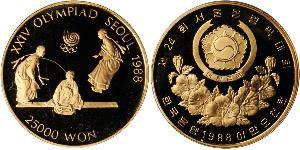
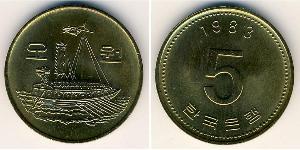
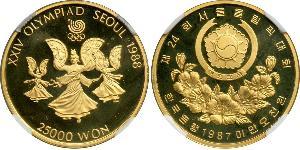
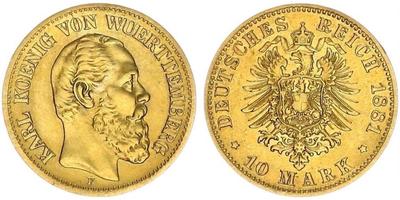
| South Korea | Link to Wikipedia |
South Korea: History, Coinage and Collectibles
Historical Background
The history of the Korean peninsula is a testament to resilience and cultural evolution spanning millennia before reaching its modern status. From ancient kingdoms like Goguryeo and Silla establishing trade networks with distant empires, through the Unified Silla period that fostered maritime commerce, this region served as a crucial bridge between East Asian civilizations. The Joseon Dynasty established rigorous economic systems based on rice taxation yet relied heavily on currency for regional exchange during peaceful periods.
The late nineteenth and early twentieth centuries brought seismic changes to the peninsula's monetary independence with Japanese colonial expansion forcing administrative restructuring that integrated Korean markets into larger trade spheres. Following liberation in 1945, the struggle to establish sovereign economic control became central to national identity. The post-war era defined itself through reconstruction efforts, leading to rapid industrialization known as an economic miracle starting from humble beginnings after the conflict of the mid-century.
This shift from agricultural reliance to manufacturing and technology exports required a stable financial infrastructure that could support global trade relations. As Seoul emerged as a commercial capital, demand for standardized currency grew alongside international recognition of the nation's sovereignty in banking sectors. Understanding these economic pressures is essential when viewing how money became not just a tool of commerce but a symbol of restored national dignity.
Currency and Coinage History
Early forms of circulation included bronze ingots used for tribute to the state, transitioning into standard cash coins similar in concept to regional Chinese varieties yet distinctively shaped with local script. During colonial occupation periods, foreign denominations circulated widely but often caused friction among merchants loyal to traditional value systems.
The establishment of independent banking structures necessitated a new monetary system that aligned with international standards while preserving cultural symbols where appropriate. The introduction of the Won as primary currency marked an attempt at full financial autonomy after decades of colonial rule and post-war instability. Inflation following conflict meant metal coins were often withdrawn from circulation in favor of paper banknotes for high-value transactions.
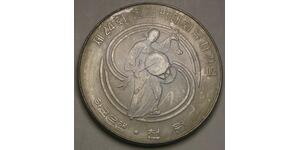
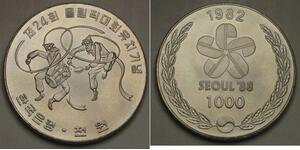
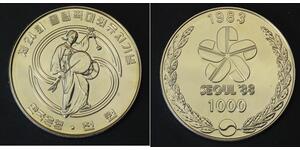
Nevertheless, collectible interest focused on silver issues introduced during economic stabilization efforts that began later than the immediate reconstruction phase. When governments sought to control spending or stimulate confidence, they commissioned limited-edition strikes using precious metals. This trend accelerated as industrial growth allowed production techniques to improve significantly throughout the twentieth century. By the late decades of the previous century and early new millennium, commemorative silver and gold pieces became more popular alongside regular circulation denominations which shifted from metal content toward token status values.
Mints and Coin Production
The infrastructure for coin production evolved to match national ambitions. Early state control over die design meant that artistic expression was often secondary to functional economy considerations until later periods when artistry became a focus of commemorative series.
- Production facilities initially utilized existing industrial equipment repurposed from pre-war and colonial eras before independent manufacturing centers were fully established under modern supervision.
- Minting traditions emphasized precision engineering needed for high-volume production required by growing international trade partners in electronics, automobiles, and shipbuilding sectors.
The artistic characteristics of the pieces often reflected a blend of traditional aesthetics with contemporary design trends observed internationally. As sovereignty solidified over decades, motifs shifted from foreign styles to indigenous cultural heritage represented on denominations meant for souvenir markets rather than daily commerce. Modern minting technology incorporated specialized engraving techniques that allowed fine detail required to showcase intricate landscape paintings and calligraphy found in the imagery.
Notable Coins
Several types stand out within this rich history due to their significance for scholars, historians, and hobbyists alike. One category includes bronze issues representing early independence efforts after conflict ended mid-century. These pieces are notable because they depict scenes of everyday life returning under new governance.
- A silver commemorative series featuring maritime figures appeared during later decades celebrating naval heroes associated with historical defense against invasion by northern fleets centuries earlier.
Another significant category includes high-value gold commemoratives released for anniversary events marking key milestones in the twentieth century. Their production runs were limited specifically to honor national achievements, and their rarity today stems from early demand exceeding supply during periods of economic boom when foreign buyers sought investment opportunities alongside cultural artifacts.
Cultural Legacy
The coinage reflects broader societal values by incorporating symbols that bridge ancient heritage with modern identity. Motifs drawn from traditional ceramics, such as dragon and phoenix imagery symbolizing royalty and peace respectively, are frequently featured on issues celebrating cultural festivals or historical anniversaries.
- Design elements often mimic the aesthetic found in calligraphy scrolls where vertical text runs down faces of some silver pieces to create visual balance typical of artistic manuscripts
This integration ensures that collecting these items supports preservation efforts for intangible heritage rather than just accumulating metal objects. By placing traditional patterns onto circulating currency or limited issues, creators maintain continuity between past craftsmanship and present economic strength.
For collectors
The collection journey through this region remains vital because each piece offers a snapshot of how trade routes changed hands over centuries while maintaining distinct cultural markers. The shift from purely commercial circulation to the rise of commemorative investment grade material allows buyers today access historical narratives usually found in museum exhibits rather than catalog books alone.
- Focus areas include early independence era denominations that survived war damage and were struck before widespread note usage dominated commerce markets globally