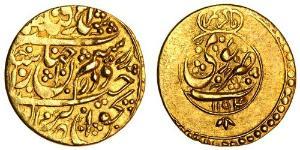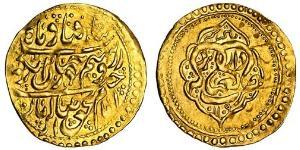

 Zand dynasty (1750-1794)

| Zand dynasty (1750-1794) | Link to Wikipedia |
The Zand Dynasty: History, Coinage and Collectibles
Welcome to our collection gallery today as we explore a period of significant artistic refinement relative to coin production during an era that sits at the crossroads of regional power struggles in eighteenth-century Persia. While often overshadowed by its successors or predecessors like the Safavids, this specific historical lineage offers distinct numismatic treasures for enthusiasts seeking high-quality silver and gold pieces from a relatively short reign.
Historical Background
To understand what lies between your fingers in metal today, one must first appreciate the landscape of Karim Khan's governance. Following the assassination of Nadir Shah Afshar, who had unified Iran but died young and was succeeded by his son Tahmasp II at a young age before retreating into power vacuums, various warlords emerged to claim territory for themselves. The Zand dynasty rose from the ashes of this confusion as Karim Khan consolidated control over Kerman and Shiraz in 1750.
Unlike many conquerors who prioritized immediate military campaigns or religious zealotry solely at the expense of economic stability, Karim Khan focused on rebuilding infrastructure. He re-established trade routes that had crumbled after years of warfare between Ottoman empires and local dynastic rivals along the Indus river valley up to modern day Iran's western border regions.
This era was marked by a resurgence in cultural patronage rather than constant military expansion, which influenced state coinage policy. As he built gardens for public enjoyment and constructed bridges across rivers within his capital of Shiraz, so too did the government seek stable monetary systems to facilitate commerce among the growing merchant class that had emerged during these calmer times.
Currency and Coinage History
Motivation drove money production as much as military might during this time. The state required coinage not just for paying soldiers, but for facilitating international trade via ports along the Persian Gulf where English and French merchants sought safe passage through the region's markets.
The Zands standardized currency systems that had previously been fragmented by warlords who minted inferior quality gold or silver to pay off their troops. The dynasty introduced a consistent weight standard, often basing its silver dirhams on earlier Persian weights rather than debasing them for immediate profit in the short term.
This stability was significant because it meant that coinage from this period is highly sought after by investors looking for quality metal content combined with historical context. While gold coins served as store of value among nobility and large traders, silver circulated widely across domestic markets where merchants relied on trusted mint marks to authenticate goods.
Mints and Coin Production
The capital of Shiras became the primary production hub for official state coinage under this lineage. Artisans in these workshops utilized high-quality copper planchets that received silver plating or were struck entirely from pure bullion supplied by royal treasuries.
Artists at these mints developed a specific calligraphic style known for intricate floral borders and bold lettering within the legends encircling obverse designs. Many of these pieces feature pomegranate motifs often symbolizing fertility or prosperity, rather than crowns which were avoided in many contexts.
Toward the end of this period, artistic techniques shifted as political pressures increased toward a centralization that would eventually be taken by Qajar successors who brought military conquest and religious orthodoxy to their coinage designs. But during this transitional Zand phase, mintmasters focused on preserving traditional Islamic calligraphy styles while avoiding direct depictions of rulers in some instances.
Notable Coins
The gold Toman coins struck under the aegis of Karim Khan represent perhaps the highest artistic peak for collectors seeking gold numismatic material. These pieces often feature detailed inscriptions referencing specific reign years or regional mint names that indicate where they were produced.
Silver Dirham pieces with heavy relief and distinctive borders are also widely collected today due to their scarcity in high grades. Many of these coins bear the inscription "Zand" which identifies them as belonging specifically to this dynasty rather than Safavid legacy issues or subsequent Qajar coinage that followed shortly after.
Finding a mintmarked piece from Shiraz during later stages is highly valued because it indicates production under direct royal oversight. These pieces often display superior craftsmanship compared to local imitations produced in smaller cities where silver content might vary significantly based on available resources.
Cultural Legacy
The legacy of this regime remains deeply embedded within national history books alongside literary giants from the same era like Hafez and Ferdowsi who flourished under their rule. Their cultural influence extended into how coins were designed; motifs often reflected a desire for peace rather than military dominance, visible in floral patterns adorning silver edges.
This reflects an administration that sought to restore order through economic prosperity as much as political power did. For modern historians and collectors alike, examining the artistry on these pieces offers insight into how culture was woven directly into financial infrastructure without relying solely upon imagery from previous dynasties like Safavids or Afshar.
For Collectors
In today's marketplace, this dynasty remains an important niche within Iranian coinage collections. The scarcity of high-quality examples is driven by the short duration of their rule compared to long-reigning predecessors which produced massive quantities that flooded markets over centuries later.
Investment in these pieces often yields returns not just from rarity but also because they represent a unique artistic bridge between late Safavid traditions and Qajar innovations. The focus on calligraphy rather than busts differentiates them significantly while maintaining the same metallic quality one expects to find when acquiring rare finds from an era that sought stability through commerce.
We encourage you to examine the craftsmanship of any piece in hand carefully, noting weight consistency which helps authenticate pieces not just by style but also by metallurgical standards. These artifacts remind us how artistry served practical needs during a turbulent time in regional history while leaving behind physical records for future generations like yourselves who continue to appreciate the beauty and historical significance inherent within metal.