| View |

 Zimbabwe (1980 - )
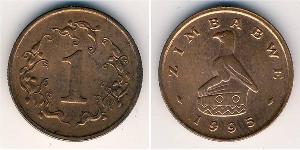
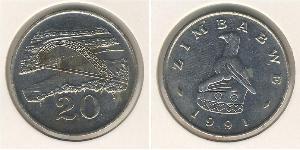
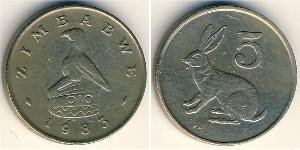
| Zimbabwe (1980 - ) | Link to Wikipedia |
Zimbabwe: History, Coinage and Collectibles
Historical Background
The story of Zimbabwe is woven into the very fabric of its landscape, beginning with one of Africa's most magnificent monuments to early urbanization. Before European contact, a sophisticated kingdom known as Great Zimbabwe dominated the region by the thirteenth century. This state was not defined merely by stone structures but by an intricate network of trade that extended across the Indian Ocean connecting local communities with merchants from India and China. The economic vitality in these ancient times relied heavily on commodities like gold, ivory, copper ore, and salt mined directly within its borders.
This rich commerce laid a foundation for future interactions between indigenous groups and European settlers. As trade routes expanded along the coast of Mozambique, local rulers controlled access to inland resources using cattle as currency and barter systems before coins were introduced centuries later. The political structure shifted over time from various chiefdoms eventually forming a unified kingdom under Matabele rule in the late nineteenth century. When British interests finally extended administration into this territory around 1890, they recognized that while stone buildings stood high above ground, there remained no standardized currency to facilitate trade on an industrial scale.
The transition from independent chiefdoms to a colonial protectorate brought economic changes aimed at resource extraction rather than local sustenance. This period of administration fundamentally altered how value was measured across the land. The economy became tied globally to British Sterling standards, which meant that while traditional cattle trade continued for rural populations, urban commerce required currency backed by Imperial gold reserves and silver content.
Currency and Coinage History
The evolution of money in this region did not begin with local minting. Instead, it followed the pattern common to many new colonies where foreign coins circulated alongside locally issued tokens or paper notes before official coinage emerged decades later. In the early days of settlement, the currency system was often a chaotic mix of Mexican dollars and Indian rupees brought into trade by ships bound for ports on Lake Malawi.
A major shift occurred when administrative oversight formalized monetary policy under local governance in partnership with British authorities. The introduction of official coinage served as a symbol of centralized power over the scattered trading centers that had previously functioned independently. Initially, this relied heavily on paper issues and foreign imports until local production could match international standards.
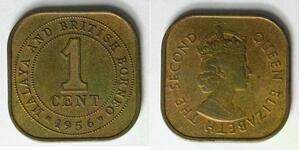
The first significant step toward self-determined minting was marked by efforts to produce locally issued currency bearing official royal cyphers before full independence arrived in 1980. For much of the colonial period, designs featured symbols like Union badges that represented administrative loyalty rather than local heritage or cultural identity.
Mints and Coin Production
Coin production took place primarily within London mints for several decades as logistical constraints made it difficult to operate heavy presses under African conditions. As technology advanced in the mid-twentieth century, capabilities improved enough that later issues featured higher quality relief work reflecting local artistic tastes rather than solely imperial motifs.
The materials used shifted over time based on global market availability and economic stability. Early coins often utilized silver content for lower denominations while larger gold pieces were reserved for commemorative or high value transactions needed in banking sectors linked to the British Empire's financial markets.
Notable Coins
The Union Badge issue of 1970s remains one of the most sought after series by serious collectors. These coins served as a bridge between colonial rule and future independence, featuring imagery that combined traditional animals like elephants or birds with official royal insignia from British sovereign authority.
- The Union Badge Series:
These pieces are significant because they capture the final era of transition where local identity began asserting itself over purely colonial symbolism. The reverse designs often displayed agricultural scenes that celebrated land use and livestock which represented wealth at this stage.
- The Independence Coinage:
Following independence in 1980, new currency was issued to mark national sovereignty. These coins featured motifs like the bird of freedom which appeared alongside mountain ranges and traditional cultural patterns that honored pre-colonial heritage.
Cultural Legacy
The coinage from this era reflects a complex relationship between culture, economy, and governance throughout history. Even before local minting existed fully established, designs influenced by surrounding artistic trends set standards for quality in relief work found on circulated coins today.
Symbols chosen for denominations were rarely random; they represented specific aspects of society such as mining or agriculture industries that provided employment during times when trade boomed across the border regions. Gold imagery referenced precious metals extracted from earth mines while agricultural motifs highlighted livestock importance which remained central to daily life and wealth measurement among local populations.
The transition in design language also documented political changes within a peaceful artistic evolution rather than violent conflict periods marked elsewhere on African continent during same general timeframe of colonial withdrawal. The careful selection of flora fauna for reverse sides demonstrates deep connection between state identity and natural environment surrounding historic trading routes established centuries ago before European maps were fully surveyed.
For Collectors
Coin collectors interested in this region will find significant historical documentation provided through these monetary artifacts. Each denomination tells story of economic relationship between colony and empire or later independence movements that reshaped local commerce systems across decades.
- Rarity:
Mintage errors from production centers are particularly prized, showing attention to detail required for any professional collection effort regardless of specific condition grade. Circulated examples offer insight into trade history since these were actual tools used by merchants.
- Historical Context:
Possession allows deeper appreciation how monetary systems function alongside cultural identity and economic strategy over time which defines numismatics globally. Collectors can appreciate artistry preserved even as metal content devalued through inflation or market fluctuations unrelated to artistic quality.