| View |
| preceded by | ||||
|
||||

|
|||||||
 First Portuguese Republic (1910 - 1926)
|
|||||||

| succeeded by | ||||
|

| First Portuguese Republic (1910 - 1926) | Link to Wikipedia |
The First Portuguese Republic: History, Coinage and Collectibles
Historical Background
In the early decades of the twentieth century, Portugal stood at a pivotal crossroads between tradition and modernity. The year 1910 marked not merely a change in government but a seismic shift in national identity as the monarchy fell to give way to the First Portuguese Republic. This transformation was rooted in centuries of imperial ambition that began to recede as global tectonics shifted. For decades, Lisbon had been governed by monarchs who styled themselves heads of both nation and empire, yet whispers of republican sentiment grew louder following the devastation of war on a grand European scale.
The transition required more than legal documents; it demanded economic reinvention. The collapse of royal rule coincided with the final withdrawal from vast overseas holdings in Asia and Africa, forcing Portugal to consolidate its domestic economy. Trade routes that once funneled spices and gold through Portuguese ports faced new competition as global powers reorganized their colonial portfolios. Consequently, the state found itself needing a robust financial system capable of supporting a modern commercial society without relying on imperial plunder.
Culturally, the era was defined by an attempt to forge unity from regional diversity using secular symbols while respecting Catholic heritage that deeply informed Portuguese life. This tension appeared in all aspects of public policy but most visibly in commerce and currency. Merchants required stability rather than royal patronage. The Republic offered a promise of peace and liberty that resonated with the small merchant class, creating an environment where trust in paper credit began to evolve into reliance on state-backed coin production.
Currency and Coinage History
The evolution of money during this period reflected the broader struggle for stability. The currency unit known as the Escudo had existed since medieval times but underwent significant standardization attempts following independence movements in former colonies that influenced domestic pricing structures. When the Republic came to power, one immediate goal was eliminating monetary symbols tied directly to royalty.
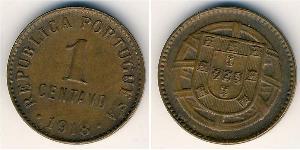
The shift involved redefining what money represented physically and symbolically on a coin’s face. Early issues sought to align Portugal with European republican standards while maintaining trade compatibility with neighbors like Spain and France who utilized similar denominations based on the gold or silver standard. This period saw an increased reliance on base metals for circulation due to economic strain, reserving precious metal strikes for commemorative purposes.
The economy during these years was heavily influenced by industrialization efforts and attempts at self-sufficiency in agriculture. However, supply chain disruptions caused by global conflict necessitated stricter controls over production volumes. Coinage became a primary tool of government messaging; each strike served as proof that the state could protect its currency reserves.
Mints and Coin Production
The national mint in Lisbon remained the heart of Portuguese coin production throughout this period, though smaller auxiliary workshops occasionally contributed during times of heightened demand. Artistic traditions here were heavily influenced by a revivalist style that sought to marry classical republican imagery with local craftsmanship.
Minting technology advanced steadily into modern electroforming techniques which allowed for greater detail in engravings compared to traditional hand-striking methods used centuries prior. Yet, the state remained cautious about spending resources on elaborate designs when budgets were tight for civil services and infrastructure projects elsewhere. This economic pragmatism is evident in many surviving examples where artistic flair yielded somewhat quickly to utilitarian durability.
The production centers operated under strict supervision to ensure quality control over metal purity and weight tolerances, essential for maintaining merchant confidence. Artistic characteristics often featured eagles replacing crowns as primary symbols of sovereignty. These design choices were intentional signals that the state had changed fundamentally while remaining connected to its maritime roots through imagery suggesting wings or ships in many denominations.
Notable Coins
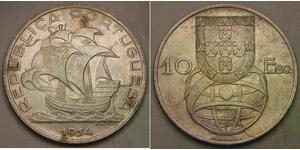
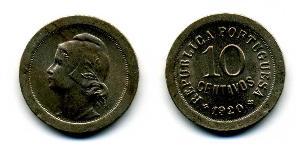
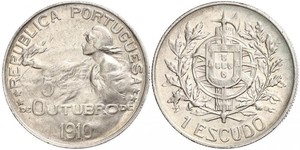
Certain issues define this period for collectors who understand their historical weight rather than catalog rarity alone. Among them, small silver denominations represent everyday commerce during the post-revolution era. These pieces were designed to replace older circulating stock quickly before being removed from circulation when economic pressures tightened reserves.
The transition series offer particular interest regarding how government authorities managed old inventory versus new strikes. In many cases, die pairs show both royal legends minted alongside republican overstrikes during the months immediately following October 1910. The obverse side often features a portrait or emblem of national unity rather than an effigy that could be politically divisive.
Larger denominations were utilized primarily for bulk government payments, colonial administration expenses within remaining territories, and settlement with international creditors who preferred silver standard coins familiar in the broader European market. Collectors can observe how design motifs shifted to reflect patriotic themes of peace rather than martial conquest associated with imperial flags seen previously.
Cultural Legacy
The legacy of this numismatic chapter lies deeply within its symbols and their enduring impact on national consciousness today. Each coin tells a story about the nation defining itself against an empire it sought to surpass without entirely abandoning tradition. The imagery chosen for coins was meant to inspire confidence in democracy while acknowledging the Christian values that remained integral to public identity.
Economic hardship necessitated simplifications, yet these simplified issues often retained artistic merit through skilled engraving of maritime motifs or agricultural themes relevant to rural populations supporting urban industrialization. By removing crowns but retaining national emblems like eagles and oak branches representing resilience in harsh climates, coin designers successfully communicated the spirit of a young republic trying to stand strong.
This period remains fascinating because it captured the exact moment Portugal attempted to become a modern nation within Europe while preserving centuries-old maritime legacy. Coins from this era serve as tangible evidence that money was always more than metal; they were messages sent across borders about who governed whom and what values prevailed in public life when old empires fell.
For Collectors
This chapter of Portuguese numismatics holds enduring value for collectors seeking historical context over simple inventory acquisition. The brief lifespan between 1910 to 1926 created natural scarcity that persists decades later in the collector market today, especially when comparing condition reports across transitional periods from monarchy to republic.
Awareness of how global economic shifts impacted mint output helps buyers appreciate provenance better than mere dates or weights. Understanding these narratives allows collectors to connect their collection to broader historical events rather than treating coins as isolated decorative items. Whether examining a silver issue representing stable trade post-revolution, those studying early Republican imagery offers insight into national pride evolving during the 20th century.
The study of this currency history encourages appreciation for how nations transition power structures while protecting financial integrity against political upheaval. For buyers seeking pieces that tell stories rather than simply fill boxes with metals and alloys, these coins represent a vital chapter in European economic evolution where artistry merged necessity during turbulent times.