| View |
| preceded by | ||||
|
||||

|
|||||||
 Islamic Emirate of Afghanistan (1996-2001)
|
|||||||

| succeeded by | ||||
|

| Islamic Emirate of Afghanistan (1996-2001) | Link to Wikipedia |
The Islamic Emirate of Afghanistan: History, Coinage and Collectibles
Welcome to this curated exploration of one of history's most storied regions through its currency. We stand before the numismatic legacy that defines an era where faith, trade, and art intersected on a singular metal surface. This article is not merely a cataloging of dates but rather a narrative journey through the cultural and monetary evolution of Afghanistan under Islamic governance. For those who appreciate history and collectibles alike, these artifacts offer a tangible connection to civilizations long past.
Historical Background
The land now known as Afghanistan has served as an eternal crossroads between East and West, acting as the gateway to India and Central Asia for centuries. Its economic destiny was inextricably linked to its strategic geography. Throughout history, this region functioned under various dynasties that adhered to Islamic law, including periods where it operated formally or informally as an Emirate.
The shift from nomadic traditions to sedentary trade necessitated a stable monetary system by the mid-19th century. As caravans of silk and spices moved along ancient routes passing through Kabul and Herat, merchants required reliable currency for transactions ranging from daily market trades to massive state expenditures.
Economic stability became the primary motivation behind governmental reforms during these Islamic states. Rulers understood that a robust economy supported by trusted coinage was essential for maintaining order in such a vast territory. Consequently, trade patterns dictated where coins were most needed. The wealth of Central Asia flowed through this region to fuel both agriculture and international commerce.
Culture played an equally vital role during these centuries. Artistic expression flourished under patronage from various courts before it eventually found its medium in coinage. Religious tolerance was balanced with state unity, influencing how symbols were chosen for public display. This cultural backdrop set the stage for a numismatic tradition that values calligraphy and geometric patterns over figurative art, reflecting deep spiritual roots.
Currency and Coinage History
The monetary landscape of this region evolved alongside its political transitions. Initially, trade relied heavily on unstandardized metal pieces brought by merchants from Persia and China. Over time, the state assumed responsibility for issuing official currency to facilitate commerce across borders.
Major periods of coin production emerged during times of stability. For collectors today, understanding these eras is crucial to appreciating design evolution. The mid-19th century saw significant reforms aimed at standardizing weight and purity in silver coins used by merchants. Later issues introduced denominations tailored for the growing cash-based economy that had developed through trade.
Coinage was also a powerful tool of government policy during these times. By issuing currency bearing specific inscriptions, rulers communicated their authority to local populations living far from the capital mint. This centralization helped integrate disparate provinces into a single economic zone, reinforcing national unity in a region historically divided by tribal lines.
The evolution continued as international influences arrived through colonial trade and diplomatic missions. The introduction of new metallurgical standards required careful adjustment on behalf of local mints to remain competitive with foreign currency flowing from Europe or India. These adjustments are what make specific periods so distinct for connoisseurs examining the weight distribution found in their collections.
Mints and Coin Production
Few places offered a better vantage point into ancient metallurgy than Afghanistan's historic minting centers. The most prominent production facilities were located near major commercial hubs, ensuring coins reached merchants quickly after striking.
- Kandahar:
- Kabul:
Technological traditions remained largely consistent across different rulers and eras. Traditional methods of striking involved hammering metal blanks between die impressions rather than modern machine presses initially adopted later in centuries. This manual labor left distinctive textures upon closer inspection under magnification, adding character to the pieces found today.
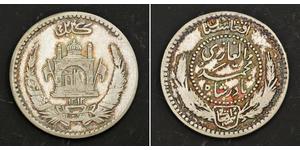
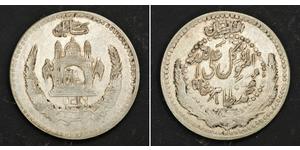
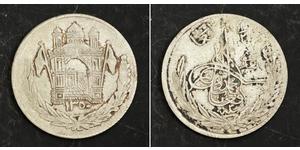
The artistic characteristics distinguishing this coinage are rooted in strict religious guidelines which prohibited human representation on currency surfaces common across many faiths during medieval times. Instead, mints focused their efforts towards intricate calligraphy and geometric star patterns representing infinity and unity.
Notable Coins
Coin collectors often seek examples from periods where the aesthetic quality was highest. Several pieces stand out as historically significant masterpieces of regional design rather than simple monetary transactions.
- The Silver Half Rial:
- The Copper Dirham:
- The Historical Rial:
Anchoring these collections are examples minted before the establishment of republican governments, where designs retained a strong continuity despite regime changes. The consistent emphasis on religious text rather than portraits remains the defining feature for numismatists interested in Islamic history globally.
Cultural Legacy
The coinage reflects much more than monetary value; it serves as an enduring testament to culture and identity within Afghanistan. Even after decades of political instability, the artistry preserved on these small discs allows us to visualize a peaceful era when cultural exchange thrived along ancient trade corridors.
Different scripts used in Arabic calligraphy across various periods illustrate regional literacy levels before modern education systems became widespread throughout all regions during latter days. The beauty found within geometric patterns speaks volumes about the philosophical traditions prevalent among artisans working at these mints historically speaking regarding art creation rules established by religious scholars who supervised production.
Furthermore, symbols such as mountains and mosques subtly appear in artistic renderings where permitted under cultural norms of those times. These designs were not mere decoration; they represented spiritual protection over daily economic life for common citizens working with these metallic objects throughout their markets every single day during years gone by before photography arrived.
For Collectors
Afghan Islamic era coins offer a unique gateway to understanding regional history through metal. For those who specialize in this area, they provide an opportunity to own pieces from ancient mints that operated across centuries with few interruptions during specific historical eras before later conflicts intervened.
The importance lies not only in the rarity of individual dates but also in their connection to a civilization rich in history and art. Completing a set requires patience given how often these were circulated into neighboring economies, where they might be found today among international archives rather than national repositories back home due to war or migration.
This focus on historical significance allows buyers to support the preservation of cultural heritage through their personal collections as well as by helping scholars understand economic flows in South Asia and Central Asia historically. Every coin tells a story of trade, faith, and craftsmanship that remains undisturbed despite passing years since these metals left mints thousands upon thousands before us.