| View |

 Guinea-Bissau (1974 - )
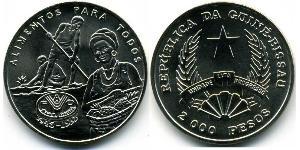
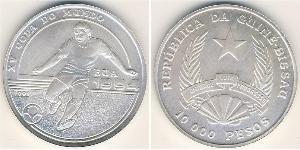
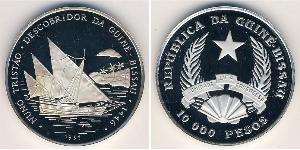
| Guinea-Bissau (1974 - ) | Link to Wikipedia |
Guinea-Bissau: History, Coinage and Collectibles
Historical Background
Welcome to our exploration of a nation forged in resilience and rich with tradition. To understand the monetary artifacts from Guinea-Bissau, one must first walk through the corridors of its history. The territory originally settled by European explorers was a Portuguese outpost known historically as Bissau-Guiné or Portoguaçu. It represents an arc across time: starting as a coastal point for maritime trade in slaves and ivory during the sixteenth century, evolving into a colony defined largely by cashew nut production.
The late colonial period set the stage for a dramatic shift in power dynamics following the global decolonization movements of the mid-twentieth century. By 1973, an armed struggle had erupted to secure autonomy from Lisbon. The African Party for the Independence of Guinea and Cape Verde led these efforts until peace was eventually restored through diplomatic negotiations.
The country officially gained independence in September 1975, a pivotal moment that immediately reshaped its economic outlook. A new nation could not simply adopt old imperialist designs; it required currency that reflected sovereign identity rather than colonial rule. This historical narrative is deeply embedded within the coinage found on auction houses worldwide today.
Currency and Coinage History
The monetary history of Guinea-Bissau tells a story of transition from Portuguese Escudo to national independence, though it was complicated by regional financial shifts in West Africa. For decades following liberation, the nation attempted to mint its own currency, maintaining nominal value links but establishing distinct sovereignty.
- The Transition: The immediate post-independence period saw a struggle for economic stability as new nations across Europe and Africa sought their own monetary identities. Initially, coins were struck by the central mint in Lisbon or Portuguese facilities before operations moved to local hands where feasible.
However, the economics of survival often dictated material choices. Guinea-Bissau's coinage was deeply affected by inflationary pressures common across developing nations during this era. As global oil shocks and regional instability impacted agricultural exports—cashews being a primary commodity—the value of metal needed to fluctuate alongside national economic conditions.
- Economic Constraints: The shift from copper alloys in the 1980s and 90s toward aluminium or stainless steel was not merely technical; it was an adaptation to resource scarcity. This is a significant story for collectors focusing on the evolution of numismatic production techniques.
Mints and Coin Production
Unlike larger industrial economies that boast elaborate minting complexes, Guinea-Bissau operated with limited infrastructure during its formative years. The primary center for coinage was historically tied to Portuguese operations in Portugal before the nation gained full control of production capabilities.
- Artistic Simplicity: Due to these limitations and a need for rapid economic turnover, designs were often utilitarian. This is evident in coins that lack elaborate relief features or complex multi-metal constructions found elsewhere. The focus was on durability rather than aesthetic luxury.
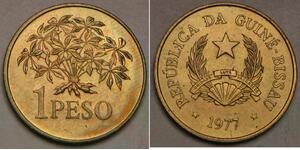
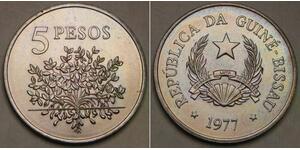
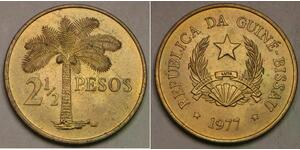
The artistic style reflects the influence of neighboring West African currency trends while establishing distinct national characteristics. Stars representing unity and representations of local flora were standard iconography for a region striving to define itself away from European colonial heritage.
Notable Coins
Focusing on collector interests, several categories stand out as significant milestones in the history of West African coinage:
- The Independence Commemoratives (1974-1980): The most historically profound pieces are those released to mark liberation. Often struck for specific anniversaries or political milestones, these coins frequently carry dates from the 1950s up until independence in 1975. They depict scenes of national unity and feature portraits of key historical figures associated with the fight for freedom.
- The Low-Value Aluminium Issues (Late 20th Century): As the economy struggled, low-denomination coins were issued using lightweight aluminium to save on costs. These are often sought after not because they are expensive in metal value but as indicators of specific economic downturns or IMF stabilization periods.
- The Commemorative Set for Independence (20th Centenary): Celebrations involving significant dates typically warrant new designs, adding a layer to the collection. These sets highlight indigenous culture and national symbols rather than continuing old colonial imagery.
Careful inspection of these pieces reveals how government priorities were encoded in metal thickness and relief height—a silent testament to state budget decisions made decades ago.
Cultural Legacy
The coinage from Guinea-Bissau serves as a portable archive of the nation's soul. When we look at the obverse or reverse, what do we see? We typically find the national palm tree—the baobab and other indigenous species are often featured on banknotes and coins alike to represent resilience in harsh conditions.
The shift away from Portuguese emblems like crowns or shields was a clear declaration of independence. This process is similar across West Africa but has unique flavor here due to the specific history of Guinea-Bissau's struggle for sovereignty through armed conflict rather than just diplomatic withdrawal.
- Symbols of Nature: The use of local bird species and flora connects the currency directly to the environment. This is a vital cultural marker distinguishing these coins from other African issues that might rely on generic lions or eagles not native to the region.
The history engraved here also pays homage to agricultural roots. Given the heavy reliance on agriculture, coin designs sometimes feature imagery related to harvests and labor, reflecting the population's livelihood rather than industrial wealth which has been elusive in recent decades.
For Collectors
In conclusion, Guinea-Bissau offers a fascinating case study for those collecting African monetary history. The significance lies not merely in rarity—scarcity is often driven by loss and economic collapse rather than intentional mintage errors—but in the narrative of independence.
- The Independence Struggle: For collectors focusing on political coinage, these pieces bridge a specific historical era. They capture the transition from empire to statehood during a period when African nations were actively defining themselves culturally and economically against colonial legacies.
Economic volatility often makes finding examples in mint condition difficult, adding an element of discovery that is rare for older European series but common in many developing regions. Completing a collection from Guinea-Bissau offers more than the satisfaction of acquiring silver or bronze; it involves preserving memories of history's struggles and triumphs.
- Rarity Defined: While high-grade examples are harder to come by due to circulation demands, early issues remain highly sought after. Each coin holds a story about the nation building its identity through metal currency in times of change.
As we close this chapter on Guinea-Bissau's monetary history, remember that every coin is a tiny vessel containing pieces of heritage from an African country striving to thrive amidst global and regional economic tides. Collectors who acquire these items contribute to preserving the memory of independence while celebrating national resilience through tangible art.