| View |
| preceded by | |
|
|||||||
 Commonwealth of England (1649-1660)
|
|||||||

| succeeded by | ||||
|

| Commonwealth of England (1649-1660) | Link to Wikipedia |
Commonwealth of England: History, Coinage and Collectibles
Historical Background
The English Commonwealth marked one of the most turbulent and transformative chapters in national history between 1649 and 1653. This era emerged from a violent succession of events following the execution of King Charles I, fundamentally altering the relationship between state and subject. For numismatists and historians alike, this period represents a unique intersection where political philosophy directly influenced monetary systems.
The collapse of the monarchy was not merely symbolic; it required an immediate restructuring of commerce and finance to fund ongoing conflicts with European neighbors during war-torn times. Trade remained vital as London sought stability amidst internal strife. The Puritan ideology that gained prominence during this time advocated for a stark simplicity, which occasionally seeped into visual arts but more profoundly impacted the economy by demanding liquid capital over precious reserves.
Economic hardship defined these years due to trade blockades and domestic instability. The nation needed credit to survive without access to foreign loans or stable royal taxation. Consequently, money supply management became a matter of national survival rather than tradition. This pressure forced coin manufacturers out of their usual patterns, leading us into the specific numismatic challenges unique to this regime.
Currency and Coinage History
The evolution of currency during the Commonwealth was driven by necessity more than artistic ambition. The English mint had been operating for centuries under royal warrant; however, when that authority vanished in 1649, the machinery at the Tower Mint required a new legal mandate to strike coin.
To combat scarcity and inflation caused by war-time spending, authorities issued small copper farthings extensively because silver reserves were depleted. These minor coins became essential for daily transactions between London merchants while high-denomination pieces continued to circulate as bullion or foreign exchange standards rather than change in domestic markets.
This period demonstrated the resilience of British currency design during political instability. While European nations often debased their coinage with visible impurities, English mints maintained strict purity for silver tokens used for international trade protectionism against rivals like France and Spain. This dual strategy—cheap copper at home while maintaining sterling value abroad—is a cornerstone story in this chapter.
Mints and Coin Production
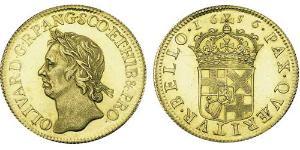
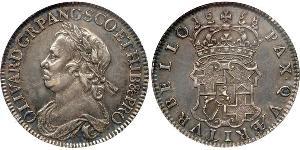
The Tower Mint remained the primary production center despite political upheaval, continuing to operate under parliamentary control rather than royal authority. Artistic characteristics during these years distinguished coinage as they abandoned traditional crowned busts for plain heads or specific republican imagery.
This change was deliberate and significant within collector circles. The removal of regal symbols reflected the abolition of the House of Lords and Parliament's rejection of divine right monarchy on paper money and metal tokens alike. Production technologies remained advanced by modern standards, utilizing screw presses that allowed for precise detailing even with complex profiles.
The mintmasters worked under tight supervision to ensure weight consistency despite material shortages. Their work ensured these coins would pass customs checks abroad without question of purity or value. This rigorous production environment set a high bar for quality among the limited issues surviving today, ensuring they command respect in auctions regardless of their age.
Notable Coins
Certain types stand out due to historical context and design uniqueness rather than market price alone:
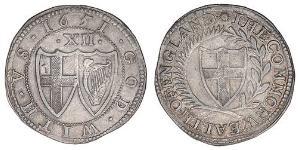
- The Half Crown bearing a bare head profile became highly sought after because it represented the transition period before full republican iconography. These coins were struck in great demand by merchants needing standard weights for continental trade.
- Copper Farthings minted under this regime featured specific legends and profiles that varied wildly, making them interesting study subjects for specialists of English copper issues from the mid-seventeenth century onwards.
- Silver Crowns from the later years often display distinctive designs where oak leaves symbolized strength and endurance during times when the country faced existential threats at sea and on land together
- The Oak Tree shield motifs seen on some of these pieces emphasized defense against foreign powers, aligning visual currency with naval strategy.
- In terms of design features specifically notable to collectors are those that retain fine detail despite the rushed wartime production environment. The high relief and sharp lettering found in preserved examples distinguish genuine specimens from later counterfeits produced during periods when such history was less well known
- This historical authenticity provides a unique insight into how art served as propaganda for political survival.
Cultural Legacy
The cultural imprint left by these coins is substantial when viewed as historical documents of national identity. Symbols chosen for circulation—such as the oak tree or specific naval anchors reflected upon milled edges were designed to foster loyalty without a king.
This regime demonstrated that currency could evolve rapidly within decades to match changing societal values while maintaining public trust through strict metallurgical standards. The coins survive today not because they are beautiful works of art, but because they served as proof that the new government had succeeded in funding its operations effectively enough
For collectors
This era remains important to numismatists worldwide due to rarity and historical significance.
- Collecting these pieces offers access to a narrative unique to Western history, documenting the shift from monarchy through civil war without comparable equivalents elsewhere in Europe during this specific timeframe of transition.
- Rare surviving examples offer tangible links to pivotal moments that shaped modern governance and constitutional law across English-speaking regions globally.
- The preservation condition is paramount because silver quality remained high for international trade, making even worn pieces attractive for their integrity. This distinction between domestic scarcity and export excellence provides a fascinating economic story within the metal itself
In summary, these artifacts invite contemplation on how money survives political change while reflecting its values.