| View |
| preceded by | ||||
|
||||

|
|||||||
 French First Republic (1792-1804)
|
|||||||

| succeeded by | ||||
|

| French First Republic (1792-1804) | Link to Wikipedia |
French First Republic: History, Coinage and Collectibles
Welcome to Hobbyray.com. As your curator for historical numismatics, I invite you to explore one of the most transformative eras in modern monetary history, that which followed the fall of absolutism and ushered in a new order of liberty through metal and stone alike.
Historical Background
The events of 1789 shook Europe from its foundations. In France, centuries of monarchy were dismantled under pressure from revolutionaries who sought to establish the rights of citizens over subjects. This radical shift did not merely change the political landscape; it fundamentally altered economic structures and daily commerce. Trade networks that once spanned vast empires faced disruption due to internal instability and foreign intervention. As war with European powers began, France needed a unified currency system to fund military campaigns and stabilize a fractured economy.
The transition from feudalism meant the end of arbitrary levies replaced by taxes based on commercial principles. This economic upheaval created an environment where trust in metal money became paramount for survival. Before 1793, merchants used mixed currencies including livres sols deniers alongside foreign specie like Spanish dollars and piastres that circulated widely despite royal prohibition.
The establishment of the Republic demanded symbols that matched its new philosophy of equality under law. Coinage was no longer just a tool for trade but an instrument of political identity. The challenge lay in creating money that reflected a nation rebuilding itself amidst invasion, famine, and civil strife. These coins would carry the weight of history on their faces.
Currency and Coinage History
The evolution of French currency during this period is characterized by rapid reform driven by necessity rather than tradition. Early Revolutionary efforts attempted to abolish traditional denominations in favor of a decimal system modeled after American innovations, though full stabilization took years.
In the early days, paper money called assignats was issued but suffered from hyperinflation due to political overprinting and lack of backing. The government eventually realized that metal coinage restored confidence in commerce. Copper became essential for daily transactions like wages or food purchases by laborers who could not utilize large denominations.
Silver coins entered circulation later, reflecting a return to stability after years of inflationary chaos. This period marks the transition from feudal tokens toward modern currency standards that would eventually influence global finance. The introduction of standard weights and measures alongside decimal coinage streamlined commerce for international traders navigating French ports during turbulent times.
Mints and Coin Production
The primary minting operations concentrated in Paris, though other centers like Lyon contributed sporadic output as local needs required them to produce coins. Mint facilities were often understaffed due to the loss of artisans fleeing political purges or joining foreign service.
Techological methods remained relatively traditional but evolved with artistic ambition. While dies showed signs of hurried production, certain pieces reveal careful craftsmanship by artists who sought to honor Liberty without compromising aesthetic quality during wartime austerity measures.
The minting process often reflected the shifting political tides. A change in administration could mean a redesign overnight. For instance, when new leaders took office following coups or elections across Europe and within France, coin designs changed quickly. This led to variations that collectors find fascinating today: slight shifts in die orientation, subtle alterations in facial features of allegorical figures.
Notable Coins
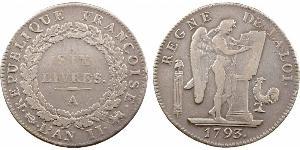
The most sought-after items from this era are usually the early copper pieces struck between 1793 and 1796. These small coins depict allegories such as Commerce or Industry, often shown with a Phrygian cap symbolizing freedom.
- Copper Denominations:
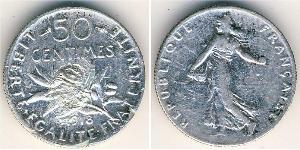
- Silver Francs (1795-1803): Minted during later years, these bear portraits or busts representing Liberty. They are highly prized due to their connection with revolutionary history just before Napoleon consolidated power
- The "Thermidor" Pieces: Named after the French calendar month following Reign of Terror period (1794), showing a move away from radical imagery toward more sober Republican symbols.
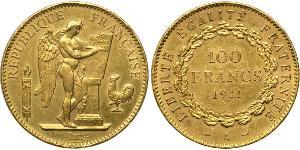
Another important category involves gold pieces used by military personnel stationed in France during wartime. These were sometimes minted locally but bore national emblems that unified soldiers across different ranks and regions under one Republic ideal regardless of class or origin.
Cultural Legacy
The coinage from the First Republic acts as a physical witness to profound societal changes, marking how art was used by state power during times when aesthetics were often secondary to utility. Even then, artists crafted imagery that conveyed messages about citizenship and duty rather than royal lineage.
Symbols like the Liberty cap replaced crowns or halos found on previous coins. The figure of a woman representing France stands alongside industry motifs or allegorical hands holding scales for justice. These visual elements reflect cultural values such as liberty, equality before law that continue to influence national identity centuries later
For Collectors
In our Hobbyray collection catalog today, these historical pieces remain important because they bridge the gap between ancient traditions and modern monetary systems.
- Rarity Due to War:
- Symbolic Value:
- Condition Sensitivity:
We hope this exploration highlights how small metal slivers encapsulate vast human history and inspire future generations of enthusiasts who study not merely dates but the spirit behind each design. Whether studying copper specimens or silver standards, these coins remain vital pieces that define our understanding of French political evolution.