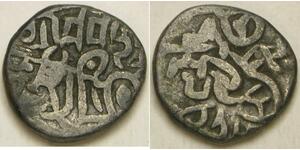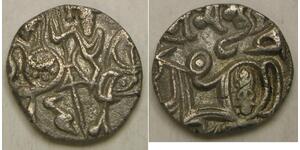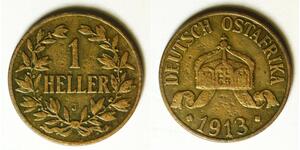


 British East India Company (1757-1858)


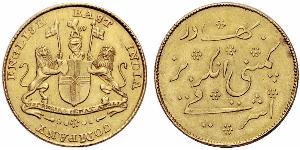
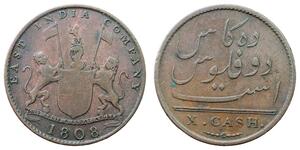
Welcome to this curated exploration of a unique entity that shaped the economic landscape of an entire subcontinent before it became part of the Crown. Often referred to as a nation in spirit if not always by constitution, the British East India Company stands at the intersection of commercial enterprise and statecraft. Its history is best understood through its physical legacy: the coins minted during centuries of trade expansion that bridged two continents.
Historical Background
The story begins in London where merchants sought a new route to Asian wealth, eventually finding a foothold on Indian shores rather than just along the Silk Road. By establishing factories and trading posts, this entity transformed from simple traders into rulers of Bengal, Bihar, and parts of Bombay before the mid-nineteenth century. This expansion was driven by an insatiable desire for cotton textiles and spices that required robust capital backing.
The economic weight of these early operations shifted rapidly in a short time span. The Company did not just buy goods; it collected taxes on behalf of local rulers who were often indebted to their new commercial overlords. This fiscal responsibility necessitated the creation of currency, effectively turning trade centers like Calcutta and Madras into financial capitals long before they became administrative ones.
The cultural landscape shifted as well. As traders married wealth with power, a cosmopolitan society emerged where Western engineering coexisted with Eastern philosophy in the bustling cities controlled by this enterprise. The transition from company to crown was gradual but definitive following the upheavals of 1857, yet many coins minted during these early private years remained in circulation long after independence arrived elsewhere.
Currency and Coinage History
In the world of numismatics, currency is often a barometer for stability. The transition from purely silver trade bullion to coined money allowed commerce to thrive without constant physical exchange of heavy ingots. Early issues were minted using established Indian weights that recognized local traditions while asserting new authority.
The evolution here mirrored the rise and fall of empires before them. It began with gold mohurs where imagery shifted from Persian calligraphy to European portraits, signifying a shift in sovereignty even as traditional metal content remained constant. Silver annas were used for daily wages within growing trading ports, effectively acting as proto-national currency.
Circulation and Reform:
- The Company initially utilized existing local silver to establish confidence before minting its own denominations.
- Late periods saw heavy regulation of gold content due to changing global prices, affecting the intrinsic value collectors prize today.
Mints and Coin Production
The production centers varied widely across the subcontinent. The most significant operations occurred within major presidencies in Madras, Bombay, and Calcutta (Kolkata). Each location brought its own artistic influence to a coin die that carried specific mint marks distinguishing them for later buyers.
Minting technology was not entirely new; it relied on established hydraulic presses adapted from local artisans who had mastered metalworking techniques centuries prior. The aesthetic quality of the dies often reflected the tastes of European Directors in London while adhering to Indian standards regarding weight and purity that facilitated cross-border trade with Persia or China.
Coinage production also changed over time as central authority tightened control on financial instruments issued within these borders. Artistic characteristics were not merely decorative; they served diplomatic purposes, signaling alliances with local princes who placed their own symbols alongside the Company's emblem to assert a form of dual sovereignty in coin design.
Notable Coins
Among collectors today, several specific issues from this era command significant attention due to historical significance. One example is the pattern pieces for Queen Victoria produced before full Crown jurisdiction was assumed entirely over these mints.
The Bengal Presidency Rupee: This silver piece featured obverse portraits that transitioned through various governors and monarchs, carrying a distinct style of engraving. The reverse side often included the legend in Persian script alongside English lettering, symbolizing the cultural bridge maintained by these traders.The Hyderabad Nizam Coin:
Issued during periods where Company troops stationed at strategic points were paid directly from local sources using silver denominations. These are prized for their dual symbolism representing both British military might and Indian artistic sensibilities in a single alloy.A Rare Copper Half-Arrah:
Often used as token money, these copper pieces carry the mark of Company mints before they were nationalized. The condition of such tokens is vital to collectors interested in daily life within trading forts rather than just military conquests.
- Cultural Context:
The coins served as portable history, encapsulating the political shifts between London and Delhi. They tell a story of integration where local artisans worked alongside imported dies to produce currency that facilitated trade across oceans while bearing symbols from two distinct civilizations.
Cultural Legacy
To hold one of these pieces is to possess a fragment of history, not just a shiny object for display. The designs speak volumes about who ruled whom and how power was visualized through art. Religious figures appeared alongside classical laurels, creating syncretic imagery that remains unique in world currency.
For Collectors
The historical significance of this entity's coinage lies in the transition period between private trade enterprise and state authority. These coins serve as numismatic evidence regarding how economic systems expanded under corporate banners before modern national banks emerged elsewhere in history.
- Rareness:
Samples from early presidencies are scarce, often found only through auction provenance rather than bank vaults. The condition of a die is paramount when determining authenticity.
Luckily for collectors, many pieces retain original toning that speaks to over centuries in soil or water before they were unearthed during urban renewal projects near old trading ports.In summary, the legacy offered by these historical issuers provides a rich context for understanding global trade. Whether analyzing calligraphy on silver discs or comparing weights of copper tokens, every specimen offers insight into the mechanics of an era where commerce dictated politics as much as war did.