| View |
| preceded by | |
|
|||||||
 British West Africa (1780 - 1960)
|
|||||||

| succeeded by |
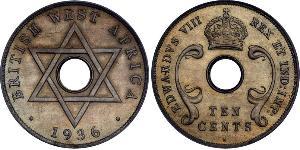
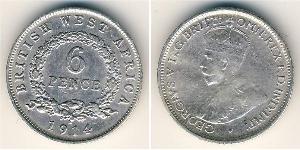
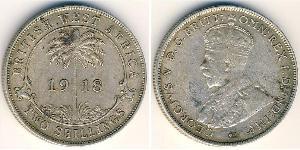
| British West Africa (1780 - 1960) | Link to Wikipedia |
British West Africa: History, Coinage and Collectibles
The legacy of British West Africa is woven into the very fabric of a vast region spanning from Sierra Leone to Ghana, Nigeria, Gambia, and beyond. Before this territory gained independence or merged with new nation-states, it existed as a unique colonial administrative grouping that shared borders yet possessed distinct local cultures. For those who study history through numismatics, British West Africa offers a fascinating glimpse into the transition of power from traditional empires to modern economic entities. The coinage produced during these years stands not merely as currency for daily commerce but as tangible artifacts reflecting the shifting tides of imperial administration and cultural identity.
Historical Background
The historical narrative begins long before the first coins were minted, rooted in ancient trade networks that linked West African coastlines to the Mediterranean and Indian Ocean. For centuries, local kingdoms engaged in commerce utilizing cowrie shells, gold dust, and barter goods like kola nuts and palm oil. The British presence evolved from trading forts into administrative control over territories known as protectorates before they became colonies formally organized under a Crown Colony framework around 1902. This centralization was significant for monetary systems because it necessitated the unification of disparate local economies.
The economic heartland lay in bustling port cities like Lagos and Accra, which served as hubs connecting regional markets to global shipping routes involving cocoa, rubber, and tin ore exports. As trade volumes grew, so did the demand for a standardized medium of exchange that could compete with currencies from neighboring regions or European imports. The administration sought stability through monetary reform, often pegging local currency value against British Sterling. This historical shift transformed scattered indigenous trading zones into integrated markets where coins circulated across borders. The political integration meant that coin designs began to standardize, moving away from purely local symbols toward broader imperial iconography while still retaining distinct regional minting characteristics.
Currency and Coinage History
The evolution of money in this region represents a clear trajectory from indigenous value systems to the modern fiat standards that emerged upon independence. Early British colonial issues largely utilized silver coinage, continuing traditions established by previous European powers who had traded along these coastlines using similar metal denominations. The introduction of shillings and florins marked the era when trade became industrialized rather than purely subsistence-based.
A pivotal moment in numismatic history for this region was the establishment of a central currency board, which effectively standardized value across protectorates like the Gold Coast (modern-day Ghana) and Southern Nigeria. This reform meant that while coin designs might differ slightly—such as distinct mint marks or denominations—the underlying economic stability relied on strict silver parity before the world wars disrupted metal standards significantly. Throughout this period, coins were primarily imported from London, India, or Canada in larger quantities to meet wartime shortages of domestic bullion supply. These issues often bore overprints indicating specific colonial territories and their intended circulation zones.
The transition away from precious metals was a global trend during the mid-twentieth century due to inflationary pressures on silver prices. Collectors witnessing this era see how coins minted in aluminum or cupro-nickel were issued alongside traditional silvers, signaling a modernization of trade but also an end for older collectors seeking pre-war standards.
Mints and Coin Production
The primary locus of coin production initially remained the Royal Mint London. However, logistical necessities led to contracts with mints in India and Canada during times when British domestic capacity was strained by global conflict. These foreign facilities would strike coins specifically for West African colonial territories using imperial dies that were often modified slightly for local distribution needs.
A significant development occurred when a mint facility opened directly within the Gold Coast region of Accra during 1935, establishing the first regional production center under direct control. This shift was vital because it allowed coinage to reflect localized artistic nuances and reduced import costs significantly. The Accra Mint produced denominations that were heavily circulated throughout Southern Nigeria and Sierra Leone due to their proximity and integrated trade networks.
The coins from this era display a range of technological characteristics typical of the interwar period, including fine detailing on obverses featuring royal portraits and simpler but durable designs for reverses. The craftsmanship reflects standard Commonwealth minting quality standards rather than indigenous production techniques, distinguishing these issues from earlier pre-colonial artifacts.
Notable Coins
Certain types hold a special place in the hearts of collectors who value historical context over pure market rarity. One such example is the silver shilling struck under King George V during 1935, featuring both standard imperial obverses and localized reverse designs indicating specific protectorate status.
- The Silver Florin: These high-denomination pieces represent a major era of pre-war trade. They serve as witnesses to the economic stability prior to the disruptions of conflict
- Cupro-Nickel Shillings: Issued from 1950s onward, these coins mark the transition toward base metal usage in response to global market pressures while maintaining imperial designs.
- The West African One Dollar Coin: Often overprinted with local denominations like cents or shilling equivalents. These pieces were frequently used for internal administration of value against British pounds, marking a step forward in monetary autonomy even before full independence was granted
- Crown Jubilee Issues: Occasionally issued to mark significant royal anniversaries. While many are common varieties today due to mass production at the Accra facility during celebratory years.
Each coin mentioned above holds historical weight beyond simple visual design, connecting directly to specific trade eras and geopolitical shifts that shaped modern West African economies.
Cultural Legacy
The numismatic history of British West Africa mirrors broader cultural changes visible on every circulating piece. For decades, portraits remained unchanged as representations of imperial authority until very near independence in the early 1960s when local nations began issuing their own coins depicting indigenous faces and wildlife.
Even during the colonial period, subtle variations were introduced to accommodate diverse populations within a single coinage system, sometimes featuring symbols related to agriculture or religion relevant to major trading centers. These visual elements reflect an economy deeply intertwined with global markets while preserving local identity through trade goods and currency designs printed for regional distribution.
For collectors
Treasures from the British West Africa period remain highly desirable among numismatic circles because they capture a moment where traditional empires transitioned to independent republics. Collectors are drawn not just by rarity but by storytelling potential inherent in every piece held, whether it is an early silver coin minted under London control or a base metal issue produced locally.
The condition of these coins often varies significantly since circulation patterns were heavy and trade volumes massive along coastal shipping routes and railway lines connecting hinterlands to ports. While some pieces are rare due to wartime destruction or loss in economic turmoil, many common issues survive in high grades for enthusiasts seeking affordable entry points into regional history.
Possession of a coin from this era allows one to hold a physical piece of administrative evolution spanning the early 20th century through mid-century decolonization. It is recommended that collectors research specific mint marks, as production centers varied significantly between territories under direct British administration versus indirect protectorates before independence.
Overall, these coins provide invaluable context into how colonial trade and economic unity functioned within a culturally diverse region. They remind us today of the interconnectedness of history through commerce itself preserved in metal, offering enduring value for enthusiasts appreciative both heritage and artistic legacy.