| Ver |
| precedido por | |
|
|||||||
 África Occidental Británica (1780 - 1960)
|
|||||||

| sucedido por |
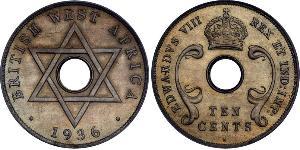
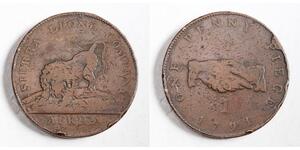
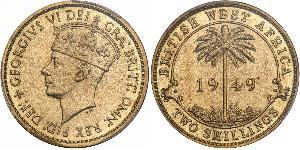
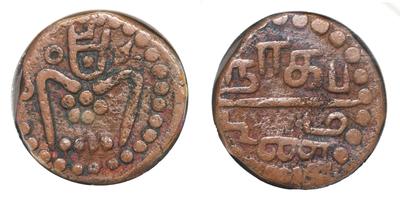
| África Occidental Británica (1780 - 1960) | Enlace a Wikipedia |
África Occidental Británica: Historia, Monedas y Coleccionismo
In the realm of numismatics and colonial history, no entity offers a narrative as captivating or as complex as British West Africa (AWA). To understand this historical construct is to explore an experiment in administrative unity that transcended modern borders. For those who study currency with a passion for history, AWA represents not merely a collection of stamps from Sierra Leone, Ghana, Nigeria and Gambia; it signifies a brief but intense era where disparate territories were bound by a single economic vision under the Crown.
The origins of this monetary union lie in the geopolitical shifts that occurred during the mid-nineteenth century. Initially established as distinct possessions—primarily for strategic naval control rather than purely commercial exploitation—the regions known today simply coexisted until they formed what became known as British West Africa (AWA). It is crucial to distinguish between the concept of a unified state and its monetary reality: while there was no single national government in the way we define modern nations, there existed a profound financial integration designed for stability. This economic interdependence gave rise to one of the most fascinating chapters in African colonial currency.
Contexto Histórico
The story begins not with a unified administration but rather with the creation and dissolution phases that characterized British imperial governance along this coast. Historians have divided these periods into distinct phases, particularly focusing on two main unification attempts: one initiated in 1864 which ultimately lasted until 1900/1903 (with some variations), followed by a second phase extending well into the early twentieth century.
The initial administrative unity of AWA began as a response to economic necessity and military logistics. The British Crown sought efficiency in administering coastal territories, leading to what was known variously as W.A.C.R.O., W.E.I.A or even just "British West Africa." However, the political landscape remained fluid; independence movements gained momentum at different times throughout this period—Ghana (Gold Coast) becoming independent first and serving as a model for others. By the late 1950s to early 1960s, each territory sought autonomy from London before forming their own separate nation-states.
The transition marked not an end of connection but rather the final severance that led to independence—this happened in stages: Nigeria gained sovereignty in October 1960; Sierra Leone followed later by March (autonomous status) and finally became independent on April of same year, then Ghana also achieved full autonomy before becoming republic. In contrast Gambia took longer due its small size, gaining freedom only after September.
This complex history influenced the way currencies were issued: each colony minted coins bearing their own names yet adhering to a single standard—the West African Cedi (W.A.F.I.C.), later known as the shilling in different contexts or pound sterling. This system remained remarkably consistent for nearly two centuries until national independence necessitated new mints with local designs and currencies.
Historia de la Moneda y la Circulación Monetaria
To understand AWA's monetary history is to witness a living experiment in economic unification. Initially, when the regions remained separate under their own colonial administrations—like Sierra Leone or Gold Coast—they had distinct coins and paper currency standards tied solely to London markets. This situation changed significantly after 1907: at this crucial moment came W.A.F.I.C (West Africa Federation of Independent Currency) which replaced previous systems entirely.
The most defining reform occurred in April 1864 when a unified standard was adopted based on the Gold Coast's monetary value. This system remained largely unchanged until November 1903, when major changes affected Sierra Leone specifically before eventually leading back to original conditions again by early 20th century.
The second unification phase started in September (specifically year) and extended through most of the interwar period—until WWII disrupted trade. However even then currency circulated across borders; traders from Lagos would buy goods with Ghanaian stamps while traveling northwards into what became Nigeria proper later on independence day itself.
The transition ended only when nationalization occurred in October 1960—for Sierra Leone it was slightly earlier (April) than that date, though all regions had already begun minting separate currencies under their own names after gaining full sovereignty rights granted by London authorities previously years back before final breakaway from imperial rule altogether.
Cecas y Producción Monetaria
The numismatic landscape of AWA is shaped primarily through the work done at Freetown Mint located near modern-day Sierra Leone capital city today—though originally known as “Freetown” before independence renamed later. This facility played pivotal role in creating early silver coins that were circulated throughout British West Africa region.
Freetown mint was responsible for producing various denominations including half-pence up to sovereigns during earlier decades of operation—from 1806 onwards it produced many classic designs featuring Queen Victoria portraits, later transitioning into King George V then Edward VIII reign periods. It also issued copper alloy pieces designed for use in rural markets across West African hinterlands far beyond coastal towns themselves.
In contrast other mints operated elsewhere globally—such as India—for supplying larger amounts needed by colonial administration needs due local minting limitations or shortages locally available materials required production overseas instead of relying exclusively on domestic resources alone. Thus many coins attributed to "British West Africa" actually bear marks indicating they were struck in Bombay (Mumbai) or Calcutta locations under royal oversight.
The artistic quality reflected British design sensibilities with classical themes—such as Liberty statues, maritime motifs—and heraldic symbols representing the territories themselves. These designs served both practical purposes: identification and cultural representation—but also fulfilled aesthetic ideals that resonated deeply among collectors even decades after independence when old coins remained prized possessions.
Monedas Destacadas
The early period from 1806 through late Victorian era produced some of most sought-after pieces. These include copper half-pence and shillings struck primarily at Freetown with striking styles often influenced by contemporary British art but adapted for practical usage in tropical climates.
A particularly notable series emerged between 1934-1950 which introduced more intricate designs reflecting regional identity while still maintaining strict adherence to imperial iconography (such as royal cyphers). Coins issued during this era often feature detailed landscapes from each territory—like palm trees or coastal scenes—which distinguish them clearly today even when worn.
The shift towards paper currency represented another milestone: banknotes printed locally but backed by London authorities. Early notes carried portraits of reigning monarchs while later issues included indigenous figures or agricultural themes emphasizing development efforts made within region prior independence struggles began happening across continent at large during same era.
Legado Cultural
The legacy of AWA's currency systems is deeply intertwined with cultural identity formation. The transition from British stamps (with Queen Victoria portraits) to local faces on notes was symbolic: it represented the shift from colonial rule toward independence where national leaders would appear alongside traditional symbols like animals representing each region specifically.
This numismatic legacy also preserved trade memories—how farmers, merchants traveled between borders trading goods using shared currency units despite lacking political union. Modern African economies reflect continuity of these systems even today; some denominations or design elements survive in various forms on modern banknotes issued post-independence period across West Africa region broadly speaking.
Para los Coleccionistas
Coin collectors who delve into British West Africa territory are not just hunting for rare metal discs—they seek tangible connections to a specific historical moment when African territories first gained unified representation under one banner. Each coin tells story: of trade routes, colonial strategies and artistic evolution reflecting changing political landscape.
Rarity often defined by mintage volume rather than condition alone; many circulated extensively throughout rural markets or served as legal tender alongside other currencies until final transition occurred decades ago when new national banknotes replaced older issues entirely. This scarcity makes surviving pieces highly desirable for serious collectors interested in numismatic history of Africa broadly speaking.
In conclusion, studying British West African coins is more than a hobby—it's an exploration into how economies shape nations. As we examine these artifacts today they remind us that even brief periods of unified rule can leave lasting impacts visible centuries later through objects held within palm-sized frames or glass displays worldwide museums dedicated preserving history for future generations who might inherit responsibilities associated protecting world heritage including Africa continent itself which continues influencing global politics economy culture ways unimaginably yet profound.