| View |
| preceded by | |
|
|||||||
 Albanian Republic (1925-1928)
|
|||||||

| succeeded by | ||||
|

| Albanian Republic (1925-1928) | Link to Wikipedia |
The Albanian Republic: History, Coinage and Collectibles
Historical Background
To understand the coinage of this nation requires a journey back through millennia of resilience. From ancient Illyrian roots to Roman colonization and Byzantine influence, Albania has long stood at a strategic crossroads between East and West in Southeastern Europe.
The region endured centuries under Ottoman occupation which shaped not only its cultural fabric but also its economic reliance on trade routes connecting the Mediterranean basin with the Balkan interior. This era established copper coinages that circulated widely across borders, embedding Albanian silver standards into wider regional commerce before independence was declared in 1912.
Following World War I and during the interwar period of the monarchy under King Zog, Albania looked toward Europe for modernization while maintaining its traditional symbols. The subsequent communist era brought state control over economy and culture which influenced minting policies significantly after national borders were redrawn in 1946.
The transition from medieval city-states to a unified kingdom reflected on paper currency as well as metal coinage, creating layers of historical context that remain visible today when viewing an artifact. Collectors often see these shifts through the changing legends and iconography stamped upon gold or silver surfaces.
Currency and Coinage History
- The early monetary systems relied heavily on regional standards set by Ottoman administration before full sovereignty was achieved. Copper pieces known as piastres were common during occupation times but became less significant once the nation gained its own government in 1914.
- As independence evolved, there were attempts to introduce foreign-backed currency alongside national issues to stabilize markets that had suffered from war and economic blockade by neighboring powers.
- The post-independence period saw a shift toward minting silver coins featuring modern industrial motifs. The quality of these early pieces varied as the country struggled to build infrastructure without heavy imports or domestic resources for production metals.
Mining operations were vital but fluctuated based on global demand, causing periods where gold reserves were low and circulation reverted back to paper money which was more common in modern banking history. This economic struggle is reflected in numismatic records showing shortages of silver content during later conflicts or industrial shifts after the war.
The introduction of foreign currency like Italian lire or German marks during occupations influenced local production significantly, resulting in hybrid issues that bear both national identity and imperial influence on their obverse faces simultaneously for collectors to distinguish from purely domestic mintage types issued under royal authority alone without interference.
Mints and Coin Production
During the monarchy era when coinage was more prolific, production did not always happen within Albanian borders. Due to limited capacity at early state facilities in Durrës or Valona which were destroyed during wartime bombings, many pieces bear dates yet carry mint marks stamped by foreign presses elsewhere.
The shift toward modernization brought better quality control and artistic representation of national eagles on the reverse side. This evolution was not immediate; rather it followed a slow trajectory from simple calligraphic designs to intricate portraits or landscapes depicting mountains that define their cultural geography in visual art alongside coinage faces which mirrored these ideals.
Metal content proved difficult because ore deposits were often unstable or exploited inefficiently during periods of political instability. When domestic production succeeded, it used alloys suited for low cost circulation rather than silver reserves unless commemorative issues allowed use of precious metals that survived better over time in storage conditions suitable to museum displays today.
Notable Coins
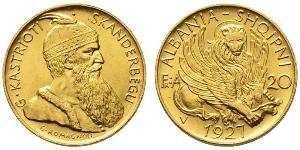
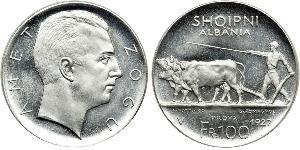
- The 1936 Silver Crownpiece. These pieces carry a portrait bust and date on one side showing the new kingdom identity while featuring double-headed eagles or national motifs on reverse indicating sovereignty established after long occupation history relevant to collectors seeking pre-independence issues.
This particular issue is often found in circulated condition which lowers its rarity value but high quality examples are highly prized for their artistic design that blends European style with local heraldic elements. The historical significance lies in representing the first major coinage designed under full national control shortly after independence declaration rather than during foreign administration oversight.
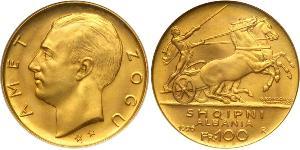
- The 1940 Gold Five Lira Commemorative Medal issued by Italian influence which was later adapted for official use once borders were redrawn and new leadership took office following global geopolitical shifts. These gold items serve as key indicators of economic integration into Western markets while retaining specific national symbols relevant to collectors analyzing post-war trade relations.
The rarity of these medals depends heavily on survival rates since many pieces are damaged due to use in daily commerce or wartime hoarding. For the historian collector, finding an example with strong luster suggests it was kept for ceremonial display rather than general circulation purposes during turbulent periods when gold coins were melted down frequently by authorities.
The first silver issues post-independence often depict eagles facing left as a standard heraldic choice before designs changed in later years to reflect changing political priorities under communist governments. Collectors note that these early examples are distinct because they lack specific state propaganda language found on modern pieces issued after 1950 which carry more ideological themes over traditional national imagery.
Cultural Legacy
The designs stamped onto coins served as public education about history and governance since reading ability was limited among populations. The depiction of eagles represents freedom while the use of specific legends in Albanian language promotes literacy even when written alongside other languages that appeared on older colonial issues.
Economic changes also influenced what people could afford to carry daily, leading governments to issue smaller denominations for local trade rather than high-value gold pieces reserved for wealth holders. This practice created a unique numismatic legacy where base metal coins are more common in collections today since they were needed for markets while precious metals remained scarce due to hoarding or export restrictions during war.
The cultural impact is visible when analyzing reverse designs featuring local flora, architecture of ancient castles that predate statehood yet remain symbols on later issues. Collectors who appreciate art history will notice how these images evolved from simple sketches in early workshops to refined illustrations used as models for medals awarded by the government during international exhibitions held after World War Two.
For collectors
The historical significance of coins minted under this republic remains clear because each issue tells a story about independence and struggle against foreign occupation or economic hardship that defined national identity. Collectors today benefit from studying these pieces to understand regional monetary flows during early 1900s trade networks which were often disrupted by war.
Rarity depends more on survival rates rather than specific catalog numbers provided in specialized guides since many items found locally are common while imported examples carry premium status due to provenance history. Understanding the economic conditions that dictated material choices for production allows one to appreciate why base metals dominate most collections today while silver issues from royal periods hold interest as artifacts of a transition period toward modern sovereignty.
Serious study involves looking beyond mere metal content and instead considering what legend text appears or whether an image has been altered by war damage over time. For auction buyers, provenance documents that link coins to specific historical figures enhance value regardless of condition since they connect directly with history enthusiasts seeking tangible pieces from a nation known for its ancient roots yet complex modern path toward stability today.