| View |
| preceded by | |
|
|||||||
 Netherlands Antilles (1954 – 2010)
|
|||||||

| succeeded by |
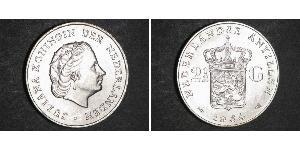
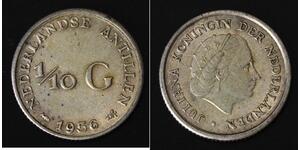
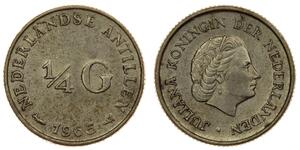
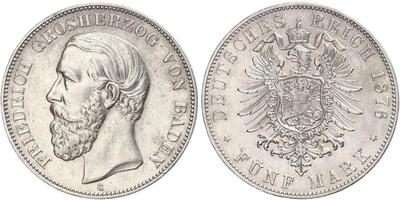
| Netherlands Antilles (1954 – 2010) | Link to Wikipedia |
Netherlands Antilles: History, Coinage and Collectibles
The story of the Netherlands Antilles is one deeply woven into the broader tapestry of colonial history in the Caribbean Sea. This island federation served as a crucial bridge between European trade empires and American markets for centuries. As we explore this chapter of our numismatic heritage, it becomes clear that coins from this region carry much more than monetary value; they preserve visual memories of an age where tropical landscapes met Dutch artistic precision.
Historical Background
To understand the history surrounding these collectible pieces is to witness a shift in global economic power. The initial presence began when early navigators arrived seeking trade opportunities amidst the wind currents that favored sailing vessels of Europe. By the late seventeenth century, Curaçao had already established itself as a vital harbor for merchants exchanging sugar and salt fish with Spain and Portugal across the Atlantic.
The economy was initially driven by agricultural plantation work under colonial oversight until profound social changes occurred in the nineteenth century following abolition movements that redefined labor laws globally. This transition reshaped local commerce significantly, prompting new needs for standardized currency among traders who previously used silver dollars from Spanish colonies or other foreign imports to settle debts.
The federation remained a constituent country of the Kingdom of the Netherlands long after most former colonial empires moved toward republicanism in Europe during and immediately following World War II. However, economic independence eventually became a priority for many island municipalities seeking autonomy over their trade policies. This political evolution led directly to changes in financial management structures and necessitated reforms within monetary systems used across the region.
Currency and Coinage History
The early currency issues were often tied closely to the circulating standards set by Spain or Portugal before formal minting operations under national authority emerged locally. It was not until later periods that a distinct Antillean Guilder became recognized as official tender throughout the federation.
Metallic coins began entering circulation in significant numbers following standardization efforts during the mid-twentieth century to replace foreign silver dollars with domestic currency backed by gold reserves held by local and European banking institutions. The shift toward decimalized coinage marked a modernizing era for commerce, allowing businesses on islands like Aruba or Sint Maarten to use denominations that simplified everyday transactions.
A major turning point occurred in the later decades of the twentieth century when new designs were commissioned featuring portraits of reigning monarchs alongside distinctively Caribbean landscapes. This evolution represented not only artistic progression but also political maturity within the region, as local artists and designers contributed their own interpretations to national identity reflected on metal surfaces.
Mints and Coin Production
The production centers responsible for these items were often located either locally or in mainland European facilities. Initially, a minting operation existed on Curaçao before operations ceased after World War II as resources shifted toward centralized Dutch mints. Even though the physical location changed, the design authority remained distinctively Antillean.
The quality of production varied over time depending upon demand for low denominations like cents used in street vending versus high-value silver coins reserved for wealth preservation or export purposes. During certain periods, proof sets containing these items were produced with exceptional care using polished planchets and hand-striking processes before mass circulation issues appeared.
Different mints adopted specific technologies based on available technology from their respective nations at that time in history. While earlier coins bore marks typical of industrial revolution-era machinery, later runs incorporated finer detailing achieved through computer-controlled presses designed for intricate engraving work commissioned specifically to showcase local flora such as palm trees or marine life alongside formal portraiture.
Notable Coins
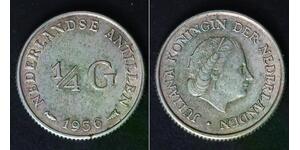
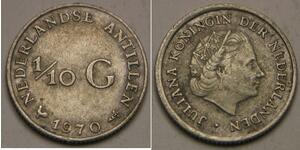
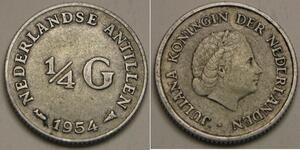
The most sought-after issues by serious collectors are often found within early circulation strikes of the 1950s and subsequent decades through the end of independence. One significant example includes low-denomination copper pieces featuring embossed floral designs that reflect agricultural prosperity on a tiny scale.
- Silver Commemoratives: These rare silver issues were often released during royal visits or anniversary celebrations specific to the Kingdom history timeline, carrying unique mint marks and design elements rarely found in standard circulation series worldwide today.
- Copper Cent Denominations: Produced across several decades representing everyday commerce value. These coins typically display simple designs yet offer insight into how small economies managed daily transactions before digital banking became universal even on smaller island territories.
- Silver Proof Sets: Crafted for collectors rather than merchants, these featured mirror-finish surfaces and specially created engravings of national landmarks visible only in high quality specimens that survived decades without heavy handling damage typical among mass issues.
Among the gold coins struck locally or commissioned were sovereigns bearing inscriptions acknowledging local minting efforts alongside traditional Dutch state symbols. These often appeared as gifts to dignitaries rather than general currency, making them exceptionally rare within public auctions unless provenance links directly trace back to known historical transactions.
Cultural Legacy
The artistic choices made when designing these coins mirror broader cultural values held by the people living on this archipelago at different times in history. While mainland issues focused strictly upon European heraldry or formal court imagery, Caribbean pieces embraced colorful depictions of natural scenery found only within tropical climes.
- Symbols of Independence: Designs evolved over time to reflect growing local pride through the inclusion of national birds and sea life rather than purely colonial military scenes.
- Economic Identity: As oil reserves were discovered offshore later in twentieth century history, new issues appeared celebrating energy resources alongside traditional sugar cane motifs seen during plantation periods.
- Royal Connections: Continued use of monarch portraits maintained strong ties with Europe even as political autonomy increased across Caribbean territories until final administrative changes occurred decades after independence milestones were reached.
This visual language serves today as a record connecting modern nations back to centuries-old traditions preserved in silver and copper. Collectors often seek these items precisely because they offer tangible access into lives lived generations ago on islands far from the mainland where such history is less accessible elsewhere.
For collectors
The importance of this collection remains vital for anyone interested in exploring how small nations navigate monetary systems within larger political frameworks. Every coin represents a decision made by government officials regarding what art styles to promote and which values to engrave upon official currency standards.
Serious acquisition strategies today focus more on condition than raw rarity because demand is consistently driven among buyers seeking historical context rather than speculative investment value alone. Auction houses frequently find strong interest from international numismatists who appreciate the educational content found within these pieces without requiring expert catalog numbers to determine authenticity.
Ultimately, holding a Netherlands Antilles coin allows you to hold history in your hands that spans continents and centuries. Whether tracing early trade routes or analyzing modern artistic shifts toward independence symbolism, each piece contributes valuable knowledge about economic life within this unique region of the world map without relying on external links for verification purposes during research phases before purchasing.