| View |
| preceded by | ||||
|
||||

|
|||||||
 Republic of New Granada (1831–1858)
|
|||||||

| succeeded by | ||||
|

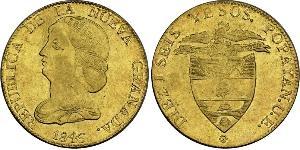
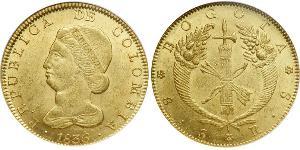
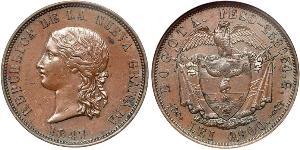
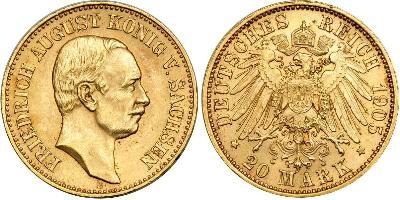
| Republic of New Granada (1831–1858) | Link to Wikipedia |
Republic_of_the_New_Granada: History, Coinage and Collectibles
Welcome patrons and collectors. Today we turn our attention westward to the vast Andean highlands where a new nation struggled against the fading grip of empire. The Republic of New Granada occupies a significant place in the annals of South American independence, serving not merely as a political entity but as a crucible for economic identity on the continent. When you hold one of their earliest coinage pieces today, you are holding a tangible fragment of liberty minted amidst revolution and uncertainty.
Historical Background
The narrative begins in a landscape defined by ancient gold veins deep within the mountains near modern-day Antioquia and Boyacá. For centuries these precious metals flowed into Spanish treasuries, funding an empire that stretched across oceans. However, as the late 18th century drew to a close, whispers of freedom began echoing through Bogotá and Santa Marta. The political struggle was not just one for sovereignty but also for control over economic destiny.
The wars of independence created a precarious monetary situation where commerce had previously relied on Spanish galleys and royal decrees cut off from the crown. In this climate, money became more than an exchange medium; it served as proof that a state existed to back its currency. The early republic was formed by the union of provinces with distinct regional interests who needed a coinage system that reflected their shared struggle for liberty while maintaining trade routes through Cartagena and into Panama.
Currency and Coinage History
In terms of monetary evolution, this region witnessed the dramatic transition from colonial silver reales to national currencies representing republican ideals. While early circulation relied heavily on Spanish coins brought by galleons or minted in Bogotá during periods when supply lines were open, true republic coinage required reforming legislation that allowed for autonomous production.
The government sought stability through gold and silver denominations that mirrored the international standard of weight but bore national symbols. Early reforms often involved reusing old Spanish dies before finally producing coins with new legends reading Republica Nueva Granada. This shift was critical because it signified to local merchants that their wealth belonged to a sovereign people rather than an overseas monarch.
Mints and Coin Production
The minting infrastructure relied heavily on established royal facilities at Popayán and later Santa Fe de Bogotá, though production volumes fluctuated wildly based on war conditions. During periods of conflict, precious metals were often reserved for military needs rather than circulating coinage, leading to a scarcity that collectors prize highly today.
The artistic techniques reflected the limitations of local artisans working alongside skilled Spanish exiles and former colonial engravers. Early coins show signs of hand-hammering or irregular striking pressure common in revolutionary eras when machinery was damaged by battlefields. Later issues demonstrate improved precision as order returned to the capital, yet some imperfections remain that speak to the turbulent history these metals experienced.
The designs themselves were carefully selected to avoid political offense while signaling progress. Portraits of national heroes eventually replaced royal effigies or busts on later dates within the 19th century transition periods leading toward a unified Colombian federation, reflecting an era where artistic merit was secondary but not absent entirely in public finance.
Notable Coins
Certain issues stand out for their historical importance to numismatists worldwide. One must examine the gold coins produced during the initial independence phases of Bogotá and Popayán, which often feature elegant Liberty heads or classical motifs adapted from Neoclassical art traditions.
- The Gold Peso is perhaps most sought after due to its high purity standards initially maintained before debasement occurred. Its reverse usually bears a colonial seal that evolves into republican crests over time. Collectors value these for their scarcity in the wilder circulation grades resulting from heavy usage during economic transitions.
- Silver denominations such as half reales show great variety due to regional differences between Bogotá and Cartagena mints where designs were sometimes copied but mint marks varied significantly based on local needs or oversight.
Certain proofs struck in small quantities for diplomatic gifts are also notable, carrying high relief that distinguishes them from commercial strikes. The value of these lies not just in their metal content but the provenance stories attached to rare examples that survived wars and melting pots without disappearing into bank vaults or private collections.
Cultural Legacy
The coins produced here are mirrors of a people transitioning between old empires and modern nation-states. Religious iconography often competed with secular symbols on the reverse, illustrating how independence movements sought to maintain moral foundations while challenging monarchical authority. The imagery captures optimism amidst adversity—often showing eagles or tricolor motifs that anticipated future national flags.
Economically these metals funded infrastructure projects after peace returned, such as road construction through difficult mountain passes required for agricultural exportation of coffee and cotton which began to dominate trade by the mid-century later on. The coinage reflects this slow emergence from colonial dependency toward self-sustaining commerce.
For collectors
The enduring allure of Republic New Granada collectibles comes down to historical authenticity preserved in metal form today where few artifacts remain complete beyond paper currency or jewelry melted during wartime periods. Each coin tells a story about how the Andean highlands supported global trade through silver flows that connected Mexico and Peru with Spanish markets before those nations gained independence themselves.
We advise buyers to seek pieces showing signs of circulation rather than mint state condition which was rare for these early republics where heavy usage by soldiers and merchants created naturally patinated surfaces. Such examples carry a certain warmth in handling while serving as educational tools that help us understand how financial systems stabilize during the birth of nations.