| View |
| preceded by | |
 Colombia


| succeeded by |
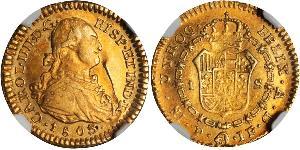
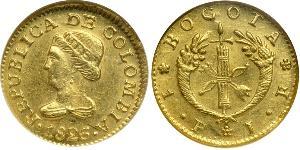
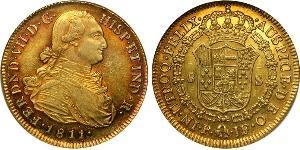
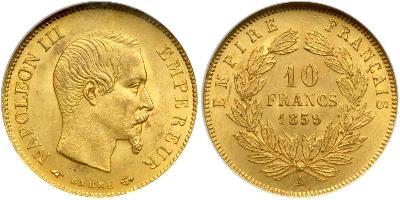
| Colombia | Link to Wikipedia |
Colombia: History, Coinage and Collectibles
Welcome to this curated journey through the monetary history of a nation defined by its rich geography and dramatic transformation from an ancient civilization to a modern economic powerhouse.
The Curator notes:
We stand on solid ground today where for centuries, the earth itself yielded gold and silver. These metals were not merely currency; they were carriers of history across oceans and empires. As we look at this collection from Colombia's perspective, we explore how economic shifts shaped political landscapes.
Historical Background
To understand the coins that circulated through the ports of Cartagena or settled in the banks of Bogotá, one must first appreciate the cultural tapestry woven before contact. The Muisca people inhabited this Andean region long before European ships arrived along the trade routes that would later become famous for gold dust and emeralds.
The arrival of colonial administration did not immediately end indigenous traditions, but rather layered them into a system heavily influenced by Spain's global reach. For centuries, these lands were part of the Viceroyalty of New Granada. The region was vital because it bridged the Atlantic with South America's interior trade networks.
- The Era of Discovery and Gold:
Silversmiths in Europe often sought wealth directly from these mines, but early coins were primarily imports. The local economy relied heavily on barter until the Spanish Crown established centralized minting.
- The Independence Struggle:
In 1819, Simón Bolívar's victory at Boyacá marked a turning point that would eventually redefine local monetary sovereignty. The struggle for freedom disrupted commerce significantly but ultimately led to the creation of new states seeking independence from trade restrictions.
- The Rise of Agriculture and Trade:
In the late nineteenth century, a new boom emerged in coffee production within the Andean mountains. This export economy stabilized the national market more than ever before, creating demand for reliable currency standards that could withstand international exchange.
Currency and Coinage History
The monetary journey of this nation began under Spanish rule with silver pieces known as Reales and Pesos. Over time, these circulated widely in Latin America, often bearing the royal arms or religious iconography familiar across all colonies.
Silver Standard Evolution: After independence around 1830, new republics struggled to establish trust with foreign merchants who feared debased currency. By the late 19th century, Colombia attempted to unify its money supply by adopting silver standards similar to those used in the United States.
The Gold Standard Transition: The early twentieth century saw a significant shift towards gold coinage as international trade grew and confidence stabilized through export revenues. These periods are of great interest because they represent the stabilization required for a developing nation economy.
Mints and Coin Production
The production centers were not merely factories but places where national identity was forged in metal. The primary facility operated within Bogotá itself under strict oversight before shifting to private or semi-official control as technology improved.
Curator Note on Design:
Ancient designs often featured religious imagery such as the Virgin Mary, which reflected Catholic heritage deeply embedded in daily life. Later coins adopted neoclassical portraits and landscape views representing local flora to signal independence from Spain.
- Cartagena Mint:
This coastal city served historically as a minting hub due to its connection with sea routes before the interior highland mints became dominant. The designs changed frequently, sometimes using wood engravings adapted quickly for copper tokens.
- Bogotá Production:
This central facility produced vast quantities of circulation coinage during wartime and peace alike. When production slowed due to political instability or war damage, private merchants issued token currency that circulated alongside government issues for decades until trust was restored.
Notable Coins
For the enthusiast seeking historical pieces rather than investment assets specifically, certain types tell a compelling narrative about stability and artistic progression.
- The Early Silver Reales: These are among the earliest issues found in circulation following initial separation from Spain. They feature religious symbols of protection against pirates or natural disasters common to coastal shipping lanes. The silver content was often lower than modern standards but served daily market needs.
- The Gold Escudos: Produced during the late 1800s and early 20th century, these coins mark the return to precious metal stability. They depict national landmarks or agricultural icons reflecting pride in local produce exported globally.
- The Silver Dollar Variations: These circulated widely during mid-century when international trade was robust. Collectors often find them interesting because they sometimes feature different portraits of political leaders who stabilized the economy after conflict periods ended.
Cultural Legacy
Symbols of Stability:
The depiction of coffee leaves, gold mines, or local birds appears prominently on these metal tokens throughout history. These elements serve not only decoration but also marketing for foreign buyers who might recognize specific agricultural goods during trade negotiations at international ports.
For collectors
Possessing History:
The collector's advantage:
Beyond simple rarity, these items offer access to stories about how small states survived large empires using only metal currency to buy goods or pay soldiers. The aesthetic evolution from Spanish religious art to early republican portraits makes them valuable for anyone who appreciates changing artistic tastes over two centuries of history.
Closing Thoughts
This nation's coinage serves as a tangible testament to how trade routes and internal economies evolved together. When you handle these pieces, feel the weight not just of metal but of years spent minted for survival or prosperity in a volatile world. They invite contemplation on resilience.
- Rarity Factor: Many types were produced during times when war and civil unrest disrupted standard production schedules significantly, leading to low yields that collectors can now appreciate centuries later.