| View |
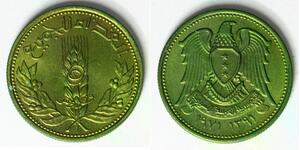
 Syria (1946 - )
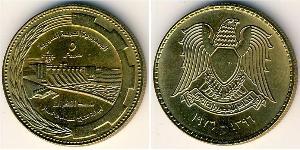
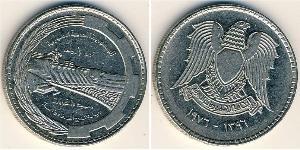
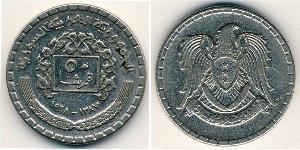
| Syria (1946 - ) | Link to Wikipedia |
Syria: History, Coinage and Collectibles
Welcome to our exploration of a land steeped in ancient history and rich numismatic tradition. This region stands at the crossroads of three continents, acting as an essential bridge between East and West for millennia. For historians and collectors alike, Syria represents more than just geography; it is a treasury of cultural exchange where gold flowed along trade routes connecting Egypt with Mesopotamia.
Historical Background
The land known historically to the Greeks as Phoenice or Coele-Syria has always been defined by its strategic location. Situated between the mountains and deserts, this fertile plain fostered early sedentary life during the Neolithic period. Before civilizations rose in full bloom around 3500 BC with Ebla dominating trade networks, merchants already exchanged goods across borders that are now political lines.
The region's significance to commerce was undeniable from antiquity through the Roman Empire and beyond. Following Alexander the Great’s conquests and subsequent Seleucid rule, Syria became a Greek-speaking kingdom before falling under Roman administration. This era saw the establishment of stable road networks facilitating coin circulation throughout the Levant.
When Islam arose in the 7th century AD, the region served as the seat of power for the Umayyad Caliphate with its capital established at Damascus. This political shift necessitated a unification of currency standards across the vast empire to facilitate taxation and trade along both land routes and maritime paths. The subsequent Mamluk Sultanate brought another wave of administrative change, leading eventually into Ottoman dominion which lasted until the early 20th century.
Currency and Coinage History
The history of money in Syria is a story of standardization driven by imperial expansion. Following the Umayyad conquests in AD 640, gold coins known as dinars began to replace Byzantine solidi that had previously dominated local markets for centuries under different names.
During this early period, mint production became central to statecraft. As Islamic governance consolidated over Iraq and Egypt simultaneously, the need arose for a unified currency system free from imagery of human beings or animals in accordance with religious sensibilities common at the time.
- The Abbasid Era: This period saw significant experimentation with silver dirhams featuring more intricate geometric patterns along their edges before they settled into standardized weights known as the Mamluk standard later on.
- Ottoman Reforms: In the late 19th century, centralization efforts under Sultan Abdulhamid II led to new issues of silver piastres stamped with intricate calligraphy rather than portraits, reflecting a distinct aesthetic different from European counterparts during that time.
Much later in history came foreign mandates which introduced modern currency designs into local commerce. However, for collectors and historians focused on numismatic heritage, the transition of power remained one consistent theme across these centuries—where each new regime sought to assert legitimacy through coinage bearing their titles or names.
Mints and Coin Production
Syria housed several mints that produced coins reflecting high levels of craftsmanship during specific epochs. The primary center was the capital city itself, where imperial gold dinars were struck by master minters working for Umayyad Caliphs such as Walid I.
Damascus served not only as a political hub but also an artistic one. Artists there developed styles of inscribing Kufic script around the rim rather than placing them in simple straight lines seen elsewhere in Europe at that time. By contrast, regional mints located in Homs or Aleppo often produced silver coins with simpler designs meant for everyday rural trade.
The technology used varied from ancient sand molds to later hydraulic pressing machines during Ottoman times. These advancements allowed for consistent weight standards even when political borders shifted significantly under Mamluk and Ayyubid sultans who sought to maintain currency parity across their territories to prevent inflation.
Notable Coins
Coin collectors often find the greatest treasures in gold pieces produced before these regions fell into modern fragmentation. The Umayyad Gold Dinar from Damascus remains perhaps one of the most historically significant finds within this region.
- The Umayyad Golden Dinars: Produced during the reigns of rulers like Hisham ibn Abd al-Malik, these coins feature elegant Arabic calligraphy surrounding a central Islamic declaration. They are highly sought after for their perfect roundness and brilliant gold color which indicates high quality metal purity.
- Ayyubid Silver Dirhams: Following the rise of Saladin in Jerusalem and Damascus around 12th century AD, silver coins bore his name alongside standard Islamic formulas. Collectors prize these for their transition from earlier Abbasid designs to more localized regional styles found specifically under Syrian influence during crusades.
- Ottoman Silver Piastres: Issued towards the end of empire rule before WWI broke out across Europe, late Ottoman issues offer a glimpse into how Eastern aesthetics merged with modern industrial minting techniques. These are particularly popular in smaller denominations circulated widely within markets during that transitional period.
Cultural Legacy
The coinage of Syria serves as an artifact of its culture and identity rather than just a tool for buying bread or gold. For centuries, the Islamic tradition dictated what could be depicted on currency, leading to richly decorative borders filled with geometric motifs instead of faces.
This approach preserved religious values while allowing rulers like the Caliphs or Sultans to communicate their authority solely through text and symbols rather than likeness. As such, reading a coin from this region feels akin to translating poetry—the Kufic script was often written in verse celebrating God’s greatness alongside standard administrative inscriptions required by law.
This artistic constraint actually enhanced the aesthetic value of these coins over time. By avoiding faces for many centuries until late Ottoman times when portraits briefly appeared again, each new design became a canvas strictly devoted to architecture or nature themes derived from local geography including desert patterns representing trade routes that connected Syria globally with Egypt and Anatolia.
For collectors
The legacy of Syrian coinage remains robust for enthusiasts today. Pieces found in excavations often preserve the golden hue lost elsewhere due to oxidation, allowing modern eyes to behold pristine examples without requiring restoration work commonly needed by other ancient artifacts found in similar conditions worldwide.
- Rarity and Condition: High-value pieces are rarely produced beyond specific mint runs during certain caliphates or sultan reigns which gives scarcity a tangible link to historical events rather than just age alone as sometimes seen elsewhere globally across centuries of human history affecting value significantly based upon market demand fluctuating over time periods spanning decades now past and present alike.
- Cultural Connection: Owning these pieces connects individuals directly with civilizations that shaped the Levant, Middle East trade networks connecting Mediterranean ports to Persian Gulf routes where spices were traded for centuries before modern borders existed defining political boundaries today between neighbors who share similar heritage still celebrated together in museums across region.
In summary, exploring this collection journey offers insight into how ancient civilizations managed resources globally while preserving local traditions within a shared economic framework known throughout world history where money was both art and utility simultaneously for centuries past until modern banking systems replaced direct gold standard usage eventually leading us toward digital currencies now used everywhere online around today's time.