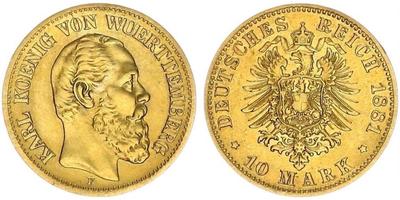
| View |
| preceded by | |
 Czech Republic (1993 - )
|
||||||||
|

| succeeded by |
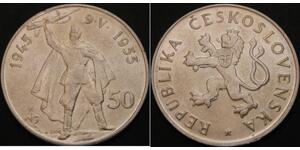
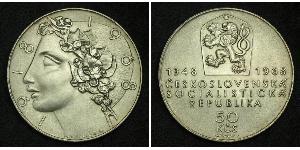
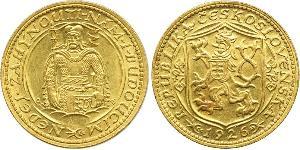
| Czech Republic (1993 - ) | Link to Wikipedia |
Czech Republic: History, Coinage and Collectibles
Welcome to this exploration of numismatic treasures from the lands once known broadly as Bohemia and now proudly recognized as Czechia. For centuries, these Central European territories have stood at a crossroads between East and West, serving not only as political powers but also as major players in medieval trade networks.
Historical Background
The story of this nation is one of distinct evolution from tribal settlements to a complex monarchy within the Holy Roman Empire. Long before it bore its current name, these lands were home to diverse cultures that traded extensively with Western Europe and Byzantium. The political landscape was dominated by the Přemyslid dynasty during the 10th century, which eventually crowned their realm as a Kingdom in 1212 via the Golden Bull of Sicily.
This elevation brought immense prestige but also heavy responsibilities; King Wenceslas I and his successors were expected to maintain order across a diverse population. The integration into the Habsburg Empire during the late Middle Ages transformed these economies, aligning them with Vienna while retaining local autonomy in Prague. However, history is not linear without conflict or resilience.
The turbulent 15th century introduced profound shifts. Following religious upheavals and wars involving Hussite movements, the state machinery underwent stress. The Habsburg administration eventually re-established firm control over finances after these disturbances, leading to a period of significant industrialization in the late 19th century that modernized production before World War I.
The geopolitical map shifted again with the fall of Austria-Hungary following the Great War and the subsequent creation of Czechoslovakia. This era was marked by economic stabilization but also challenges from neighboring hyperinflations like Germany or Hungary in the early 1920s, creating a brief period where local coinage became crucial for domestic sovereignty.
Currency and Coinage History
Minting practices here followed broader European trends yet developed unique regional characteristics. Early currency relied on silver standards derived from neighboring mining regions in the Ore Mountains. By the late 13th century, local mints began producing high-quality gold pieces, such as florins intended for international trade with merchants.
The introduction of industrialization brought a major shift: mass production and uniformity were no longer necessary luxuries; they became necessities to support rapid urbanization. During the Habsburg period, Prague's mint produced coins that closely resembled those from Vienna or Berlin but often carried specific inscriptions denoting local rulers.
Post-independence issues required a new visual language to distinguish Czech lands from Slovakia and other neighbors in a unified state project (Czechoslovakia). The interwar years saw designs shift away purely traditional religious iconography toward symbols of democracy and national industry, setting the stage for modern collectors who value these artistic transitions.
Mints and Coin Production
The primary center of operation was always Prague. Unlike some mints in Europe that focused strictly on fine art or others prioritizing volume over quality, Bohemia sought a balance—coins were durable enough to withstand harsh trade routes yet decorative enough for the nobility.
- Minting Traditions: The tradition here is characterized by boldness rather than delicate filigree found in Italian mints. Striking techniques evolved slowly, utilizing strong presses that emphasized relief height over minute surface details.
In the modern era, especially from 1945 onward and through independence after the Velvet Revolution, production centers included both Prague (the historic seat) and later facilities in Brno for lower denominations. This division allowed high-value gold or silver pieces to carry historical weight while everyday copper coins utilized streamlined methods.
Notable Coins
To begin a collection here is to acquire links to significant chapters of national identity.
- The Bohemian Lion Denars:
This medieval silver coinage serves as the backbone for serious collectors. Historically used by kings such as Ottokar II, these coins featured the royal lion at obverse and reverse, often stamped with a cross to signify church protection. They are prized today not just for their rarity but because they represent an early attempt of regional branding in European trade.
- The Gilded Florins:
In the 16th and 17th centuries, these precious gold coins became the standard currency for high-value transactions across Europe. Produced with great precision during Habsburg rule yet distinctively local in their legends praising regional kings, they bridge numismatic history with European trade finance.
- Inflation Era Issues:
Post-World War I and specifically the early 1920s offer a fascinating look at how governments responded to economic collapse. Coins issued during these times often featured complex designs attempting to restore confidence in the currency amidst political turmoil, making them historically poignant.
- The Independence Series:
When Czechoslovakia first declared its independence following 1918 and later when it split again in 1993, the minting houses produced new national coins. The transition from Habsburg coats of arms to simple shields bearing the lion or St. Wenceslas offers a clear timeline for historians.
Cultural Legacy
The numismatic legacy here is defined by resilience. From ancient tribal origins documented on pottery figurines like Venus of Dolní Věstonice (showing pre-minting artistry) to the industrial gold standard, coins reflect society's values. Religious motifs are often secondary to state authority.
This history connects deeply with modern identity as well. Symbols of St Vitus and national lions remain prevalent in contemporary issues celebrating heritage and independence. For a collector, acquiring these pieces allows for an appreciation of artistry that has evolved from medieval religious piety toward secular representation without losing cultural depth.
For Collectors
Coinage remains the tangible legacy of this Central European powerhouse. Why do collectors seek them? Because they offer a window into centuries where trade, religion, and sovereignty intersected in metal form. The journey from local barter silver to international gold florins tells stories that text alone cannot.
The importance extends beyond simple rarity; it is the continuity of history preserved on copper or gold. Whether one seeks the early medieval marks of power held by Přemysl Ottokar, the complex inflationary pieces that defined a modern nation's struggle to stabilize currency in the 1920s, or elegant commemorative issues from contemporary times—each piece adds texture to our understanding of human history.
The Czech lands have long been associated with wealth and craftsmanship. In holding their coins, an enthusiast holds not just precious metals but a tangible thread linking back to ancient trade routes that connected Rome, Byzantium, and the rising economies of Central Europe. For these reasons, this collection remains one of great historical value.