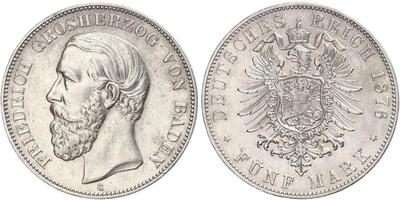
| View |

 Bohemia
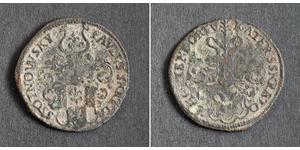
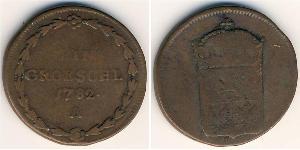
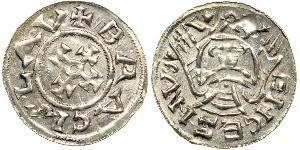
| Bohemia | Link to Wikipedia |
Bohemia: History, Coinage and Collectibles
Welcome to the treasury of a region that once stood as a pivotal center of Central European power. For centuries, Bohemia was not merely a geographical territory but a thriving kingdom whose silver wealth resonated through the economy of empires from the Holy Roman Empire to Austria-Hungary.
Historical Background
To understand the coins that passed through these lands, one must first understand the people and their political evolution. The narrative begins with early Slavic tribes settling in this valley along the Vltava River around 500 BCE. It became a duchy under Otto I of Germany before transitioning into a royal province ruled by various dynasties. However, the defining moment for Bohemian sovereignty came centuries later during the reign of Charles IV.
This period marked the zenith of political independence and imperial prestige. Under his leadership, Prague was designated as one of two capitals of the Holy Roman Empire in 1356. This designation carried significant weight because it granted the kingdom immense autonomy from external interference. The Golden Bull of that era confirmed a special status for Bohemia within the empire.
The region developed into a hub of learning and art, rivaling Rome itself due to its architectural splendors at Tyn Cathedral and Prague Castle. This cultural renaissance was funded partly by local trade along established river routes connecting East and West. The economy relied heavily on mining operations in Jáchymov and Kutná Hora.
Economic prosperity shaped the statehood of Bohemia during this era as it balanced power between royal authority and civic privileges enjoyed by its townspeople. However, political shifts eventually brought this region under Habsburg control following conflicts in later centuries. Despite losing full sovereignty to imperial rule, local administrative autonomy allowed for a continuation of regional economic policies that favored trade stability over strict tax demands.
Currency and Coinage History
The flow of money across Europe was historically dictated by the quality of metal found within a nation's borders. Bohemia possessed exceptional access to high-quality silver, making it one of the first regions in medieval history to mint large volumes of currency known as Thalers or dollars.
In earlier centuries before standardization under Charles IV, small copper pieces circulated widely for daily transactions among peasants and craftsmen who needed lightweight change. As trade expanded with German cities and Italian merchants, larger denominations were required to facilitate long-distance commerce between markets like Leipzig and Vienna. These demands drove the introduction of gold crowns (Korunas) which became standard high-value currency later.
The monetary evolution reflects a broader shift from barter systems toward standardized weights based on precious metal content. A crucial period was when imperial authorities sought to stabilize exchange rates against fluctuating foreign currencies like ducats or florins, often resulting in reforms that favored the silver Thaler which maintained better value stability.
The introduction of decimal coinage arrived much later during the 18th century alongside modernization efforts. This era required a new approach where copper and silver were issued with consistent fineness to prevent fraud by local mints or counterfeiters who might alter weight standards easily.
Mints and Coin Production
The heart of Bohemian currency creation was the royal mint located within Prague Castle. This facility operated under strict supervision from kings, archdukes, and eventually foreign emperors representing Habsburg authority during later periods.
Craftsmanship in this region evolved to meet high artistic standards alongside functional requirements for trade reliability. Initially, coin production methods relied on hand-beating techniques which made each piece unique until hammering ceased as mechanical presses were introduced during the Baroque period.
The use of local ores and bullion allowed Bohemia to maintain an advantage where other regions struggled with poor quality supplies or logistical issues preventing transport from distant mines. Mint marks often identified these production centers including specific workshops within Prague that catered to different denominations ranging from copper groschen for daily bread purchases up to gold crowns for major transactions.
Minting traditions also preserved unique iconography styles reflecting local tastes distinct from purely Germanic or Italian influences seen elsewhere in the continent. This cultural fingerprint remained evident long after imperial decrees standardized designs across borders, preserving specific regional nuances that collectors prize today as markers of authentic origin rather than generic trade coinage.
Notable Coins
For those seeking to connect with history through tangible objects produced within these halls, several types stand out above others. The most revered silver pieces were minted during the 14th century when Emperor Charles IV sought to establish a legacy that would endure beyond his lifetime.
- The Silver Thaler of Charles IVThis denomination served as a primary medium for large commercial transactions throughout Central Europe. It featured distinctive portraiture and inscriptions denoting the issuing authority directly, serving both economic needs and political propaganda purposes by projecting royal power over foreign territories.
- Copper Groschen SeriesIdealized representations of local saints like Saint Wenceslaus appear on these low-value pieces intended for general circulation. Their durability in heavy wear allowed them to circulate widely across markets before being exchanged into larger denominations needed by merchants trading goods between distant cities.
- The Gold Crown (Koruna)This rare denomination was reserved primarily for state accounts or major international payments where silver alone might lack sufficient weight. Its scarcity makes it particularly valuable to serious collectors focusing on the imperial era of currency production before modern republics altered monetary systems entirely.
Later issues from the 18th and early 19th centuries show a different style completely as designs shifted toward realism with accurate depictions of reigning monarchs rather than symbolic heraldry. These pieces reflect changing attitudes where human likeness became more important to state representation across national lines.
Cultural Legacy
The coinage of Bohemia encapsulates the rich tapestry of its artistic heritage, religious devotion, and royal prestige found in no other region during this period. The imagery often combined sacred iconography with political messaging designed to unify subjects around a common ruler.
Saint Wenceslaus appears frequently on earlier issues representing protection for travelers while later designs emphasize the architectural grandeur of Prague Castle as proof of cultural sophistication comparable to major European capitals like Paris or London at that time. These images served not only practical purposes but reinforced identity among populations living under imperial administration who often felt marginalized within broader political structures.
The use of silver from local mines allowed for higher artistic finish than many regions could achieve using imported metal which was usually alloyed with base materials to save cost. This commitment to quality ensured that Bohemian issues commanded confidence from merchants willing to accept them without demanding premiums paid elsewhere in Europe.
For collectors
This region remains significant for enthusiasts because its history intersects directly with the rise of empires and modern monetary standards worldwide today. Studying these coins provides insight into how wealth was managed before banks existed as we know them currently, relying instead on trust established through currency quality alone.
- Provenance matters significantly when examining issues from this region since many pieces were exported widely across Central Europe during trade expansions that connected merchants with ports in Italy and the Hanseatic League cities.
The artistic quality of these designs often surpasses later mass-produced issues found elsewhere on modern catalogs. Collectors appreciate how each strike carries forward the craftsmanship traditions from skilled die engravers who worked for generations in Prague's mint houses.
In summary, examining Bohemian coinage offers more than just a glimpse into old metallurgy; it reveals layers of history preserved within metal that connects our understanding today with past realities shaping economic systems now used globally across markets connecting East and West alike over centuries. Whether one seeks the historical significance or purely aesthetic appeal found in these silver standards, they serve as enduring ambassadors linking diverse cultures united through currency.