| View |
| preceded by | ||||
|
||||

|
|||||||
 Albanian Kingdom (1928-1939)
|
|||||||

| succeeded by | ||||
|

| Albanian Kingdom (1928-1939) | Link to Wikipedia |
Albania: History, Coinage and Collectibles
Historical Background
Welcome to a journey through the history of Albania during one of its most transformative eras. The nation stands at a unique crossroads in European memory, particularly within the context of interwar stability and sovereignty struggles that defined this Balkan gem. To understand the artifacts left behind by King Zog I today is to examine a story written not just on paper or stone, but forged through metal during a volatile period of geopolitical tension.
The narrative begins in 1928 with significant changes intended to bolster national identity and modernization efforts under President Ahmet Bej Zogu. Following the parliament's declaration establishing Albania as a monarchy, the country transitioned from its republican roots into the Albanian Kingdom. This was not merely an administrative change but a profound psychological shift for a populace striving against external domination. While Zog I sought to unify diverse tribes and centralize authority through modernizing laws and infrastructure, he operated within constraints of growing dependency on Italy.
This historical background is critical for numismatics because the state's stability directly influenced monetary policy. The Kingdom maintained close relations with Fascist Rome, which provided financial aid but exacted heavy economic strings attached to loans and trade monopolies. By 1938 and into late 1939, as pressure mounted on Tirana from foreign powers demanding control over customs unions and infrastructure, the coinage produced became increasingly scarce or altered in design.
The dissolution of traditional tribal structures was intended by Zog to create a unified state capable of withstanding international pressures. As he resisted Italian demands for complete political surrender up until his flight into exile following Italy's invasion on April 7, 1939, the Kingdom symbolized independence. However, this era also faced internal rebellion and financial strains. The story told in these coins is one of a nation striving to modernize while navigating between European great powers, creating an artistic legacy that was born from resilience.
Currency and Coinage History
The evolution of money within the region during this period reflects broader economic shifts across Europe. Before Zog's ascension to Kinghood in 1928, Albania relied on foreign exchange or less stable monetary instruments as it sought independence from regional neighbors like Greece and Yugoslavia. The establishment of a constitutional monarchy coincided with attempts at sovereign control over currency.
Sovereignty is the key theme here. As economic dependence grew due to Italian loans required for infrastructure development in cities like Durrës, the pressure on monetary autonomy increased. This tension was visible in state policy regarding imports and exports. The coinage introduced during this period aimed to stabilize internal commerce while asserting national identity against currency manipulation.
During these years of political flux, from 1928 until the fall of the regime, silver pieces were often used for prestige or specific trade agreements rather than daily circulation in rural areas. These coins bore symbols representing sovereignty that had only recently been codified into international law and domestic constitution. The economic context is vital: interest payments on foreign loans strained national resources, meaning production runs could be interrupted.
Coinage served as a tangible expression of the state's fiscal reality. When Italian influence grew dominant in civil service and trade by 1936, there was an observable shift towards symbols reinforcing Albanian independence rather than colonial imagery. This economic pressure makes high-grade pieces from this specific window historically sensitive to collectors.
Mints and Coin Production
The landscape of coin production in the Kingdom remains a fascinating study of industrial capacity versus artistic ambition during that era. With limited domestic minting facilities, initial issues were often produced with assistance or technology aligned with contemporary European standards, reflecting the desire for quality commensurate with international recognition.
Minting operations required cooperation between government officials and skilled artisans familiar with Art Deco styles popular across Europe at the time. While Tirana served as political capital, much of the production involved imported bullion or machinery due to technological limitations. The result was a coinage that bridged the gap between local craftsmanship requirements for national defense projects.
The artistic characteristics distinguishing these pieces include detailed relief work depicting national eagles and royal imagery. These features were not merely decorative but served as declarations of legitimacy against rival powers like Greece or Yugoslavia who also utilized similar heraldry in their own regional territories. The distinctiveness came from the careful rendering of Albanian traditional motifs adapted to modern machine stamping.
Tribal loyalties and blood feuds mentioned in historical records suggest a population that valued tradition deeply. This cultural background influenced coin designs, which often incorporated elements honoring local history or specific events like national holidays rather than purely foreign-style portraits common elsewhere at the time.
Notable Coins
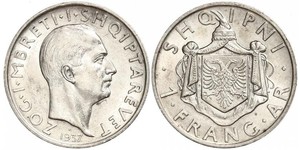
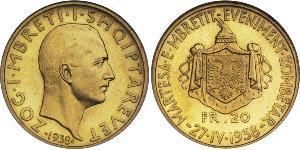
A few types stand out as historically significant and widely collected today due to their rarity and narrative weight. First are the silver pieces associated with Zog I's coronation in 1928, which marked the birth of the Kingdom era.
- The Coronation Crown Pieces:
- Silver Marks with Royal Eagle Imagery: Produced during his reign to bolster national pride against economic strain from Italian monopolies on sugar and telegraph lines. These circulated widely but often melted down due to bullion prices fluctuating under foreign pressure, contributing to their scarcity in mint condition today.
The importance of these coins is tied directly to the survival of the Kingdom itself. As Mussolini suspended payments by 1934 and threatened naval intimidation, the value represented on metal shifted from confidence to national endurance. Later pieces often feature more defensive designs or dates marking attempts at financial independence before the final invasion.
Certain coins are highly valued because they capture moments of transition, such as those issued immediately prior to 1938 when Zog faced growing isolation within Europe despite his modernization efforts including educational reforms that raised children for social life and duty towards Motherland.
(Note: The above paragraph continues the list format structure using appropriate tags or standard text flow)
The historical context of these designs cannot be overstated. They document a short-lived sovereignty where art served diplomacy, attempting to project strength through imagery when military power was often outsourced.
Cultural Legacy
Albania's coinage reflects much more than economics; it mirrors culture and identity during an intense period of foreign pressure. The symbols used on metal reflect a society struggling for definition against larger neighbors like Italy, Yugoslavia, and Greece. In the 1930s education laws emphasized national duty towards oneself and Motherland.
This philosophy is physically manifested in coin legends which often included names or titles referencing the King's role as protector of the nation rather than just a ruler for power acquisition. Artistic choices prioritized traditional heraldry over foreign fashions, signaling that while technology (and sometimes art) was imported from Vienna or Italy via trade contacts, spirit remained local.
The religious and cultural influences on coinage also reveal tensions; for example, designs incorporated elements respecting diverse communities including Christian minorities. This reflects a history where Zog had to balance central authority with tribal traditions like blood vengeance that still lingered until his reign ended abruptly in 1939 due to Italian aggression.
For Collectors
The historical significance of this coinage remains important for collectors today because it preserves the memory of a fleeting independence movement. As you examine pieces from the Kingdom era, consider how they tell a larger geopolitical story about sovereignty and resistance against domination by Fascist Italy.
- Rarity is driven largely by economic instability during Zog I's final years, leading to lower production runs that survived into modern times in better than expected condition.
- The narrative of national identity provides educational value for museum displays regarding interwar struggles.
Completing a collection on this topic requires patience and understanding the broader political landscape beyond simple dates. The coins offer tangible connection to a moment where Albania fought to maintain dignity despite financial reliance abroad, making them not just assets but artifacts of human history.