| preceded by | |
|
|||||||||
 Kingdom of Poland (1815-1915)
|
|||||||||


| succeeded by |


| Kingdom of Poland (1815-1915) | Link to Wikipedia |
Congress Poland: History, Coinage and Collectibles
Welcome inside our gallery today. As a curator who has dedicated their life to the art of coin collecting, I am often asked about regions where culture, empire, and history intertwine in complex ways. Today we turn our attention to one such fascinating region, Congress Poland. To understand this territory's place on numismatic shelves is not merely an exercise in cataloging metal content; it requires us to step into a unique historical moment defined by political autonomy, cultural resilience, and the eventual integration of Eastern Europe within broader imperial frameworks.
Historical Background
The story of Congress Poland began after the upheavals of war had settled across Europe. In the aftermath of Napoleon's defeat at Waterloo and during the diplomatic gathering known as the Congress of Vienna, a decision was made to establish this kingdom between 1815 and 1916. It occupied a distinct position on the map, functioning not merely as an occupied territory but often described by contemporaries as a separate state that held autonomy within the Russian Empire.
This political reality fostered a unique environment for economic activity. The kingdom was granted its own constitution in 1815 and retained significant control over trade policies with Western Europe, particularly France and Germany during this period of rapid industrialization. For collectors interested in history beyond metal, it is crucial to note that the economy relied heavily on grain exports from the fertile eastern plains while import commerce flowed through ports like Gdynia before modern infrastructure connected these regions further.
The society was characterized by a blend of cultures and languages where Polish culture thrived within administrative boundaries until political pressures increased in later years. This stability allowed for distinct artistic schools to flourish, influencing not only architecture but the visual language found on metal currency used throughout the region during this transitional era between Napoleonic influence and Russian absolutism.
Currency and Coinage History
The evolution of money within these borders serves as a mirror reflecting its political status. In earlier decades, coins circulated with specific denominations like zloty or florins that held distinct value relative to the wider imperial currency. However, over time the monetary system unified more closely with Imperial standards.
This shift was not merely bureaucratic; it marked a deliberate policy of centralization under subsequent Russian leadership following mid-century unrests and uprisings for national autonomy against Tsarist administration between 1830 and 1863. The currency evolved from locally issued silver pieces to gold issues that utilized established designs but bore the name of local monarchs styled as Kings rather than Emperors during this interim period.
Coinage played a vital role in government revenue generation, where trade taxes were often collected directly through metal output at regional centers. This provided stability for merchants and bankers who dealt in silver from foreign exchanges to pay salaries within the borders of Warsaw. As control tightened after 1840, mint production transitioned to align more closely with St Petersburg standards though distinct mints continued to produce local variations.
Mints and Coin Production
The heart of numismatic art lies in where a coin is born. While the capital city provided administrative oversight for currency control, it was not uncommon for regional production centers like Warsaw or St Petersburg facilities that specialized in silver strikes to handle this specific territory.
Minting traditions were deeply influenced by Romanticism which dominated mid-century Europe. Artists working within these mints aimed to capture national identity through portraiture and heraldry before imperial directives required purely standardized Russian designs featuring double-headed eagles or the monogram of Nicholas I later on.
The technology used during this period introduced new methods for striking high relief portraits that remained recognizable even after centuries. As industrial machinery improved, so too did consistency, allowing thousands of coins to carry identical imagery while subtle variations in lettering and mint marks allowed collectors from across the world to trace provenance back specific years before political unification occurred.
Notable Coins
We must now discuss several pieces that stand out for their historical context, artistic merit, or role as collectible items. These are not merely metal objects but documents of identity during a pivotal era in Eastern Europe history:
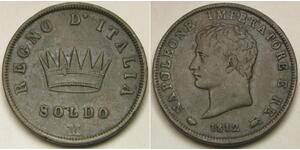
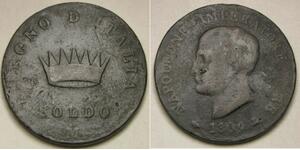
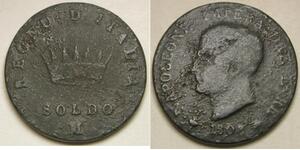
- The Silver Florins and Zloty struck earlier under this autonomous system feature obverse portraits with inscriptions identifying the Tsar styled uniquely for local subjects while reversing designs often showcased eagles or coats of arms that represented pre-revolutionary symbols.
For collectors, these items are significant because they document a specific transition period before World War One redefined the borders of Europe entirely again after 1905. They offer insight into how trade standards shifted between regions that were physically connected by railways yet legally distinct for many years prior to full assimilation.
Cultural Legacy
The legacy found in this region extends far beyond simple dates and denominations recorded on ledgers today. These items tell the story of an identity struggle reflected visually through heraldry and artistic choices made by engravers who balanced their local heritage against imperial expectations.
You can see this tension preserved within the designs that feature traditional Polish imagery before those images were standardized across broader regions without distinct national references for decades to come after these initial years.
For collectors
If you seek items with rich historical narratives and deep significance, exploring numismatics from this territory offers unparalleled insight into how identity is minted onto silver. Their survival in private collections today depends heavily on their rarity as early strikes ceased following 1863 uprisings.
Their continued value lies not only in material worth but the window they provide into a time when political borders shifted dramatically and cultures clashed without modern conflicts defined them by current standards or labels. As we view these pieces under glass cases today, each coin remains an artifact of history where national pride met imperial design to create objects that bridge generations.