| View |
| preceded by | ||||
|
||||
|
|||||||
 Kingdom of Greece (1944-1973)
|
|||||||

| succeeded by | ||||
|

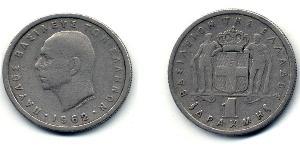
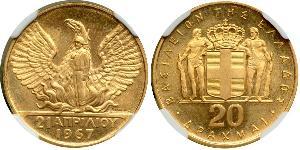
| Kingdom of Greece (1944-1973) | Link to Wikipedia |
Kingdom of Greece: History, Coinage and Collectibles
This article explores the historical tapestry and numismatic legacy of one of Europe’s most fascinating monarchies.
Welcome, friends and collectors. In our continuing journey through the annals of international currency history, we turn our attention to a state that stands as both an ancient heir and a modern pioneer: The Kingdom of Greece. To understand its coinage is to hold in one's hand pieces of marble carved by time itself. This narrative seeks not merely to list dates or catalog values, but to illuminate how these objects reflect the soul of a nation rebuilding its identity after centuries of imperial shadow.
Historical Background
The modern concept of Greece emerged from a fervent struggle for liberation in the early nineteenth century. The Kingdom was not merely an arbitrary political creation; it represented a desperate and successful attempt to restore continuity between antiquity and contemporary nationhood. Upon gaining independence, the new state faced immense economic challenges. Trade routes were insecure, agriculture remained largely traditional, and commerce required a stable currency that could compete with European standards rather than Ottoman tribute systems.
The unification of mainland regions like Epirus and Macedonia brought diverse cultures into one sovereign framework. This expansion meant coinage had to serve not only Athens but also the bustling commercial hubs of Thessaloniki and Piraeus. The economy shifted from a local subsistence model toward shipping, agriculture exportation via olive oil, wine, and silk. This transition required hard currency that retained value against fluctuating international gold markets. Furthermore, because this young state needed to assert its own sovereignty in an era dominated by great powers like Britain and France, the design of their coins became a potent tool of national diplomacy.
Currency and Coinage History
The story of money within these borders began with uncertainty. Initially, currency was unstable as it involved reliance on Ottoman banknotes or foreign silver. The first major shift occurred when Bavarian King Otto took the throne following international intervention to protect European interests in Greece at that time. His arrival brought a Germanic administrative style and imported coinage designs featuring royal profiles rather than national symbols.
Economic Stabilization
The early years were transitional, moving away from complex decimal systems used by neighbors toward simpler denominations for the common populace. As trade with London intensified, silver became increasingly standardized to match British bullion values. Over time, the minting authority shifted focus entirely back toward Hellenic heritage.
Silver Standard
The introduction of a decimal system eventually stabilized commerce significantly. Silver coins were used for high-value transactions involving exports and government salaries, while copper was relegated to daily wages in ports where foreign sailors spent hard currency during trade deals.
Mints and Coin Production
The Royal Mint in Athens served as the primary hub of artistic production throughout the monarchy's existence. While early issues utilized imported dies from Munich or Paris, local craftsmanship flourished under King George I and his successors later on. The choice of iconography was deliberate; it was a visual education for the citizens.
The Role of Iconography
Different mints operated with varying levels of independence regarding metal purity during wartime supply disruptions, yet Athens remained constant in its artistic mission. They moved away from heavy Bavarian ornamentation toward classical Greek realism and neoclassicism that mirrored their own archaeological discoveries.
Metal Availability
Nature dictated production limits; silver shortages led to the use of lower purity alloys for circulation pieces during lean years, yet gold was reserved strictly for investment or state reserves. This scarcity influenced collector value long after the mints were closed in 1974.
Notable Coins
The Gold Drachma Series
This series is widely considered essential for serious collections of Balkan and European numismatics.
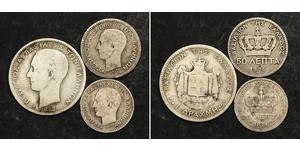
The early gold pieces bear the profiles of Bavarian-born King Otto, yet by the mid-nineteenth century, designs shifted to depict the legendary heroes or classical leaders. The most significant change occurred during George I's reign (1863–1913). His silver coins featured a striking depiction of Athena wearing armor while standing beside an owl.
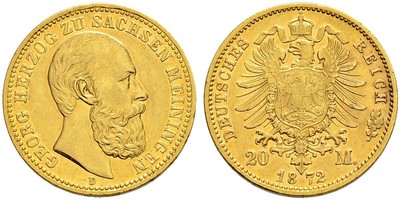
The 20 Drachma gold pieces represent wealth and prestige for collectors who appreciate the high-quality engraving work. These often carried specific mint marks that indicate production volume from Athens or Thessaloniki depending on logistical needs during wartime shortages later in history.
Silver Half-Drachmas
The silver half-drachma features are notable for their fine detail, depicting olive branches symbolizing peace after the turmoil of war. These were commonly exchanged at markets across the Mediterranean basin due to reliable bullion value retention even during periods when other nations' currency fluctuated wildly.
Copper Denominations
Sometimes collectors overlook smaller bronze pieces because they are common, yet they carry significant historical weight regarding rural commerce in villages where barter economy persisted alongside modern banking. These were minted during periods of high inflation when the government needed cheap metal to pay for taxes.
The Early Reign Issues
Distinguishing coins from Otto's time are often difficult due to heavy wear, but those bearing specific Greek inscriptions or unique head profiles differ sharply from later Hellenic designs. These early issues represent the transition phase before Greece fully reclaimed its cultural identity through metalwork.
The Post-War Issues
Later pieces under Alexander and Constantine show a return to classical themes as stability increased in international markets again. Even during times of crisis, these coins served vital social functions within the state structure until independence was established permanently after 1974.
Silver Gold Drachmas
The larger denomination gold coins often feature specific dates that collectors use to date their sets. Their high content made them targets during wartime hoarding or melting, reducing circulation numbers compared to silver issues which survived in greater quantities for public trade.
Rare Bronze Issues
Fewer survive of the bronze series from earlier reigns because they were recycled constantly. Collectors looking for these items must be diligent about condition grades and look specifically at those found with unique edge inscriptions or specific mint marks.
The Late King George II
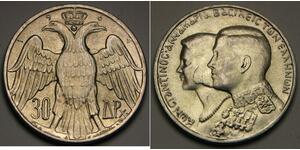
Coinage under the final monarch often featured modern portraits rather than classical mythological figures. However, some rare issues still referenced ancient heroes during national celebrations for Olympic Games anniversaries.
Cultural Legacy
The coin is a mirror of history; here we see how culture persisted through war and peace.
The most important lesson these artifacts teach us today concerns resilience. The Kingdom survived the First World War, occupied territories during occupation years before WWII ended later decades ago when it was abolished as democratic rule took over Europe once again then established by junta briefly followed after that time period finally dissolved monarchy entirely in early seventies.
National Identity
The transition from Bavarian designs to authentic classical imagery tells a powerful story of cultural independence. By using images like the Owl or Peacock alongside olive branches, they communicated their unique connection to mythology rather than just being an extension of Ottoman rule.
Collectors today seek not merely metal value but historical significance and scarcity. Condition is paramount because early issues have heavy wear, yet well-preserved silver remains highly valued due to supply shortages during mid-century conflicts.
Rare Types
Dates with mints marked on reverse or specific mint marks are the most desired for advanced collectors. Condition reports help determine market price as always though not included here today we focus solely historical interest rather monetary value which changes daily based auction house results.
In conclusion, this collection represents a fascinating slice of European history and culture spanning nearly two hundred years. While the monarchy ended in 1974 through popular vote following democratic transition after military rule, these artifacts remain cherished by all who love numismatics today.
We hope this brief exploration has inspired your curiosity about ancient and modern currency alike. These coins are not just objects but pieces of living history worth preserving for future generations to learn from our past triumphs and struggles.