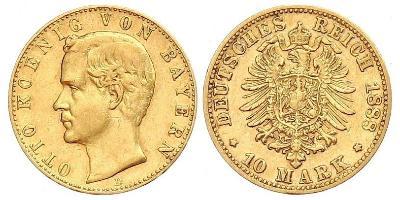
| View |
| preceded by | |
 Duchy of Pomerania-Stettin (1160 - 1625)
|
| succeeded by |
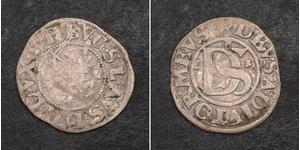
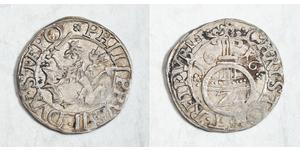
| Duchy of Pomerania-Stettin (1160 - 1625) | Link to Wikipedia |
Duchy of Pomerania-Stettin: History, Coinage and Collectibles
Welcome to an exploration of a realm where trade routes met the Baltic Sea breeze. The Duchy of Pomerania-Stettin was not merely a political entity; it was a vital artery in medieval commerce connecting Central Europe with Scandinavia. For numismatists, this territory offers a fascinating timeline etched into silver and gold. As we examine these metallic artifacts today, imagine standing on the bustling docks of Stettin in centuries past, where merchants traded grain, timber, and salt across frozen or open waters.
Historical Background
The formation of this duchy began as a partitioning process within broader Pomerania. It was initially established around 1160 under Bogusław I, evolving through several phases until it was absorbed back into the unified Duchy in the early modern period before re-emerging again and eventually merging once more by 1625 throughout various dynastic shifts.
The capital city of Stettin served as a cultural crossroads. It sat on the Oder River, providing access to deep-water ports that defined its economic engine. Throughout the High Middle Ages and into the early modern period, the duchy remained within the Holy Roman Empire but maintained significant autonomy under the Griffin dynasty.
The stability of this state allowed for a unique cultural fusion. It was an interface between Slavic traditions to the east and Germanic administrative practices in the west. This duality is visible not only in architecture but fundamentally shaped its monetary policy, which had to satisfy both local markets and wider trade standards involving Hanseatic League partners. The region's economy relied heavily on maritime transport, making coinage a practical necessity rather than just royal prestige.
Currency and Coinage History
The evolution of money in this duchy mirrors the economic demands of a port city that grew out of its reliance on river navigation. Initially, smaller denominations were used for local daily transactions to settle debts owed by farmers or merchants within town walls.
As trade expanded with Lübeck and Rostock, higher silver content coins became necessary. The region participated in the broader Baltic currency circulation known as thalers. When political unity was restored under rulers like Barnim I, efforts were made to standardize coinage across re-unified territories to facilitate smoother commerce.
A critical turning point occurred during the early modern period when religious and administrative reforms influenced iconography on coins. Earlier issues featured traditional crosses or Latin inscriptions common in Catholic contexts. By the time of the third state, established by Barnim XI towards 1532, changes reflected a shifting cultural landscape that included Lutheranism within the Griffin territories.
This evolution demonstrates how government authority and currency were tied together to ensure legitimacy. A well-struck coin carried an endorsement from the Duke in Stettin or Wolgast (other local centers), acting as proof of value against goods arriving by sea barge.
Mints and Coin Production
The minting process was primarily conducted at major urban centers, most notably within the walls of Stettin itself. While smaller mints existed in satellite towns like Greifswald or Wolgast to supply local markets for smaller change coins, the masterpieces were struck under stricter oversight.
Tribunal laws governed how much silver was contained in every piece produced and whether a coin bore specific royal portraits rather than generic saintly figures. Artistic techniques evolved from simple hand-hammering during medieval times into more precise mint presses that allowed for better detail on the relief of crests or inscriptions.
The Griffin coat of arms, depicting two winged beasts supporting a shield, became central to die artistry in Stettin workshops. Craftsmen had significant influence here; they were required not only to be skilled metalworkers but often educated artists capable of rendering complex heraldry that would stand out against the background of trade currency.
Silver purity fluctuated slightly over decades as economic pressure mounted, forcing later mints to strike coins with less silver per piece while maintaining visual consistency. Collectors observe these subtle changes in die wear and metal composition today when examining high-quality pieces from this era.
Notable Coins
To understand the value of collecting Pomeranian-Stettin currency, we must consider three distinct categories that hold historical weight:
- The Early Denar and Groats. Coin types from 13th century partitions often feature simple crosses or griffin motifs on both faces. These coins represent the early administrative structure of statehood when power was being consolidated locally.
- Baltic-Thaler Variants. During the reigns involving Barnim X and Bogislaw XIV, large silver pieces circulated widely among merchant ships traveling upriver to Stettin. The designs on these coins typically show the Griffin standing over a shield with intricate foliage patterns around the rim.
- The Transitional Period Pieces. Coins struck after 1532 reflect religious changes and new artistic trends from Renaissance Italy or Flanders reaching Germany by sea route through Lübeck. These later pieces often carry finer detail in their engravings, showing better quality control which makes them particularly desirable.
The most important coins to collectors are not defined solely by rarity but by historical integrity and design completeness. A well-preserved thaler from the late 16th century might show a ruler facing left wearing traditional armor with specific heraldic marks unique only to Stettin, distinguishing it similarly struck pieces elsewhere in Pomerania.
Cultural Legacy
The coinage of this duchy is less about national glory and more about local identity. Each die tells a story of the Griffin house's claim over specific territories within Pomerania-Stettin, emphasizing that rulership was both hereditary and granted through imperial sanction.
- Heraldry. The Winged Beast is often misunderstood but represents strength in maritime defense against northern pirates. These designs appear on denominations from groats to large silver crowns, unifying trade networks under a single brand of trust.
- Saintly Imagery. Early coins frequently featured St. John the Baptist as a protector for merchants navigating dangerous waters before or after harvest season when coinage needs peaked in autumn markets.
- Linguistic Evolution . Inscriptions shift from Latin to Low German and finally Polish influences later on, showing how language changed alongside political power dynamics within these borders over centuries
The visual legacy remains strong because the artistic styles seen during this period represent a bridge between Romanesque simplicity and High Renaissance complexity. The relief work required for striking thick silver coins in damp weather conditions created unique textures found nowhere else, making them physically distinct to collectors who can see through microscope lens.
For Collectors
The Duchy of Pomerania-Stettin remains important today because it fills gaps in broader European numismatic series. While Germany has vast collections from Brandenburg or Prussia, this specific regional duchy offers unique variations that only collectors seeking completeness will find valuable.
- Rarity. Many pieces survive due to the harsh winters of Baltic ports which preserved buried finds better than warmer southern regions where coins were melted down for reuse often during periods of scarcity later on in 17th century wars.
- Catalog Completeness . Sets can be arranged by reign, showing progression from early partition issues through re-unification phases and final absorption. Each stage is crucial to understanding the political narrative embedded within metal objects held today.
- Aesthetic Value. The detailed craftsmanship of Griffin imagery makes these coins desirable regardless of monetary value alone; their beauty comes directly from historical necessity rather than modern marketing tactics used elsewhere in coin world history.
In conclusion, exploring the metal legacy of Pomerania-Stettin offers a window into medieval trade politics and artistic innovation. The stories locked inside these ancient coins reveal how commerce shaped sovereignty for hundreds of years until they eventually joined broader German states before 1625 final consolidation efforts ended this specific duchy's era as an independent mint operation.