
| View |
| preceded by | ||||||||||
|
||||||||||


 Malaysia (1957 - )
|
||||||||||||
|

| succeeded by |
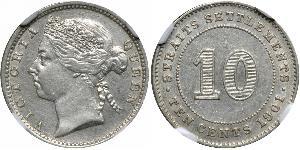
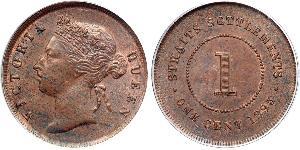
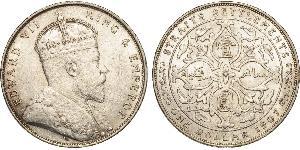
| Malaysia (1957 - ) | Link to Wikipedia |
Malaysia: History, Coinage and Collectibles
Historical Background
The story of Malaysia is a tapestry woven from threads of ancient trade routes, colonial administration, and indigenous resilience spanning centuries before the arrival of modern borders. For collectors seeking to understand value beyond metal content, grasping the region's deep history provides essential context for interpreting numismatic artifacts. At its core, this nation-state occupies an archipelagic chain along maritime silk roads connecting China with India via Indonesia and Thailand.
The economic landscape was historically driven by agricultural exports such as tin from West Malaya (Sabah) before rubber became the dominant export in later decades. Tin was often minted directly into coinage, creating a unique class of local currency tied closely to regional commodity cycles. The administrative shift from Dutch and British spheres established during the late nineteenth century standardized trade practices but left deep imprints on how value moved through hand-to-hand commerce.
Independence in 1957 marked not just political sovereignty but also economic renaissance, as the local population sought to define a currency that represented their own national identity. The unification process and cultural integration created an economy where stability became the primary goal of monetary policy, leading eventually toward independence from colonial banking structures like the Malayan Union Currency Board in subsequent decades.
Currency and Coinage History
The evolution of money in this region mirrors its journey to self-determination. During earlier eras, trade relied heavily on barter systems involving spices, timber, and precious metals carried via ocean vessels from distant lands into local marketplaces for exchange through small denominations like the piastre.
When British influence expanded toward Malaya during late colonial administration periods, silver rupees introduced from India became standard mediums of transaction. However, by 1957 when independence was achieved, there was a pressing need to replace foreign currency standards with locally issued notes and coins bearing national sovereignty symbols. The introduction of the Ringgit as the primary unit facilitated trade in both domestic markets and international exchanges without reliance on sterling exchange rates.
Currency Board reforms occurred throughout mid-1960s when monetary stability was prioritized over traditional silver bullion standards to support emerging manufacturing sectors like electronics processing centers later. These reforms transitioned from colonial-era designs featuring royal portraits into more distinctly national artistic representations of flora and fauna specific only to Southeast Asian ecosystems.
Mints and Coin Production
The production capabilities initially relied heavily upon British Indian mints which handled silver coins for circulation within the region. This practice created a legacy where early issues often shared metallurgical properties or die cuts with broader Commonwealth realms.
As independence progressed, local facilities were established near industrial hubs like Johor Bahru and Kuala Lumpur to manage domestic production demands more efficiently. The transition from external contract mints into sovereign state control allowed for distinct artistic expression tailored toward showcasing national pride rather than imperial loyalty patterns.
A notable aspect of regional minting tradition was the adoption of modern alloy compositions suited specifically for tropical climate durability against corrosion or wear compared to pure silver standards seen in earlier eras. The aesthetic evolution from traditional realism depicting wildlife and landscapes eventually shifted into abstract representation styles during recent decades reflecting contemporary design philosophies while retaining iconic national emblems.
Notable Coins
The first sovereign issues released following independence represent a pivotal moment where colonial history gave way to sovereign self-governance. These initial high-denomination silver pieces featured distinct heraldry representing the union of states, including symbols referencing national identity found nowhere else.
A second significant period emerged during twentieth anniversary celebrations when special commemorative sets were authorized for collectors commemorating progress made since independence dates in 1968 and beyond. Unlike earlier trade token issues these included intricate reverse designs celebrating cultural heritage through depictions of traditional wooden architecture or historical figures who contributed to modern development.
Among the most sought-after specimens are silver denominations released annually during World's Fair exhibitions held around global locations such as Seoul Barcelona where participants displayed miniature versions alongside larger circulating types. Collectors often value these highly because they offer unique artistic license not seen on standard daily circulation issues available at face value markets today.
Later in the timeline, high-grade specimens from initial series have appreciated due to dwindling availability while remaining within legal tender frameworks allowing for continued historical relevance even though modern electronic transactions dominate contemporary commerce now. For example silver proof sets released during early transition periods often retained full luster finish which made them distinct visual markers of statecraft.
Cultural Legacy
The imagery on these coins serves as a mirror to the society that produces it. Religious tolerance and multiculturalism are reflected in choice subjects ranging from Islamic calligraphy found on later commemorative issues alongside traditional Chinese opera motifs or indigenous textile patterns.
Each issue also pays homage to significant historical milestones like formation of national institutions or preservation projects aimed at protecting endangered species endemic only within these borders such as tigers rhinos and elephants depicted frequently in modern design cycles. This careful integration of religious artistry with industrial heritage demonstrates how economic development does not come at cost of cultural roots.
Furthermore the presence of royal seals on earlier series highlights constitutional monarchy traditions embedded within legal frameworks that have guided governance for decades while current issues showcase diverse linguistic representation across languages spoken throughout urban centers without privileging single script over others.
For Collectors
This nation's coinage offers a rich historical narrative suitable even for those not interested in modern market fluctuations. The transition from colonial dependency to independent sovereignty provides context that enhances appreciation of early issues found within estate sales or antique markets abroad.
Taking care ensures longevity by keeping specimens clean rather than cleaning them which damages patina layers naturally forming over time and preserves original artistic intent embedded into surface finishes during manufacturing cycles originally intended for mass distribution purposes not private hoarding alone.
- The historical significance of silver issues from 1957 onwards makes them valuable educational tools
- Estate purchases offer opportunities to find complete sets representing economic milestones
- Proof examples demonstrate high craftsmanship standards achieved during transitional eras before modern mass production methods took hold completely.
Focusing on these pieces preserves memory of trade history and cultural identity while supporting communities engaged in preserving tangible heritage associated with ancient maritime routes connecting East Asian civilizations today. Ultimately collecting serves as an act of stewardship for artifacts bearing witness to centuries of development that shaped modern Southeast Asia.


