| View |

 Tajikistan (1991 - )
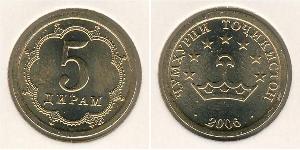
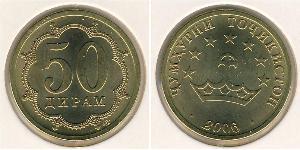
| Tajikistan (1991 - ) | Link to Wikipedia |
Tajikistan: History, Coinage and Collectibles
Welcome to a journey through the rich heritage of Tajikistan, often referred to as "The Land of Mountains" by visitors from across Central Asia. As we examine this region today, it is essential for every collector and history enthusiast to understand that while modern borders are clearly defined in maps, numismatic stories often trace back much further into antiquity. The coinage associated with Tajikistan represents a unique intersection where ancient cultural legacies meet the administrative needs of modern trade.
Tajikstan occupies an extraordinary geographic position at the crossroads of civilizations, nestled within the Pamir Mountains and connected by vast corridors leading to China in the east and Iran in the west. For millennia, this territory has been a vital artery along the Silk Road where merchants exchanged goods ranging from silk to jade. This geographical dominance was not merely passive; it actively shaped regional economics. The mountains provided natural defense but also dictated trade routes that required reliable mediums of exchange for caravans traversing harsh environments.
The historical landscape here is dominated by Persian cultural heritage, which distinguishes Tajikistan from its northern neighbors who often leaned more heavily on Turkic traditions. This linguistic and artistic continuity can be traced back to the Samanid dynasty's era in the tenth century. The region served as a bridge for scholars traveling between Baghdad and Chang'an City. Consequently, coinage found within this area reflects influences not just of local minting but of larger empires that controlled these routes.
Currency and Coinage History
To understand the monetary systems of Tajikistan today, one must appreciate how trade evolved here over centuries. In early times following the Islamic expansion into Central Asia, silver dirhams became the dominant currency for internal commerce and long-distance exchange within this region. The standardization of these currencies facilitated a booming economy between Persia, China, and India.
During the late nineteenth century and early twentieth century, much of modern Tajikstan's territory came under Russian Imperial administration before entering Soviet governance. During the Soviet era, paper rubles replaced most coinage found in this part of Central Asia due to industrialization efforts that favored fiat money for trade volumes exceeding what coins could handle easily by hand.
The transition from local currency systems to a unified monetary standard occurred during these imperial periods when centralized mints began supplying goods across borders. When the region gained independence after 1990, new national currencies were issued to symbolize sovereignty over historical territories and distinct cultural identities that survived centuries of administrative shifts.
Mints and Coin Production
The production centers for coinage in this area have historically been tied to regional stability. While early Islamic mints operated further west or east depending on political control, the modern era saw production facilities established within Dushanbe as a national capital following independence from Soviet administration.
Minting traditions here reflect global standards of metal purity but incorporate distinctive local motifs that are critical for identification by serious numismatists. The artistic characteristics often include depictions of ancient mountain ranges and symbols representing the historical connection to Persian civilization, such as stylized architectural ruins or traditional cultural artifacts related to silk spinning.
Techological evolution in these mints moved from heavy relief strikes common in early Soviet metal currency issues toward more precise modern designs that showcase advanced engraving techniques. Collectors today should appreciate how each design revision mirrors the shifting priorities of state development, particularly when commemorating anniversaries or introducing new denominations intended for international trade.
Notable Coins
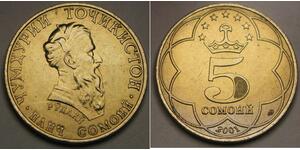
Among the most historically significant items found in private collections are high relief silver pieces minted during transitional periods that bridge Soviet history and modern independence. These particular issues often feature bold imagery of local leaders or national symbols such as the State Flag with red coloration representing revolution.
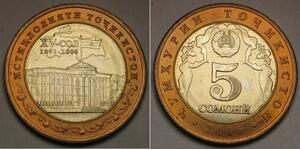
Another key category involves commemorative coins issued to mark centenaries for famous historical sites like Panjakent, an ancient Sogdian town known for its architectural beauty preserved today. These pieces offer insight into how modern collectors engage with heritage tourism and preservation efforts without relying on technical catalog numbers that fluctuate daily in value markets.
For those interested in early circulation items from the immediate post-independence era, silver denominations featuring national heroes serve as excellent study objects regarding artistic representation of historical narratives. These issues often include reverse sides showing cultural landscapes or agricultural symbols vital to a mountainous economy dependent on terraced farming.
Cultural Legacy
The imagery selected for coins released in recent decades reflects the deep roots Tajikistan possesses within Sogdian and Persian history. Symbols used frequently across these designs are not arbitrary but rather represent specific historical achievements or natural landmarks that define local identity.
Economic independence allowed the state to choose symbols emphasizing peace, stability, and artistic heritage rather than strict industrial output seen during earlier periods of rule under foreign powers. This shift allows for a broader appreciation among collectors who seek pieces depicting mosques with intricate geometric patterns or representations of traditional poetry recitation found in cultural festivals.
The legacy is also preserved through high-quality finishes used on these modern issues, ensuring longevity even when exposed to varying environmental conditions that travelers experience along the Silk Road routes. Collectors should appreciate how careful consideration given by minting authorities ensures these pieces remain relevant symbols of national culture rather than transient currency replacements discarded for new designs.
For collectors
The numismatic potential here remains significant due to a combination of cultural preservation efforts and the historical weight attached to early independence era issues. While modern coins are often common in circulation, limited releases commemorating specific anniversaries or natural beauty contests may yield higher interest for enthusiasts with space constraints.
Collecting these items offers more than investment value; it provides tangible connection points between ancient trade routes and contemporary national sovereignty efforts visible today on museum displays across the region. By examining designs that depict traditional clothing, landscapes of mountain passes traversed by caravans, or historical sites excavated over recent decades in archaeological contexts.
Focusing attention on design quality rather than speculative pricing provides a more authentic experience for those building personal libraries focused on Central Asian heritage. As the region continues to stabilize economically and culturally, new issues will emerge reflecting current national priorities that future generations of students or tourists may study alongside these historic pieces preserved in secure environments around the world.