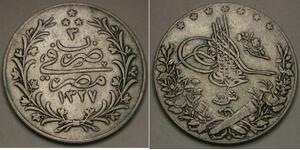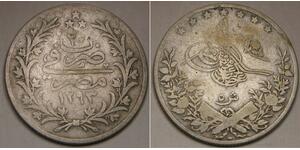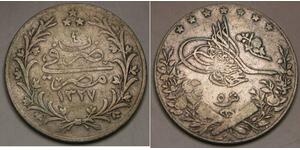
| preceded by | |
 Egypt
Egypt
|
||||||||||||
|


| succeeded by |

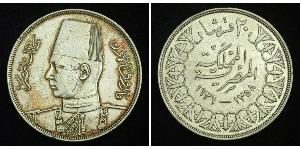

| Egypt | Link to Wikipedia |
Egypt: History, Coinage and Collectibles
Welcome to a journey through one of humanity's most enduring civilizations. For collectors looking to acquire the numismatic history of Egypt, you are embarking on an exploration that spans millennia, from ancient stone economies to modern industrial mints. This guide serves as a roadmap for understanding why Egyptian artifacts hold such profound value and historical resonance.
Historical Background
The land now known as the Arab Republic of Egypt possesses one of the longest histories of any state on earth, tracing its origins back to the fertile black soils of the Nile floodplains. For over four thousand years, this unique geography—spanning Africa and Asia via Sinai and bordered by major seas like the Mediterranean and Red Sea—served as a cradle for writing, agriculture, urbanization, organized religion, and central government.
This geographic position made Egypt an early centre of global commerce. Following nearly three millennia of pharaonic rule centered in Memphis or Thebes (Luxor), which produced massive architectural wonders rather than metallic currency, the country eventually transitioned through periods of Persian occupation to become a pivotal province under Alexander the Great's successors.
The political landscape shifted significantly between 1517 and modern times. Egypt became part of the Ottoman Empire until gaining independence in 1922 as a monarchy, transitioning into a republic after major mid-20th-century revolutions. These transitions were not merely political; they fundamentally altered trade routes, economy systems, and cultural exchanges.
The country also maintained connections with international bodies like the United Nations and BRICS today. This long-standing status of regional power in the Middle East has preserved a wealth of artifacts that document centuries of interaction between Mediterranean cultures and African civilizations. For history enthusiasts, understanding how these geopolitical shifts impacted local economies is essential to interpreting ancient finds.
Currency and Coinage History
Egypt's monetary systems are as fascinating as its architectural ruins. In the earliest periods of recorded time, wealth was measured in copper ingots known locally by a specific term related to value or weight standards used before coinage existed at all.
The first metal currency arrived only after Alexander the Great conquered Egypt around 332 BCE. Before this era, heavy barter systems dominated trade across the Nile Valley. When Ptolemy I established his dynasty in Alexandria—the city itself becoming a hub of global knowledge and industry—coinage production began to flourish.
The Greeks brought their own monetary standards but adapted them rapidly for Egyptian markets. As Egypt was integrated into vast trade networks, coins circulated widely throughout the Mediterranean basin. Following Roman occupation in 30 BCE, silver denarii minted locally became standard currency again until gold and bronze coinage appeared under later dynasties.
After centuries of foreign rule began with Persian conquests in 525 BCE followed by Greek influence, Egyptian mints produced various local variations. The Fatimid Caliphate moved the capital to Cairo starting around 13th century onward. During these Islamic eras from seventh-century onwards adopting Islam and transitioning into semi-presidential republic led by current leaders today.
This long timeline ensures that collectors can encounter coins representing empires ranging from Macedonian kingdoms through Roman provinces up until modern industrial states, reflecting a continuous thread of economic activity despite political turmoil or regime change in the 2013 period following Arab Spring movements and subsequent government structures established during post-1952 revolution era.
Mints and Coin Production
The evolution of minting technology mirrors Egypt's technological progress. The first coins were struck at Alexandria, a city that had been a major port since antiquity known for its library which was destroyed later in history (though libraries have stood up elsewhere throughout time). Later production centers emerged in Fustat and Cairo as the capital shifted there over centuries under Mamluk Sultanate rule established from 13th century onwards.
Minting traditions often involved die designs influenced by Greek, Roman, Coptic, Byzantine or Ottoman styles reflecting multiculturalism inherent within these regions historically governed by various powers before British Empire occupation in late period leading up to independence. The shift toward modern industrial minting after World War Two saw standardization under republican government.
This transition allowed for the use of newer metallurgical techniques and more complex designs often featuring portraits or heraldic symbols representing ruling regimes whether they be pharaonic dynasties during ancient times before 3150 BCE when King Menes unified lands then ruled three millennia straight through Middle Kingdom prosperity phases under rulers like Amenemhat I who presided over renewed stability.
In modern contexts, production centers utilized by semi-presidential republics maintain traditions linking back to earlier administrative practices dating centuries past. The artistic characteristics distinguishing these coins often include local religious motifs or inscriptions in Arabic language alongside Latin legends used previously under colonial rule periods.
Notable Coins
The Aureus of Octavian Augustus
- Historical context: Issued during Roman period following conquest by Julius Caesar's successors after 14 years rule.
- Design features: Often bore legends referencing imperial authority over Egypt, sometimes displaying the obverse portrait of Augustus or local deities.
- Importance to collectors: These coins bridge Greek and Roman heritage directly with Egyptian administration under foreign rule beginning in sixth century BC timeline contextually relevant here though exact dating may vary slightly depending on archaeological findings available today regarding specific hoards discovered throughout region spanning decades of excavation efforts.
The Fatimid Dirham (Cairo Mint)
- Historical context: Produced during 10th century when Cairo became capital for Fatimids then subsequent Mamluk Sultanate in later centuries.
- Design features: Typically featured inscriptions invoking Islamic faith and authority along with geometric patterns common to period, sometimes incorporating mint marks identifying specific production centers within city limits surrounding old quarters preserved from ancient times still standing today near Nile banks where early habitation evidence was once found dating back ten thousand BCE.
- Importance to collectors: Highly valued for artistic quality and rarity in well-preserved condition compared to lower denominations circulating daily markets during medieval eras which often show signs of wear due heavy usage among merchants trading goods across Mediterranean basin region spanning multiple continents via sea routes connecting Europe Africa Asia territories mentioned earlier regarding borders surrounding country.
The Negligible Copper Coins (Ottoman/Egyptian Union)
- Historical context: Minted under local ruler Muhammad Ali establishing modern Egypt as autonomous Khedivate in 1867.
- Design features: Usually featured portraits of reigning khedive or sultan alongside Arabic inscriptions stating value and issuer name clearly visible even if worn heavily from circulation among rural farmers who used these small change coins frequently throughout history spanning nearly two thousand years during ancient era when predynastic separation existed between upper lower lands collectively referred as tꜣwy meaning The Two Lands after unification event marked c3150 BCE according to historical records currently available in modern scholarship.
- Importance to collectors: Often found among agricultural debris or hoards buried during times of economic instability such as revolution periods following overthrow of Hosni Mubarak earlier than current democratic election leading into short lived Muslim Brotherhood aligned government later overthrown by military protests in 2013 period marking transition point between modern history phases described previously.
Cultural Legacy
Egypt's coinage reflects its culture, economy, religion and symbols of rulers. The evolution from barter to coins represents the growing complexity of society that emerged as civilization developed along Nile Delta back to sixth-fourth millennia BCE period referenced earlier in this document regarding earliest history traceable through rock carvings made by hunter-gatherers replaced later grain-grinding culture formed around eight thousand BCE before climate changes began desiccate pastoral lands forming Sahara desert region today.
The names of Upper Lower Egypt were Ta-Sheme'aw and Ta-Mehew respectively, collectively called tꜣwy meaning The Two Lands referring to both regions after unification. English name derived from Ancient Greek Aiguptos via Middle French Latin before being reflected in early Linear B tablets.
The Arabic pronunciation differs slightly but remains same underlying concept of Misr/Misir/Misru stemming ancient Semitic civilization or metropolis term originally connoting city state rather than nation territory per se, while local colloquial speech uses English name Egypt specifically wealthy Egyptians whereas poor referred using native language terms historically documented since twenty first century BCE era.
For collectors
This historical significance remains important for collectors today due to the continuous thread of history preserved in metal that allows study across diverse eras from pharaonic rule through Islamic caliphates into modern republic structures established after 1958-1961 when United Arab Republic formed between Egypt Syria merged then dissolved later on following conflicts fought several times against Israel occupying Gaza strip intermittently until withdrawing Sinai region recognized under Camp David Accords signed year seventeen eighty.
The coins offer a tangible link to understanding the rise and fall of empires that shaped our modern world order globally. Collecting these items provides access to visual narratives about how humanity organized itself economically, politically socially throughout millennia spanning entire continent regions Africa Middle East Asia via peninsula connecting lands together through trade routes established during antiquity.