| View |
| preceded by | |
|
|||||||
| Western Chalukya Empire (973 - 1189) | |||||||
| succeeded by |
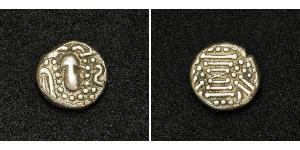
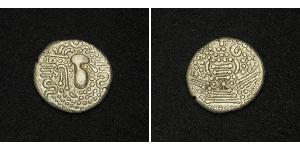
| Western Chalukya Empire (973 - 1189) | Link to Wikipedia |
Western Chalukya Empire: History, Coinage and Collectibles
Welcome explorers of ancient metallurgy and history to a journey through one of South India’s most resilient dynasties. Today we turn our attention to the Western Chalukyas, often referred to as Kalyani Chalukyas in later historical texts for their capital shifting eastward from Badami after internal consolidations began around the tenth century.
To understand these coins requires understanding the vibrant Deccan plateau during a period of transition following the decline of imperial Rashtrakuta power. While often overshadowed by more politically expansive empires like those of Delhi or Mughal India, this dynasty stands as a critical link between early Indian trade networks and later medieval consolidation in Karnataka.
Historical Background
The story begins amidst the shifting sands of political power on the Deccan plateau. Following centuries of rule by preceding dynasties such as the Kadambas, Chalukyas rose to prominence with a focus not only on military expansion but also deep cultural patronage.
The heartland was largely centered around what is now Karnataka and portions of Andhra Pradesh. Their capital eventually moved from Badami eastward through various cities before settling at Kalyani later in their tenure, signifying the shift of economic gravity toward the river Godavari region. This geographical pivot transformed them into key intermediaries between the Tamil kingdoms to the south and the northern plains across the Narmada river.
A crucial aspect influencing their numismatic legacy was their engagement with maritime trade routes connecting India to Southeast Asia, including Burma, Sri Lanka, and Sumatra. By controlling ports along these shipping lanes, they facilitated not just movement of goods but also cross-cultural exchange involving gold and silver flows that necessitated standardized currency.
Their political consolidation coincided with a significant religious renaissance known as the ‘Bhakti’ period where temple construction flourished. This era saw massive funding directed toward stone monuments, which often required substantial liquidity management through coinage systems rather than solely land grants and in-kind taxes.
Currency and Coinage History
The evolution of money within this region reflects the unique economic environment of ancient India where barter using cowries coexisted with heavy metal currency for international trade. Unlike some northern Indian regions that relied heavily on gold coins, Western Chalukya monetary systems were characterized by a mix of copper and silver pieces used primarily in local commerce while larger denominations handled imperial treasury payments.
During their reigns beginning the tenth century onwards, significant reforms stabilized currency circulation to support temple economies. The state needed reliable revenue sources for irrigation projects on major rivers like Krishna and Tungabhadra which required labor organization paid sometimes via metal tokens or coinage allowances known locally as ‘kamata’. This administrative sophistication is mirrored in the precision found within surviving minted issues today.
Major periods of production generally aligned with specific royal namesakes such as those bearing titles like ‘Vijayaditya’, though identifying every coin by exact regnal date proves difficult due to lack of standardized dating methods common in Europe at this time. Instead, coins bore religious iconography or legends tied directly to the reigning monarch.
Mints and Coin Production
Inscriptions on surviving artifacts suggest royal workshops operated across multiple urban centers close to capital territories where skilled artisans lived under imperial patronage. The production technology employed combined local traditions of alloying copper with lead or tin, creating durable coins that resisted corrosion during long-term burial.
What distinguishes Western Chalukya coinages from contemporaneous dynasties is the artistic style found in their relief depictions and inscriptions often written in Grantha scripts which were heavily influenced by Sanskrit liturgical literature. Artistic characteristics included bold, frontal profiles of deities or rulers rather than idealized portraits common in Greek-influenced Asian coins.
Mint marks sometimes appear within the design fields indicating workshop origins though these are rare compared to later periods. The craftsmanship reflects a blend of Indian iconography where traditional motifs such as lotuses and conch shells symbolize spiritual purity associated with Vaishnava worship prevalent during this period which heavily influenced state religion policy.
Notable Coins
Certain types within the collection have garnered interest from serious collectors who seek pieces that narrate specific moments of imperial authority. Below are a few highlights often sought after in private auctions or curated collections today:
- The Vishnu Narasimha Types: These coins feature images where divine avatars protect the realm against demons, symbolizing royal duty and protection over subjects while utilizing gold for high denomination pieces that circulated primarily among merchant elites.
- The Copper Padakas with Garuda Legends: Smaller silver or copper issues bearing names of deities like Vishnu riding his mount. These were everyday circulation coins showing fine relief detailing despite being smaller in size, making them ideal first specimens for new collectors studying trade economics of the era.
Each specimen offers a window into how wealth was measured when gold bullion moved through temple treasuries before being converted back to metal units required by farmers and artisans working on state infrastructure projects funded via these very coins issued decades ago or even centuries prior.
Cultural Legacy
The coinage of this dynasty serves as more than a simple monetary unit; it functions today as historical testimony. The legends often praise the king’s piety, linking temporal rule with divine favor through imagery on face side or reverse fields where symbols appear alongside scriptural verses.
This reflects broader cultural values in society during these centuries where religion and politics were indivisible under one sovereign authority managing temple endowments. The preservation of scripts across generations also allowed later dynasties to read records written hundreds of years prior, creating continuity not broken by foreign invasions until the twelfth century.
Fine craftsmanship demonstrated in die-cutting processes reveals mastery over metallurgy despite limited industrial machinery compared to modern times. Even small imperfections found on edges suggest manual hammering techniques typical before widespread adoption of stamped dies for mass production across vast territories without centralized control.
For collectors
The Western Chalukya dynasty remains a vital topic within numismatics because its pieces fill a specific historical gap. For those who appreciate South Asian history and rare ancient metal currency, these coins offer tangible connection to the Deccan plateau’s complex trade networks.
Acquiring such artifacts provides an opportunity to hold objects that once facilitated economic exchange along maritime routes connecting Indian Ocean civilizations. Collectors should consider condition carefully since patination on copper issues can reveal long-term burial history while gold pieces require preservation against environmental factors if not housed properly in climate-controlled environments suitable for historical artifact storage.