| View |
| preceded by | |
| Ancient India (-8000 - 550) | ||||||||
|
| succeeded by |
| Ancient India (-8000 - 550) | Link to Wikipedia |
Ancient India: History, Coinage and Collectibles
Historical Background
The land known today as the Indian subcontinent possesses a civilizational depth that predates most other recorded histories. From the earliest riverine settlements along the Indus valley to the sprawling imperial centers of the later centuries, this region has served not merely as a cradle for culture but as a pivotal hub in global connectivity. The trajectory from prehistoric settlement through the Vedic era and into the Mauryan expansion established a framework where statehood and economy became intertwined with artistic expression.
This ancient civilization evolved alongside some of humanity's most significant philosophical movements, including Hinduism, Buddhism, and Jainism. As communities grew in complexity following the decline of early urban centres during the first millennium BCE, political authority consolidated into vast kingdoms that sought to regulate commerce effectively. The geography played a fundamental role; monsoon winds connected distant lands via maritime routes across the Indian Ocean, while overland caravan tracks traversed the northern passes connecting India with Persia and Central Asia.
The economic landscape necessitated standardisation of value as trade networks expanded beyond local barter systems. While early economies relied on shells or unmetallized goods, social complexity demanded tangible tokens of wealth that could be moved easily across great distances without degradation in authority. Consequently, the state often intervened to mint currency, using metal resources found locally and traded through diplomatic exchange with neighbours such as the Hellenistic west.
Currency and Coinage History
The transition from token-based wealth distribution to metallic coinage marked a monumental shift in South Asian economic history. Early forms of value often involved weighing bronze or copper ingots, but these were cumbersome for international merchants. Around the sixth century BCE, the need for portable currency became evident as local states competed with larger empires like Magadha.
The Mauryan period represents a crucial watershed in monetary evolution where punch-marked systems evolved into more standardized production methods that would later influence regional dynasties across southern and eastern India. This phase was characterized by the introduction of stamped currency alongside weight-based balances found at marketplaces known as 'gudha'. By the time trade intensified with Hellenistic powers, coinage took on new dimensions.
Coin production served not only commercial functions but also political legitimacy for rulers who commissioned dies bearing their names and regnal symbols. The evolution of monetary policy allowed monarchs to project power over territories that extended thousands of miles across varied terrains. As the Gupta empire rose later in this period, a resurgence of gold minting occurred which had been suppressed by earlier invasions from Central Asian powers.
Mints and Coin Production
In understanding ancient Indian numismatics, one must appreciate that coin production was rarely centralized in modern sense. Instead, major urban centres functioned as mints where skilled artisans worked under royal commission or private patronage. These locations included the imperial capital of Pataliputra during earlier eras and later shifted to regional hubs like Ujjain.
The manufacturing technology relied heavily on two primary techniques: punch-marking for copper alloy issues common in the pre-Kushan era, and full striking methods introduced by Indo-Greek influence. Artisans hammered dies containing images of animals, gods, or royal portraits into metal blanks to create finished pieces that circulated widely.
Silver was less commonly found in ancient India compared to gold and copper due to scarcity within the subcontinent's geology leading reliance on external sources for precious white metals. Bronze remained a staple medium but high-value transactions demanded gold coins which were produced with extraordinary precision reflecting advanced metallurgical knowledge of that time.
Notable Coins
The Punch-Marked Coinage:
- These are perhaps the most iconic representatives from early imperial periods. Often cast in copper alloy, these pieces bore various geometric symbols representing purity or weight standards before being stamped with official insignia.
The Indo-Greek Drachm:
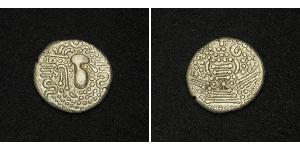
- This type demonstrates the fascinating cultural fusion that occurred on subcontinent borders. Issued during periods when Greek rulers held influence in North West India, these silver coins featured portraits derived from Hellenistic art traditions paired with local script and iconography.
The Kushan Gold Dinar:
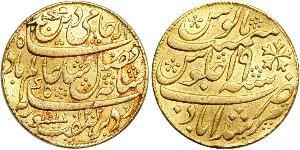
- Minted under the ambitious kings of Central Asian descent who consolidated power across Northern India. These heavy gold pieces often depicted royal figures or mythological beings, establishing visual continuity with Roman coinage while incorporating Buddhist motifs on reverse fields.
The Gupta Gold Mohur:
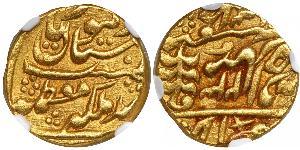
- Rulers like Samudragupta and Chandragupta produced magnificent issues that showcased artistic maturity. These coins served as propaganda tools displaying military conquests while simultaneously promoting religious tolerance evident in diverse iconography on their surfaces.
Cultural Legacy
The numismatic record acts as a visual archive reflecting the broader cultural aspirations of ancient societies. On many specimens, you can observe how artists blended deities from Hindu pantheons with Hellenistic style aesthetics to create hybrid forms of divine imagery that spoke to multiple audiences.
Economic stability allowed artisans to experiment further with artistic expression through metal mediums which became portable representations of wealth for individuals and states alike. Even when political power shifted or dynasties collapsed, the craftsmanship remained resilient ensuring traditions persisted over centuries before being adapted by successor regimes in medieval times.
For collectors
The allure of collecting ancient Indian currency lies primarily in its narrative capacity to bridge diverse civilizations that once interacted through commerce and diplomacy. Each piece tells a story about where it was cast, what materials were available at the time, and how political authority projected itself upon metal surfaces for public consumption.
Rarity plays an important role as well because survival rates vary dramatically depending on whether coins circulated in coastal trade zones versus inland administrative centers preserved through centuries. For enthusiasts interested in numismatic artistry without heavy focus on specific catalog data pieces provide excellent opportunities to study design evolution alongside historical texts that reference minting practices.