| View |

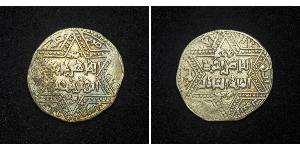
| Ayyubid dynasty (1171 - 1260) | Link to Wikipedia |
THE AYYUBID SULTANATE OF EGYPT: History, Coinage and Collectibles
Historical Background
To understand the coins of this era is to hold in one's hand a story that bridges the decline of one world power with the rise of another. The Ayyubid dynasty does not begin merely as a ruling family; it begins as a political earthquake in Cairo and Damascus during the late eleventh century. At its heart stands Salah ad-Din, known universally as Saladin. Before he became Sultan, his life was intertwined with shifting allegiances that transformed Egypt from a fragmented Fatimid stronghold into the first modern sultanate of North Africa.
The region entered this period under significant economic pressure. The Crusader invasions had fractured trade routes between Europe and the East. Saladin’s genius lay in unifying these territories to secure commerce again, moving silver and gold from Damascus through Egypt rather than allowing it to stagnate in isolated feudal fiefdoms. This centralization was not just about military might; it necessitated a robust monetary system that could pay standing armies, fund the massive construction projects like the Citadel of Cairo, and manage taxes collected from diverse regions ranging as far south as Nubia.
The dynasty's rise marked a cultural pivot point for Egypt. The Fatimids were Ismaili Shia rulers who often issued coinage in Persian or Greek styles with complex iconography reflecting their unique religious hierarchy. Saladin abolished this regime, establishing the Sunni Abbasid order as supreme within his realm. This shift was not merely theological but aesthetic and numismatic; it required a new visual language to legitimize rule without using images of people (which is forbidden in Islamic orthodoxy), relying instead on intricate calligraphy that spoke directly to religious piety.
Economic Context
The unification meant Egypt became the dominant economic hub. However, this prosperity had a flip side for collectors: scarcity. The Ayyubid rule over the Egyptian core lasted less than fifty years before their power was eclipsed by military slaves (Mamluks). This brevity makes later issues of the dynasty exceptionally rare in high grade. Coins found today often represent moments where Saladin or his successors tried to impress foreign traders, particularly Venetians and Genoese visiting Alexandria.
Currency and Coinage History
The monetary evolution under the Ayyubids was driven by necessity rather than mere vanity. The Fatimids had relied heavily on copper issues due to a lack of precious metals in their treasury. Saladin sought legitimacy with his new regime, necessitating high-quality silver dirhams for internal commerce and gold dinars for international prestige trade.
In the early years following 1171, there was a significant fluctuation in monetary standards as Egypt grappled to match its neighbors on Syria. The standard currency included the Dirham (silver), which was used extensively for paying soldiers and small commerce due to silver's ubiquity from Central Asian trade routes. However, copper coinage dominated daily life.
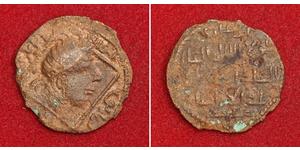
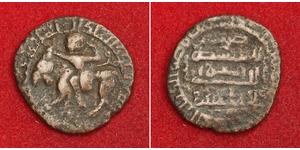
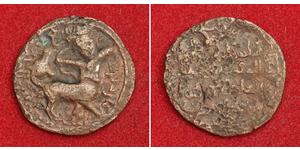
The "Fals" (or Qirsh) served as essential low-value change. While common in other periods, high-quality Fals minted by Saladin are prized for their sharp strikes and use of Quranic verses rather than just the standard names of rulers seen on copper issues of later eras. During his reign and that of al-Zahir Ghazi, silver dirhams became a critical tool to restore Egypt's balance against debased currency from Sicily or Italy.
The Role of Coinage
Coinage was the medium through which the new state presented itself. Saladin's coins often bore names that reflected his service and subsequent independence, transitioning titles from "Amir al-Mu'minin" (Commander of Faithful) to full Sultanate designations. This evolution is recorded literally on every surviving piece.
Mints and Coin Production
Egypt had three primary mints under the Ayyubids: Cairo, Alexandria, and Aswan. However, Syria also saw production at Damascus, Aleppo, Hama, and Mosul. The separation between these regions meant that a coin from Damascene might have no relation to one minted in Egypt.
Cairo
The Cairo mints were known for their conservative artistry but distinct script styles derived heavily from the Abbasid calligraphic traditions. Artisans worked with gold and silver, employing techniques that ensured a high standard of purity which facilitated international credit transactions.
Alexandria
Closer to Europe, Alexandria’s mints required designs attractive enough for foreign exchange but safe from religious criticism back home. Consequently, we see the "Kufic" script style prevalent here—straight lines and sharp angles—serving as a stylistic barrier between Islamic orthodoxy and Byzantine influences.
Minting Traditions
Ayyubid coins often lack bust-portraits. Instead, they rely on the "Nominative Style" (using calligraphy to describe the ruler) alongside Quranic invocations such as verses from Surah Ar-Rum or Al-Fatiha. This was not just an artistic choice but a political necessity in a land where visual representation of living persons could invite accusations against religious orthodoxy.
Notable Coins
The Ayyubid coinage catalog offers collectors several fascinating pieces that serve as snapshots of the dynasty's trajectory:
- Saladin’s Early Silver Dirham (1174):
- This is perhaps the most historically significant coin. Mints it during his first year in Egypt after taking over from Shawar.
- Currency Context: This silver piece served as a bridge between Fatimid copper and Abbasid gold systems, effectively rebranding Egypt's economy to suit Saladin’s political needs rather than the old caliphal hierarchy.
- The Ayyubids were also known for specific artistic traits such as placing their names within elaborate Arabic calligraphic circles (rub el hizb) in silver and gold coinage. These coins are rarer because they were typically reserved for diplomatic gifts or high-value transactions, whereas common trade relied on the copper.
The "Fals" Copper Coin
Cultural Legacy
The coins leave behind a legacy in their very design: a reflection of an empire attempting to balance local tradition with international prestige. Saladin's rule was marked by "Arabization" rather than purely Kurdish identity, which appears visually on his coinage through the use of pure Arabic script and titles that linked him directly back to Umayyad lineages.
Religion
Symbols and Artistic Style
This period introduced a stylistic fusion where Persian artistic elements—such as floral arabesques representing paradise gardens—were integrated into Islamic numismatic traditions. This synthesis is visible on every surviving Ayyubid silver coin from Cairo or Damascus.For collectors
The Ayyubid era remains a cornerstone in the field of early medieval Middle Eastern history coins for several reasons: The dynasty's transition marks one of history’s most famous "political pivots"—the shift away from Fatimid power to Mamluk dominance. Collectors today are drawn not just by scarcity, but because these coins document how Saladin unified Egypt and Syria against a backdrop that has shaped the modern Islamic world.
The rarity of high-quality silver dirhams makes them particularly desirable for serious numismatists looking at 12th-century currency. While copper pieces are more common in circulated condition, examples featuring Quranic inscriptions (surahs) rather than standard names represent a specific tier of importance and historical prestige that can be found on the auction market today.
The "Kurdish Regime"
In medieval sources, these were often called Kurdish regimes. Today, collectors may find issues minted in Dvin or Tikrit bearing distinct local markings before Saladin even entered Egypt. These earlier coins connect the roots of Rawadida Kurds to the major political shifts that defined the Middle East.