| View |

 Travancore (1102-1949)

| Travancore (1102-1949) | Link to Wikipedia |
# Travancore: History, Coinage and Collectibles
Welcome collectors and history enthusiasts to a journey through the vibrant world of Travancore. This kingdom occupies a significant place in South Asian monetary history not merely as an administrative region but as a cultural beacon along the Malabar Coast. As we gather our coins around us today, it is essential to understand that each silver or gold disc was far more than currency; they were vessels of faith and trade for one of India's most prosperous states during the late colonial era.
## Historical Background
The history of Travancore began with a period where local chieftaincies often relied on tribute systems rather than centralized monetary control. This shifted dramatically under Marthanda Varma, who ascended to power in the mid-eighteenth century by consolidating territories and unifying the southern coastal region between 1743 and 1759. His military successes were not merely for conquest but established a stable economic zone essential for international commerce involving pepper, cinnamon, and cardamom. These spices necessitated robust trade agreements with Arab nations in the Persian Gulf as well as European powers like Portugal and England.
As Travancore expanded its borders to include areas along the backwaters of Kochi (Cochin), it positioned itself at a crucial intersection where global maritime routes met local transport networks. By 1790, when he established formal alliances with Great Britain for mutual defense against rival kingdoms in the south like Mysore and the French East India Company interests nearby, Travancore had transformed into an economic powerhouse that required sophisticated internal tax collection systems to fund its bureaucracy.
The political evolution of the region is critical for numismatics because stability allows for consistent coin production. During this period of consolidation following Marthanda Varma's reign through his successors such as Sree Moolam Thirunal and later Maharaja Chithira Thirunal, the kingdom sought to maintain sovereignty in its iconography while integrating into broader British monetary systems by adopting standard silver denominations that matched those used elsewhere.
## Currency and Coinage History
The early economies of Kerala operated with various forms of currency including indigenous gold pieces called Tahsil or Tanna along with copper tokens. However, the demand for trade efficiency in ports like Calicut (now Kozhikode) and Kochi drove a shift toward silver standardization by the turn of the nineteenth century. This transition reflects how local governance managed monetary reform without completely severing ties to regional traditions.
By 1800, the Travancore administration began utilizing specific designs for their sovereigns and subsidiary coins that carried both traditional symbols such as elephants or floral motifs alongside regalia depicting the royal family crest. While these pieces often bore legends in Malayalam script indicating the denomination of cents equivalent to rupees used throughout British India at large. The introduction of English inscriptions later marked a transitional era when local monarchs began adopting colonial minting standards which eventually led to their coins being struck under Bombay or Calcutta oversight.
## Mints and Coin Production
Coin production in Travancore did not always occur solely within the kingdom's borders but utilized established mints located at neighboring ports that were politically allied with local royalty. This reliance on external centers such as the Bombay Mint or Calcutta mint reflects historical reality rather than modern expectations of complete autonomy during this era.
Artistic traditions influenced heavily by Carnatic painting and temple sculpture found their way onto metal surfaces within these production facilities where skilled engravers translated cultural concepts into coin designs. These workers often maintained distinct styles to differentiate Travancore coins from Madras Presidency issues which circulated alongside them. The technology evolved over time as dies were cut with greater precision using steel punches that could withstand the heavy pressure of high-quality copper or silver blanks pressed at local workshops.
## Notable Coins
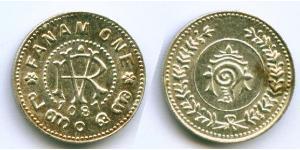
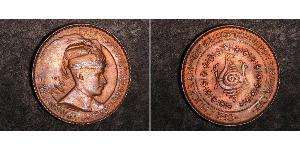
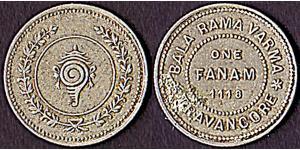
To assist our collectors, it is vital to identify specific periods and types that define this collection. The early period under Marthanda Varma introduced silver coins featuring simple but powerful iconography representing strength through imagery like the lion or elephant head symbolizing royal authority which were circulated alongside copper fractions for daily transactions.
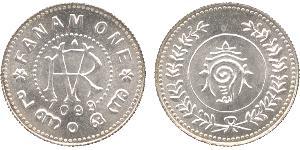
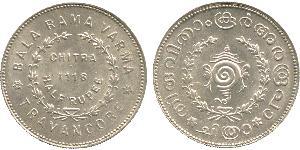
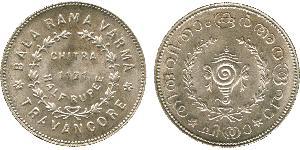
- The Silver Rupee from Sree Moolam Thirunal Era
- These pieces feature prominent portraits of the Maharaja surrounded by floral borders in Malayalam script
Another significant class includes gold mohars or small coins issued during periods when bullion flowed into Calicut through international trade. These are less frequently seen outside museum collections due to their rarity as they were primarily reserved for temple offerings rather than general commerce.
Cultural Legacy
The coinage of Travancore serves as a unique snapshot where religious devotion and commercial exchange meet on the surface of metal. Many silver coins bear symbols representing Vishnu or other deities revered by local populations in the south reflecting how spiritual life was integrated into economic activities for traders navigating coastal waters.
For collectors
The Travancore collection remains important to numismatists today because each piece offers a tangible link between the past and present. Owning one allows you to touch history as it involved in major trade movements from Asia during the pre-independence period which has shaped global markets forever.