

 Aruba
Aruba

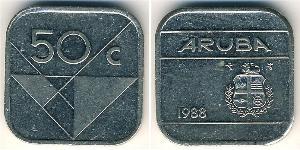


| Arubafrom the Wikipedia | Read original article |
Aruba: History, Coinage and Collectibles
Historical Background
To understand the monetary landscape of this Caribbean gem one must first walk its storied shores and listen to the wind carry whispers from centuries past. Aruba is a land where geological history meets human ambition in a unique way. Once home to indigenous Caquetio people, it became part of a larger colonial tapestry involving Spanish exploration followed by Dutch administration during the seventeenth century. The early inhabitants established themselves not for conquest but as safe harbors amidst the shifting tides of European naval power.
The economic heartbeat of Aruba was built upon maritime resources rather than agriculture alone, leading to a society steeped in trade and movement from earliest days. Salt mining became an industry that defined its economy during the colonial period, drawing merchants who carried their wares across vast oceans to Amsterdam and beyond. This focus on commerce shaped a culture where interaction with distant lands was common business practice.
The island later joined the formation of what is known today as the Kingdom within the Netherlands. During this transition from local dependency toward greater autonomy, Aruba sought distinct identity while maintaining strong trade relationships across Atlantic waters. It did not face wars or conflict in its own soil during these centuries unlike other Caribbean territories but experienced changes primarily through administrative reorganization.
Currency and Coinage History
Money on the island began to evolve alongside the Spanish silver dollars that circulated throughout the trade routes before official Dutch currency was established. These early coins were often melted down or worn smooth, reflecting their use as a common medium of exchange rather than hoarded collectibles. Over time, however, formal monetary systems introduced by colonial authorities brought order and regulation.
The introduction of guilder-based currencies reflected the broader economic shifts occurring across Europe during industrial revolutions that followed in centuries later. As Aruba moved toward greater self-governance within its administrative union with Curaçao initially, then separate status under Dutch crown protection systems it began issuing coinage carrying local motifs rather than solely European symbols.
A shift occurred when the currency system was separated from broader regional frameworks as part of new governance arrangements allowing Aruba to issue notes and coins bearing distinctly national designs while maintaining a pegged monetary stability against stable international currencies. This change marked a significant era for collectors where distinct identity began appearing on metal sheets intended for commerce.
Mints and Coin Production
The physical production of these items has historically occurred in various industrial centers within the Netherlands itself or at authorized locations across Europe rather than dedicated local facilities. This practice was standard during colonial times when colonies lacked infrastructure necessary to mint sovereign metal currency independently.
Technological advancements over decades allowed for more complex engravings that captured nature and culture with increasing precision. Artists worked closely with numismatic designers to translate the beauty of Aruba's landscape into permanent form on silver, nickel clad copper, or bronze surfaces. Each production run often carried specific designs representing sea life rather than historical figures which emphasized a connection to geography over personhood.
The quality control during modern minting operations ensures that even small coins display fine detail reflecting high craftsmanship standards set by regional oversight bodies. While not striking on an island facility, the metal is sourced and prepared within networks of trusted partners ensuring consistency across denominations used daily in markets throughout the region.
Notable Coins
The early florin issues serve as a primary entry point for those exploring historical collections from this area. These pieces feature designs that highlight trade goods often carried along shipping lanes such as salt or local produce which were vital to survival and commerce during earlier eras.
- Prior Independence Series: These circulated widely before administrative changes allowed distinct currency management by local government bodies. Collectors appreciate these for their historical context regarding the transition period from colonial rule toward self-governance status under international treaties governing economic independence within larger royal frameworks.
- Nature Commemoratives: Minted after full administrative separation were released in special silver or gold proof editions celebrating wildlife. These often featured images of the local bird life known across tourist maps and fishing charts, making them highly recognizable to those with a background in maritime exploration history.
- Modern Circulation Coins: The daily money used by locals and visitors alike features vibrant artwork depicting sea turtles or marine fish. These items are often found uncirculated due to careful storage preferences held by households on the island, adding a unique scarcity element for those seeking pristine examples from this era.
Rare pieces also include issues made during early periods of monetary independence where mint marks indicated production locations clearly distinguishing them from earlier colonial types issued in different cities. Condition is paramount here since salt air can affect metal integrity over long storage intervals if not properly handled and stored within dry environments by knowledgeable custodians.
Cultural Legacy
The coinage reflects a society deeply connected to its environment where economic identity mirrors cultural values rather than imperial symbols. The use of wildlife imagery serves as an educational tool for visitors who might otherwise not learn the names or behaviors of local species unless they observe them depicted alongside their monetary counterparts.
Cultural preservation is evident in how certain denominations were issued during times celebrating specific festivals, religious observances or national holidays important to residents. This approach ensured that coins told stories about history beyond just government administration focusing instead on the lives lived by ordinary citizens engaged in tourism and trade industries central to their daily existence.
The transition of designs over time shows a maturation from reliance upon European motifs toward indigenous ones representing local heritage proudly displayed without apology or concession to older colonial standards. This evolution mirrors broader social movements regarding autonomy within international unions emphasizing self-determination while maintaining economic stability through monetary agreements.
For collectors
This country offers a window into Caribbean history that extends beyond typical tourist narratives found in guidebooks worldwide. Its coinage carries significant historical weight particularly for those interested in maritime trade, salt economy development and the transition from colonial administration to self-governance structures established through modern political agreements.
Rarity stems partly from low production numbers during early periods of autonomy before minting contracts were adjusted with international partners or domestic needs increased supply availability. Preservation is crucial as exposure can degrade surface details making clean specimens highly valued among specialized circles familiar with Caribbean currency history specifically regarding these regions.


