| View |
| preceded by | ||||
|
||||
|
|||||||
 Viceroyalty of the Río de la Plata (1776 - 1814)
|
|||||||


| Viceroyalty of the Río de la Plata (1776 - 1814) | Link to Wikipedia |
Viceroyalty of the Río de la Plata: History, Coinage and Collectibles
Welcome to an exploration of a pivotal chapter in South American numismatics. As we look upon these ancient treasures from Buenos Aires, Montevideo, and beyond, we are stepping back into a time when geography dictated power more than borders did. The Viceroyalty of the Río de la Plata was not merely an administrative line on a map; it was a thriving economic engine that connected the Atlantic world to the interior plateaus.
Historical Background
To understand the silver and copper coins that circulated through this region, one must first appreciate the geopolitical stage upon which they walked. Established by King Charles III of Spain in 1776 as a new viceroyalty to separate these territories from Viceroy Peru for better trade management, it encompassed vast swaths of what are today Argentina, Uruguay, and Paraguay.
The economic heartbeat of this region was the port city that would become Buenos Aires. Unlike other colonies driven solely by gold mines, the Río de la Plata economy relied on cattle ranching, agriculture, and regional trade with Brazil and Chile before connecting to global markets through Spain. This commerce required a stable currency system, initially provided by Spanish Crown mints in Mexico, Potosí, or Seville.
The arrival of this new administrative unit occurred during turbulent times for Europe. The Napoleonic Wars profoundly impacted the supply chain of bullion flowing from the Americas to Old World treasuries and back again. When Spain fell under French influence temporarily in 1807-1808, local merchants found themselves cut off from royal orders. This isolation catalyzed a deep economic shift that would eventually lead to political independence.
The culture of the region was defined by its diverse population and a struggle for autonomy long before it became a republic. The coinage we discuss today serves as the tangible remains of this era, bridging the gap between imperial rule and national sovereignty. Collectors often find these pieces valuable because they encapsulate moments when commerce survived amidst political upheaval.
Currency and Coinage History
In the early days, money was a Spanish affair. The standard unit of account remained the Real de vellón or real plateado (silver), backed by silver bullion flowing from Peru's rich mines via Lima to Rio de la Plata ports.
Coin production did not initially occur locally under direct royal supervision but relied on imports until independence movements took hold in 1810. As the viceroyalty moved toward autonomy, local authorities began issuing tokens and later full-bodied currency pieces without Madrid's immediate consent.
The transition from colonial Spanish real to a new national standard was not always smooth due to counterfeiting fears or bullion scarcity during wartime. This history offers fascinating insights into economic resilience. When Spain halted coin shipments in the early 1800s, local economies had to adapt by accepting trade coins from neighboring Brazil and even foreign silver dollars that circulated freely.
The monetary reforms that followed independence were crucial for establishing a national identity through finance. The first independent governments sought to mint their own currency, moving away from symbols of the Spanish crown toward imagery representing freedom and local nature.
Mints and Coin Production
While there is no evidence of major early mints operating in Argentina during colonial times—since they were primarily a transit point for coins produced elsewhere—the numismatic landscape changed dramatically after independence. The first serious minting efforts came from improvised facilities set up by the new provincial governments.
The artistry shifted noticeably as local artists took over designs previously handled by the central Spanish mints in Mexico City or Seville. While early pieces were often crude, produced with simple presses lacking intricate dies, later issues under more stable administrations reflected a desire for artistic quality comparable to European standards.
Copper was widely used for smaller change needed by daily commerce. Silver reserved larger denominations and international trade transactions. The use of silver ensured the circulation remained consistent even when gold was scarce or unavailable in domestic markets during those volatile early years.
Notable Coins
- The Early Independence Pieces:
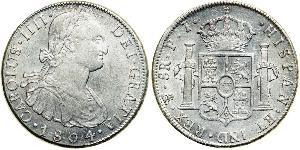
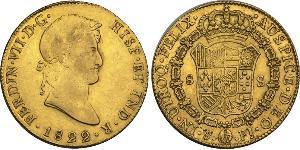
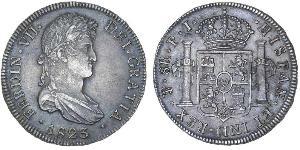
- Silver Trade Dollars with Spanish Markings:
- The First Independent Pesos:
These coins are significant for displaying new national emblems replacing the royal cypher. They often feature variations of local shields or allegorical figures representing commerce and liberty, signaling a break from imperial tradition.
Circulating throughout this period were old pieces marked locally. Collectors prize these for their scarcity in the original mint condition versus those melted down or re-minted during independence wars, representing a unique historical moment where currency was used as both money and propaganda.
These later pieces represent the transition to full sovereignty. While many were experimental with mixed alloys due to financial constraints after declaring freedom from Spain's control in 1826, they hold historical value for marking the definitive end of colonial monetary administration.
Cultural Legacy
The coinage produced during and shortly after this period serves as a visual archive of cultural identity. The imagery on these pieces tells us about what people considered important: liberty from tyranny, local agriculture like cattle herds or grain sheafs (often depicted in the form of wheat ears), and religious symbols that remained deeply connected to civic life.
The choice of materials also spoke volumes. Silver coins represented wealth held by banks and merchants, while copper was for the common folk buying bread and cloth. The enduring legacy is how these designs laid groundwork for national iconography used in subsequent generations without reference to a foreign crown.
For collectors
The Viceroyalty of the Río de la Plata region remains important today because it bridges two distinct numismatic worlds: Spanish colonial issues and independent nation states. These pieces are not merely records of metal content; they are documents in economic history that illustrate how a vast territory transitioned from empire to republic.
The condition sensitivity is higher for trade dollars used as international currency compared to local low-value tokens, yet these specific transitional coins offer unique provenance stories absent elsewhere. Whether studying the crude early republican issues or finding well-preserved silver trade pieces with colonial marks allows enthusiasts and buyers alike to understand how commerce persisted through political change.