| View |


|
|||||||
 Plurinational State of Bolivia (1825 - )
|
|||||||

| succeeded by |
| Plurinational State of Bolivia (1825 - ) | Link to Wikipedia |
Bolivia: History, Coinage and Collectibles
Welcome to our gallery of metal history. Today we are traveling back in time to the Andean highlands, where two vast empires met over centuries ago and forged a distinct numismatic legacy that spans four continents. This journey takes you from salt bars traded by ancient tribes to the silver dollars that funded global commerce during the height of empire.
Historical Background
To understand the coins of Bolivia, we must first look at the soil they were minted upon and the wealth found beneath it. Long before Spanish ships docked in these highland ports, the region was dominated by powerful civilizations like Tiwanaku and later the vast Inca Empire. While these societies did not use stamped gold or silver for every small transaction—relying instead on salt blocks and coca leaves—they possessed sophisticated trade networks that moved goods across valleys.
The arrival of Spain in the 16th century changed this dynamic forever, transforming a regional exchange economy into one connected to global markets. The pivotal moment came with the discovery of immense silver deposits near Potosí. This location, located deep within what is now Bolivia's Altiplano (the high plateau), became the richest mining site in human history during colonial times. For over two centuries, it was believed that all new money minted for Europe and parts of Asia originated from this Bolivian mountain.
The wealth flowed outwards through a complex web of commerce. The Spanish administration established administrative centers like Chuquicamata to manage these resources. However, the flow of coinage itself became vital not just for royal tax revenue (the "Real"), but also as trade currency that moved freely across South America and into ports in Peru and Chile. By the 17th century, Bolivia had become so economically integrated with Europe that it was often referred to by other nations.
The struggle for independence later in the 1800s shifted this narrative from colonial commerce to national sovereignty. As wars were fought against royalist forces throughout South America—particularly involving Simón Bolívar himself, whose life's work laid much of the foundation—the monetary systems had to be retooled to reflect a new republic rather than an imperial crown.
Currency and Coinage History
The evolution of money in this region is a fascinating study of adaptation. In its early colonial years, coinage was heavily influenced by the Spanish Empire's central mints in Seville and Mexico City. However, as local needs grew so did the minting rights held within Bolivia. During the Viceroyalty era, the silver pieces struck here were known globally.
The story of Bolivian money is defined by its reliance on precious metals, particularly silver. The Spanish colonial economy was built upon a standard set where one gold piece equaled sixteen real coins (the 'pieces of eight'). These small denominations circulated as everyday currency among miners and farmers in the highlands. As the colonies matured into nations following independence movements across Latin America between 1820-1840s, these established silver standards were adopted to ensure trade stability.
A significant shift occurred during this period of new nation building when local coins began replacing imported Spanish reales. The transition from pure gold or heavy foreign currency into domestic denominations was a political statement: asserting national control over one's own economy.
The Silver Dollar Standard
In the late 19th and early 20th century, Bolivia sought to solidify its place in international markets by issuing high-quality silver coins that would circulate alongside American dollars. The most iconic of these occurred during a period when inflation threatened economic stability; the government turned back to bullion standards, introducing beautiful one-dollar pieces featuring indigenous miners as central figures.
This shift was driven by two factors: national identity and currency reliability. During periods where other nations suffered from hyperinflation or unstable paper money (specifically in the 1920s-30s), Bolivia maintained strict gold bullion standards for its high-value issues, making them highly sought after not just by locals but foreign merchants.
Mints and Coin Production
The craftsmanship behind these coins reflects the technological limitations of their times. In ancient days before modern presses were introduced in the 19th century, early colonial coinage was cast or hammered into shape using dies imported from Spain or Mexico City. This often led to variations you might see on your desk today.
The establishment of domestic production centers allowed for more artistic expression within the designs. The minting tradition here evolved significantly as technology advanced; where earlier coins featured heavy details and high relief suitable only for gold, later silver issues were produced using lighter strike methods that still managed to capture the bold features of indigenous subjects.
The artistry was often tied directly to state commissions from European artists visiting the region. In a time before photography or digital design, coin dies became the medium through which national ideals—civic virtue and hard work—were physically imprinted onto metal for generations to see.
Notable Coins
If you examine a collection of Andean treasures from this region, there are three primary types that collectors will most likely seek out due to their historical significance:
- The Colonial "Real" and Dollar Pieces:
These silver coins date back to the 16th through early 18th centuries. Their designs typically feature religious figures, monarchs from Europe seated on thrones, or allegorical representations of Spain's victory over indigenous empires. These serve as historical records showing who ruled during this period and where they came. - The Independent Republic Gold Pieces:
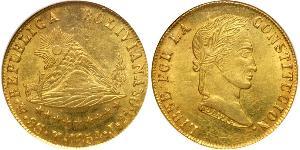
Minted in the mid-19th century to commemorate national unity after the civil wars had ended. The designs of these coins usually feature an indigenous farmer standing alongside a miner holding tools, symbolizing that agriculture was as vital to the state's economy as mining. - The Classic Silver Dollar (The Miner):
Focusing on the most recognizable face in South American collecting: A silver dollar depicting a worker emerging from a mine. These coins were minted for decades and served as a reliable medium of exchange, often circulating alongside U.S. dollars until the mid-20th century.
The Artistic Shifts on Coinage Design
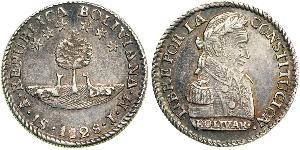
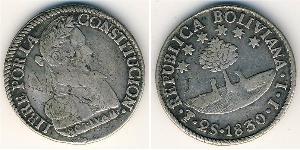
The imagery found on these medals also evolved with changing times. Early coinage depicted Spanish figures or European saints; later coins introduced portraits of national leaders like Simón Bolívar himself—often holding a tricolor flag that signified independence—and military uniforms, signaling the strength and sovereignty of Bolivia's army.
Cultural Legacy
The legacy left by this coinage is one of deep connection to local heritage. To look at these pieces today is to touch the history of labor movements in South America that began right here during colonial times with silver mining as a major industry driving economies worldwide.
Beyond just being metal, they represent a specific way life was lived on the high plateau; for example, the coca leaf often appears subtly or overtly in historical context around these issues representing local culture and resilience. They serve not only to remind us of how wealth has changed hands across centuries but also illustrate the cultural values held dear by people who built these civilizations over many generations.
For Collectors
Bolivia stands out in world numismatics as a repository for beautiful silver artistry that reflects both indigenous roots and imperial history. While modern collectors often focus on market value or rarity, the true allure here is found in stories: of how these coins were minted by hand before factories existed, how they fueled wars across continents (specifically during Spanish colonial conflicts), and how they represented a nation's transition from colonies to independence.
We encourage our collectors to view these pieces as historical artifacts first. They are windows into the past where history is etched in silver rather than text or stone. Whether you seek out rare gold coins, common circulated copper-nickel bolivianos used for daily transactions during industrial times, or those striking historic independence-themed designs—each specimen tells a story of human industry and survival.