| View |
| preceded by | |
|
|||||||
 Kingdom of Yugoslavia (1918-1943)
|
|||||||

| succeeded by | ||||
|

| Kingdom of Yugoslavia (1918-1943) | Link to Wikipedia |
Kingdom of Yugoslavia: History, Coinage and Collectibles
Historical Background
The Kingdom of Yugoslavia stands as one of the most compelling examples of early twentieth-century nation-building in Europe. Emerging from the dissolution of empires following World War I, it represented a unique experiment in unifying diverse Slavic peoples under a single crown and constitution before World War II. For historians examining monetary artifacts, this period offers more than just financial records; it captures the spirit of an ambitious but fragile statehood attempting to reconcile national identities within one political framework.
The drive toward economic integration was as vital as military alliances during these formative decades. The early years were marked by significant challenges in harmonizing economies across various regions, ranging from urban centers like Zagreb and Belgrade down to agrarian communities in the Balkans. Trade flourished along new infrastructure projects that connected previously isolated territories, fostering a sense of shared destiny. However, political turbulence eventually cast a long shadow over this prosperity. The assassination attempts on high-ranking officials during the reign brought instability that numismatists can still trace in their holdings today.
The cultural landscape was rich and variegated. This state united regions with distinct languages, religions, and customs under one banner. In times of economic difficulty or political change, currency often served as a physical manifestation of loyalty to the crown and national unity. As trade networks expanded, coinage became essential for commerce, necessitating a robust monetary system that could withstand external pressures while satisfying internal demands.
Currency and Coinage History
The evolution of money in this region mirrored its political consolidation immediately after the conflict. In the early post-war period, there was an interim reliance on foreign standards due to currency fluctuations following World War I. This dependency slowly gave way to a standardized national currency that reinforced sovereignty.
Maintaining monetary stability required careful management by state authorities who understood that trust in coinage was synonymous with faith in government. The initial stabilization efforts focused on controlling inflation and ensuring gold reserves could support the new issues of paper money and bullion coins. A significant reform shifted focus toward a robust currency system capable of handling commercial volume between different regions.
The transition to standardized units allowed for seamless transactions across former borders, which was essential as trade routes realigned following geopolitical changes. Merchants appreciated having confidence in the value they carried from market square to countryside. This stability period lasted through most economic crises before eventually yielding again under wartime pressures that reshaped monetary structures completely.
Mints and Coin Production
The physical creation of these tokens took place primarily at state-run facilities strategically located near population centers or industrial hubs. Central minting operations were organized to ensure the highest standards for both circulation coins and commemorative issues produced for investors. Artisans who operated under royal commission often worked in an environment similar to modern proof sets production, focusing on detail rather than quantity.
Innovative engraving techniques brought attention from international artistic circles during this era. While technology evolved rapidly with the industrial revolution of the time, skilled artisans maintained hand-crafted elements for portraits and national symbols. This hybrid approach gave coins a distinctive character where high relief artistry met modern printing capabilities available in neighboring states.
Sometimes production required cooperation or oversight from international partners given economic dependencies during unstable periods. This collaboration influenced stylistic trends seen on the coin face, introducing European Art Deco elements to local iconography such as coats of arms and national monuments.
Notable Coins
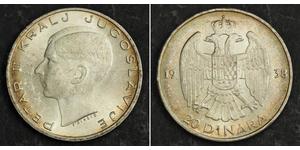
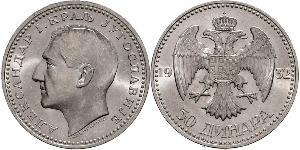
- Silver Proof Denominations: Among the most prized items are proof sets from the later period. These issues feature exceptionally high-quality strikes that highlight intricate details on heraldic devices or royal portraits. The use of silver lent durability and value to these pieces, making them suitable for collectors seeking both artistic merit and tangible history.
- The "Obra" Issues: During a transitional economic phase where currency standards fluctuated locally before standardization efforts matured fully. Coins minted under this specific system offer insight into the monetary chaos followed by order as economies stabilized toward national identity rather than regional isolationism. High-grade examples are highly sought after for their rarity.
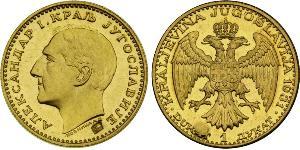
- Commemorative Gold Pieces: Occasional limited runs produced to mark special occasions or diplomatic events provide a glimpse into state-sponsored spending and propaganda through artistry. These pieces carry the full weight of national prestige and often depict architectural wonders from various regions within borders designed by artists working under tight government supervision.
The most desirable items are those that capture both sides of history: peace times where artistic expression thrived, or early years when new nations were establishing economic independence. Collectors should look for well-preserved pieces showing no signs of damage but appreciating the natural toning found on silver.
Cultural Legacy
The coins themselves serve as tangible artifacts reflecting broader cultural achievements during this era in southeastern Europe. Symbols appearing frequently across denominations include national emblems, royal profiles, and depictions of historic sites significant to local heritage preservation efforts at the time.
- National Emblems: The coat of arms serves as central motif on many issues, representing territorial claims over vast lands with diverse ethnic populations. Its placement emphasizes unity under a single crown in an era defined by regional nationalism.
Symbols appear throughout these coins not merely as decoration but convey specific messages about governance stability and national cohesion among different linguistic groups within borders drawn after war settlements concluded earlier that century. The artistry involved reflects broader European trends while maintaining distinct local flavor through choice of imagery selected from regional architecture or folklore.
- Royal Portraits: Profiles used feature classical styling often associated with historical rulers who preceded this particular union, reinforcing dynastic legitimacy even if specific political changes occurred later under pressure. They were struck in gold and silver to mark key moments during reigns when stability was paramount.
The overall aesthetic quality found on these pieces demonstrates how art served practical purposes by instilling confidence among users handling currency daily, whether paying market taxes or conducting personal exchanges across long distances between regions previously divided politically but now sharing a coinage system. Religious symbols too appear in subtle ways through crosses or architectural churches representing spiritual life integral to social fabric.
For collectors
The historical significance of these tokens remains relevant for modern enthusiasts interested in numismatics, history and economic evolution during interwar Europe. Owning pieces from this period connects you with individuals who built an integrated society amidst immense pressure while navigating complex politics before the conflict ended their kingdom abruptly.
- Rarity:
Finding well-preserved examples is always valuable due to circulation demands of wartime economies that often led to wear or hoarding behaviors. These elements make each piece unique in ways catalog numbers alone cannot quantify fully without physical inspection.
- Cultural Insight:
Beyond face value, these tokens offer deep insight into artistic movements like Art Deco and how they manifested on metal used for commerce rather than art galleries only. They represent the aspirations of a state striving to prove its place among major European powers through currency reform that stabilized trade across multiple fronts.
- Condition:
Distinguishing original features from later reissues helps buyers appreciate true provenance and craftsmanship levels achieved by mint staff operating under royal supervision despite economic fluctuations. For auction participants, understanding the historical story adds value beyond simple scarcity because context drives interest among serious enthusiasts.