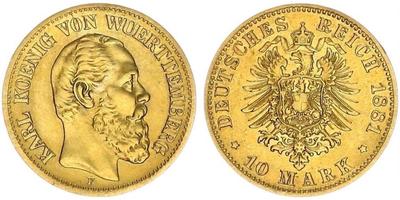
| View |
 Kievan Rus' (862 - 1240)

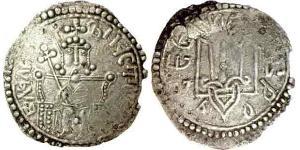
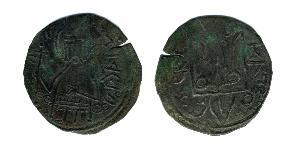
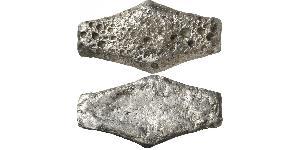
| Kievan Rus' (862 - 1240) | Link to Wikipedia |
Kievan Rus': History, Coinage and Collectibles
Historical Background
In the misty annals of medieval Eurasia, there existed a powerful civilization known as Kievan Rus'. Emerging in the 9th century along the waterways that connected Northern Europe to Byzantium, this land bridge was not merely a path for armies; it was an artery of commerce. The great river systems flowing through modern-day Ukraine and Russia allowed merchants from Scandinavia, who became known by Slavs as Varangians or Vikings, to travel south to Constantinople.
The rise of Kiev itself stands as the crowning achievement of early East European unity. Under princes like Oleg and Sviatoslav, a loose federation of towns consolidated power through diplomacy and trade rather than constant warfare alone. The adoption of Orthodox Christianity in 988 marked a pivotal moment that transformed diplomatic relations with the Byzantine Empire and brought Slavic culture into closer alignment with Mediterranean traditions.
This era was defined by the concept of rashan, or tolls, paid to princes for protection and governance. As Rus' became wealthy from furs, wax, beeswax, and timber exports, the need for a sophisticated economic framework grew. This wealth flowed both into Kiev's storied treasury and out along the river routes toward Volga Bulgaria and Islamic Caliphates in Central Asia.
Culture flourished alongside commerce. The fusion of Norse warrior ethos with Slavic agrarian roots created a distinct society that was open to outside influence yet fiercely independent. This openness is etched into their artifacts, from carved wooden icons on the walls of St. Sophia Cathedral to the silver coins found in archaeological hoards buried beneath ancient floors.
Currency and Coinage History
In the early years of Kievan Rus', the flow of currency was heavily reliant upon foreign imports. Byzantine solidi, known as nomismata or dirhams, were minted in Constantinople but found their way into Kiev through trade treaties and diplomatic gifts. These silver coins circulated alongside local tokens used for specific transactions.
The evolution toward domestic coinage was a slow process driven by the need to facilitate tax collection and tribute payments among an expanding principality. In 1026, Vladimir I of Kiev attempted to introduce his own currency system after establishing diplomatic ties with France. This initiative mirrored similar movements in Western Europe where feudal lords began minting their own coins.
The most significant shift occurred during the reigns of Yaroslav The Wise and later princes when silver groats were struck locally based on Frankish models. These early Russian imitations bore similarities to Carolingian currency but incorporated local design preferences, including inscriptions in Greek or Cyrillic script rather than Latin.
The numismatic landscape was further complicated by the political fragmentation that followed Kiev's decline. Regional princes like those of Novgorod and Vladimir maintained their own economies independent of central control. This decentralization meant that multiple minting centers operated concurrently, resulting in a diverse array of coin types surviving to modern collectors.
Currency evolution also served as an index of political health. When Kiev lost its hegemony, the mints shifted focus or ceased production entirely. The transition from pure silver imports to locally struck base metal coins marked economic shifts and often indicated periods where gold reserves were too scarce for high-value circulation currency but trade continued nonetheless.
Mints and Coin Production
The concept of a permanent national mint was alien to the medieval mindset in Rus'. Coins were cast or stamped according to local needs within workshops attached to princely residences. These production centers changed hands with political shifts, often moving from one town fortification to another as dynastic wars reconfigured borders.
Techology used during this period blended Byzantine craftsmanship with Scandinavian traditions. Die-cutting techniques evolved over time but remained distinct in their artistic flair compared to Western European counterparts. The use of bronze for smaller denominations was particularly notable, reflecting a pragmatic approach to circulation that prioritized volume and utility over purity.
Motifs found on coins offered clues about the workshops' origins. Designs often incorporated religious imagery such as crosses, saints, or lions—symbols imported from Byzantium but localized in style. The use of Greek letters alongside Slavic names suggested a workforce proficient in multiple languages and scripts, acting not just for local princes but also for international merchants seeking to validate coinage.
The scarcity of surviving examples is due largely to the harsh climatic conditions that affected the preservation of metal objects found by archaeologists. Iron tools were used extensively in production before being replaced by brass or silver dies later on, though many early coins retain crude punches indicative of a less industrialized process than their Western neighbors.
The artistic characteristics serve as fingerprints for identifying mint origins. A coin discovered in the Siberian steppes might bear an inscription claiming origin from Kiev, while one found near the Dnieper would show slight variations reflecting regional workshops influenced by Byzantine masters visiting or residing there temporarily during diplomatic missions.
Notable Coins
The Silver Dirham is perhaps the most sought-after item for collectors focusing on this era. Although often minted abroad in Islamic cities like Samarkand, these coins were popular among Rus' merchants and frequently carried inscriptions identifying their destination or origin.
-
Historical Context: Imported during 10th to early 12th centuries as the primary trade currency.
Design Features: Inscribed with names of princes like Vladimir in Slavonic script, often overstruck on Byzantine models.
Importance to Collectors: They represent the bridge between Northman and Mediterranean cultures.
The Groats are another category that intrigues numismatists. These were smaller silver coins intended for everyday commerce after imports dwindled during trade conflicts with Constantinople.
-
Historical Context: Introduced to facilitate local taxes under Yaroslav and later rulers.
Design Features: Featured simple crosses, often double-headed birds or stylized animals representing the ruling house's power.
Importance to Collectors: These coins mark a turning point where Rus' began asserting economic independence from foreign models.
Bronze tokens found in Novgorod during later periods also hold interest for specialists tracking regional trade after Kiev fell.
-
Historical Context: Produced in the fragmented northern principalities.
Design Features: Often rougher quality with simplified symbols to distinguish them from silver.
Importance to Collectors: They provide a glimpse into economic life outside major political centers.
Rare gold coins attributed to Novgorod in later centuries sometimes appear under broad searches for early Russian history, though they technically post-date the classical Kievan period and represent continuity rather than revival of original practices.
Cultural Legacy
The coinage from this era reflects a society deeply influenced by Byzantine culture. As Christianity took hold, religious symbols became central to state power displayed on metal surfaces. The integration of these motifs into national currency signifies the adoption not just of faith but administrative systems modeled after Rome and Constantinople.
Coin production also mirrored cultural values placed upon education and writing literacy. Many early issues included inscriptions in Cyrillic alongside Greek, indicating that local scholars could read foreign texts to create domestic imitations. This linguistic ability allowed for a unique identity distinct from purely pagan tribes or Latin-speaking Europe.
The economy itself reflected the agrarian wealth of the steppe and forest regions. Beeswax and fur were traded for silver dirhams, meaning that coins physically represented tangible value harvested by peasant laborers far removed from mint workshops in fortified city centers.
Ancient mints often operated near trade hubs where foreign goods could be inspected before reexportation or consumption locally. This economic reality highlights how the currency system supported not just wealth accumulation but also cultural exchange through movement of objects and ideas across borders.
For collectors
Kievan Rus' coinage remains a fascinating field for exploration because it exists in a liminal space between ancient trade networks and medieval state formation. Collectors are often drawn to the scarcity and historical weight associated with early Russian currency, which serves as tangible evidence of diplomatic ties that predated modern nation-states.
Possessing such artifacts connects hobbyists directly to a civilization that built bridges across continents through commerce rather than conquest alone. The hunt for these pieces is not merely about monetary value but the preservation of history etched in metal from an age when kings were defined as much by their ability to issue currency as they were by military power.
Awareness helps collectors avoid common pitfalls, such as conflating later Moscow-era coinage with earlier Kievan pieces that have distinct historical contexts and stylistic differences. This period offers a unique window into how early economies developed without centralized banking or complex financial instruments found in Western Europe during the same eras.
In summary, these ancient coins tell stories of merchants who risked death on icy rivers, artisans skilled enough to replicate foreign art with local flair, and princes aspiring for legitimacy through cultural assimilation. For those interested in numismatics that intertwines history and humanity beyond mere catalog data, the legacy of Kievan Rus' offers an enduring reward.