| View |
| preceded by | ||||
|
||||

|
|||||||
 Socialist Federal Republic of Yugoslavia (1943 -1992)
|
|||||||

| succeeded by | ||||
|

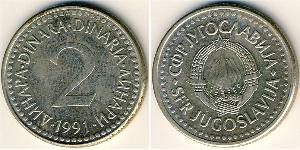
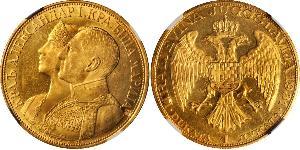
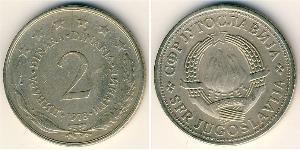
| Socialist Federal Republic of Yugoslavia (1943 -1992) | Link to Wikipedia |
Socialist Federal Republic of Yugoslavia: History, Coinage and Collectibles
The narrative of the Socialist Federal Republic of Yugoslavia is one defined by unity within diversity during a unique period in twentieth-century history. Following the dissolution of empires after the First World War and the upheaval that followed it, this nation rose from the ashes as an independent federation comprised of six republics and two autonomous regions. Under the leadership of Josip Broz Tito, often affectionately known simply as Marshal Tito or Tito himself by citizens, the country carved out a distinct path in geopolitical relations.
This period between 1945 and the early 1980s was an era defined not only by political stability but also remarkable industrial growth. The economy operated on principles that blended state planning with market mechanisms, often termed as social ownership. This unique economic structure required a currency system that reflected both internal cohesion and external trade relations. For collectors today, understanding this context is vital because it explains why coin production techniques evolved from utilitarian necessities to masterpieces of modernist engraving during the height of Tito's rule in Belgrade.
Historical Background
The origins of Yugoslavia lie in its resistance against occupation forces and subsequent unification with various Slavic territories. The post-war state was a socialist federation, yet it maintained non-aligned status between major military blocs. This neutrality allowed for significant cultural exchange throughout Europe and fostered trade routes that extended into the Balkans.
During this era of relative peace in its northern region until later decades, commerce flourished through land bridges connecting industrial centers to southern ports. The economy benefited from tourism development along the Adriatic coast alongside heavy industry in the north. This prosperity meant more resources for state projects and public works that funded the intricate art found on their currency.
The cultural landscape was equally significant; six distinct republics brought unique languages, traditions, and artistic styles into a single federal framework. While political ideologies were centralized regarding economics and defense, culture celebrated local identity through national parks established in each region to protect natural heritage sites. This balance of unity and diversity is the primary historical narrative collectors must grasp when viewing these coins.
Currency and Coinage History
The introduction of a stable monetary system was essential for trade within this federation. The currency evolved from earlier regional moneys into the Yugoslav Dinar, which became widely recognized throughout the continent due to its stability during certain periods relative to other socialist currencies at that time.
Throughout most of Tito's rule, coin production utilized bronze and nickel-bronze for smaller denominations intended for circulation among daily markets. However, a significant shift occurred in numismatic history starting around 1960s as the state began issuing higher denomination silver coins to commemorate jubilee events or mark foreign economic relations.
The role of these metals was crucial; unlike many modern fiat currencies which rely entirely on digital tracking today and paper backing then relied heavily on confidence, this federation printed currency with genuine content in metal for specific commemorative issues. This meant the coin itself held value not just as legal tender but sometimes by virtue of its precious metal composition.
Mints and Coin Production
Coinage was primarily produced at a central mint facility associated with operations based near Ljubljana in modern Slovenia, which served this federation during later decades. The production centers utilized advanced hydraulic presses to ensure consistent relief on all issues.
The artistic tradition shifted significantly from the rigid realism of earlier communist imagery to more stylized and often abstract designs that reflected socialist humanist art trends emerging after World War Two. Sculptors worked closely with designers who specialized in numismatic engraving techniques imported from Western Europe or adapted locally within state-run institutions.
These production centers were equipped for high-speed minting but reserved their finest capacity for medallic sets intended as gifts to international delegations during trade summits and diplomatic visits abroad. The craftsmanship ensured that these coins often featured raised borders, intricate leaf patterns on flora issues representing the natural heritage of each constituent republic included within the larger federation.
Notable Coins
- The 1980 Olympic Games Commemorative Issue: This remains perhaps the most significant item associated with this era outside standard circulating currency. To celebrate a sporting event hosted in Belgrade itself, state authorities commissioned medals that doubled as high-value coins.
The historical context of these items was their use as official mementos for athletes and international press members visiting at an Olympic venue without the burden of traditional costs associated with entry fees to such events. Collectors today seek out uncirculated versions which are rarer than standard daily circulation pieces due to high initial demand.
- Silver Dinar Issues: In 1982 and surrounding years, specific denominations were struck in silver. These represented a transition toward larger denomination value coins as paper currency became increasingly common for low-value exchange rates during that inflationary period of the early eighties.
The design features usually included depictions of local fauna such as bears or eagles stylized alongside symbols representing national borders on maps within each specific series. The importance to collectors extends beyond just aesthetic merit but also scarcity resulting from political shifts before 1985 when economic conditions changed rapidly and mintage levels dropped significantly.
- Tito Portrait Coins: The standard issue for many years carried his likeness, symbolizing national unity. While common in circulation today they serve as important markers of state history prior to dissolution events later on that broke the federation apart politically rather than economically during production decades earlier when these were issued.
Cultural Legacy
The coinage of this country serves as a tangible record of its society and cultural legacy. Each design choice reflected broader values such as industrial achievement or agricultural heritage specific to that region within the federation boundaries at any given time during history covered here today by collectors examining historical artifacts found in museums worldwide.
Religious tolerance was also highlighted through designs featuring mosque domes alongside churches on various denominations indicating harmony among communities before tensions rose later. Symbols of friendship such as olive branches or laurel wreaths appeared frequently denoting the ideals promoted during this era which are now collected for their artistic beauty and historical weight rather than political alignment.
For collectors
This nation remains vital to coin collecting circles specifically because it has ceased to exist, making every issued piece a historic relic of a unique geopolitical entity. The scarcity is driven by the rapid changes in economic systems following 1980s collapse leaving many sets incomplete or difficult to find outside local regions.
For auction buyers today, pieces from this era represent an investment in history as much as numismatics since each item represents preserved memories of a society that once held its own distinct vision for Europe during Cold War tensions. These coins are not merely metal but small artifacts of daily life lived under the banner of Tito's dream before it vanished.
- Focus on condition rather than rarity alone when purchasing items from this specific historical period to ensure authentic representation and preservation standards met by reputable institutions globally who specialize in Balkan heritage material for educational purposes including museums dedicated to European history now open worldwide today that feature these exhibits permanently installed within their permanent collections or rotating exhibitions designed specifically around monetary systems of the twentieth century.
In conclusion, understanding how currency evolved here requires examining not just metal content but also cultural context and artistic evolution. For students of history and coin enthusiasts seeking meaningful additions to private portfolios beyond standard western catalogues this region offers an unparalleled depth of study that cannot be found in any other nation on earth with similar historical significance preserved within their surviving physical artifacts currently available for acquisition through major auction houses or specialized dealers focusing exclusively on Eastern European monetary heritage materials.