| preceded by | ||||
|
||||

|
|||||||
 Serbia and Montenegro (1992 - 2006)
|
|||||||

| succeeded by | ||||
|

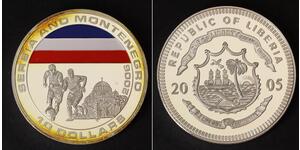
| Serbia and Montenegro (1992 - 2006) | Link to Wikipedia |
Serbia and Montenegro: History, Coinage and Collectibles
Welcome to the numismatic gallery of our region's history. Today we explore a tapestry woven from ancient empires, Ottoman trade routes, and modern European integration. For every collector standing before these artifacts, there is an invitation to understand not just metal weight or face value, but the human stories embedded within them.
Historical Background
To appreciate the coins of this territory, one must first walk through its landscape's deep history. The region has long been a crossroads between East and West, where Byzantine influence met Slavic traditions centuries ago. In the early days, coinage was rare in these lands compared to Europe; silver ingots were used until local rulers began minting their own currency during periods of stability under empires like Nemanjić.
The medieval period established a legacy that persists today through artifacts recovered from hoards scattered across this region. The Ottoman conquest introduced new denominations and technologies, integrating the Balkans into wider Islamic monetary zones while simultaneously fostering local resistance in cultural identity. These dual influences remain visible in architectural motifs found on later commemorative pieces.
National awakening movements during the nineteenth century shifted focus from dynastic loyalty to civic pride. This shift transformed coins from simple trade tools into instruments of national education, depicting historical battles and heroes rather than just royal portraits. The unification efforts that followed created a shared cultural identity among these communities while distinct traditions remained intact in local markets.
Currency and Coinage History
The monetary evolution here mirrors the geopolitical shifts across Central Europe. Early on, trade relied heavily on silver dirhams before industrialization introduced gold florins minted for international commerce during prosperous periods of empire building. During later times when national banks were established, economic crises often led to hyperinflation and paper currency reliance.
Federal arrangements meant that while a central bank issued standard circulation coinage in capital cities like Belgrade or Skopje, regional mints contributed local variations before the eventual transition toward unified euro standards. This timeline offers collectors distinct phases: imperial silver issues, interwar gold commemoratives, and modern polymer or metal designs representing cultural unity.
Mints and Coin Production
The heart of production resided in major urban centers where technology advanced alongside artistic skill. Belgrade served as the primary technical hub for decades, employing master minters who trained across Europe to bring French precision to local needs. Smaller facilities existed during wartime or under different federations that produced regional currency.
Minting traditions emphasize durability and detail. Early pieces show hand-stamped irregularities giving way to hydraulic press technology in the twentieth century which allowed for intricate engravings of coats-of-arms, agricultural scenes depicting olive groves, and industrial achievements. The art deco style prevalent during the interwar period showcased geometric patterns inspired by local architecture rather than generic imperial icons found elsewhere.
Notable Coins
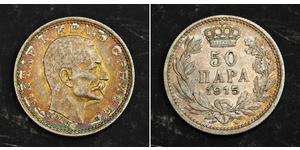
For collectors seeking significant pieces from this heritage, several types stand out for historical importance beyond mere rarity value. First are high-value denominations minted prior to economic instability in the early twentieth century that utilized precious metals reflecting pre-war prosperity. These often feature crowned portraits of rulers alongside national symbols like eagles or shields representing local fortresses.
Commemorative issues marking anniversaries of significant historical events offer another avenue for acquisition. Coins featuring figures from medieval dynasties, such as those named after the saint kings who unified lands in ancient times, remain popular among history enthusiasts seeking tangible connections to national narratives found in museums and libraries today.
Silver pieces produced during periods when these territories were integral parts of a larger federation often carry fine detail despite high circulation demand. Collectors value them for their design quality which frequently incorporated modern European aesthetics while retaining traditional iconography like olive branches or crossed swords representing peace through defense strategies known in regional history books.
Cultural Legacy
The coinage reflects the region's complex identity formed by religious tolerance alongside periods of strict orthodoxy enforced from different eras. Religious buildings depicted on denominations serve as historical documentation before modern photography became common, preserving images of churches and monasteries that survive today in heritage tours.
Symbols
In the broader context, these metallic tokens act as ambassadors for local craftsmanship during times when communication was limited. They celebrate resilience by honoring those who managed to trade despite blockades or conflict situations without losing artistic integrity or national pride expressed through mint designs.
Economy
Culture remains tied closely to agriculture and industry as seen in imagery depicting wheat fields and factories alike, signaling how the state viewed self-reliance essential for survival against external pressures throughout centuries of history documented by these artifacts found today in private collections.
Symbols
This enduring symbolism creates continuity from medieval times forward so that even modern issues resonate with older historical themes familiar to scholars studying the development of identity among communities located here before joining broader international organizations later on.
For collectors
Possession of these pieces connects you directly into centuries past rather than simply accumulating assets. Understanding history adds appreciation beyond catalog grades because each condition variation tells a story about usage patterns, storage conditions, and how owners valued them throughout changing times that shaped our world.