| View |
| preceded by | ||||
|
||||

|
|||||||
 Republic of Serbia (2006 - )
|
|||||||

| succeeded by |
| Republic of Serbia (2006 - ) | Link to Wikipedia |
Serbia: History, Coinage and Collectibles
Welcome to the gallery where metal meets memory. Standing before these ancient artifacts allows us to witness not just monetary systems but the soul of a nation that has endured centuries of change while holding firm to its identity. As we approach this exhibition on Serbia, we invite you to consider how currency serves as an enduring vessel for history. Through bronze and gold from medieval times to the silver and alloy pieces of modern independence, these small discs encapsulate empires rising, occupying forces, religious devotion, and national renewal.
Historical Background
The story begins with a region in Southeastern Europe where distinct tribes coalesced into early states. This development occurred long before many European kingdoms formed their borders. Stefan Nemanja played an instrumental role in unifying these territories around the late eleventh century, establishing what became known as medieval Serbia under the rule of the powerful Nemanjić dynasty. The rise of this kingdom was deeply spiritual; Orthodoxy arrived to provide a sense of order and cultural continuity against external pressures.
The economic landscape evolved alongside the faith. Trade routes connected local markets with Byzantium, influencing how wealth moved through Belgrade and other centers. However, history took complex turns when Ottoman influence expanded into these territories during the fifteenth century. While this era brought different artistic motifs to currency circulation—often utilizing copper coins issued by regional authorities—it also tested sovereignty. The struggle for independence in the nineteenth century reasserted control over trade policies and monetary autonomy.
By the time Serbia secured its status as a kingdom within the broader political shifts of Europe, national identity had been forged through these experiences of faith and foreign rule. Cultural traditions such as folk art and religious iconography found their way into public consciousness just before World War One set the stage for modern economic reforms across the region.
Currency and Coinage History
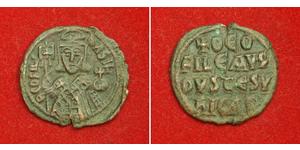
The evolution of money in this area reflects its integration with broader European standards while retaining local distinctiveness. In medieval times, silver denars were common denominations often imitating Byzantine designs but struck under Serbian royal supervision. These early issues established the tradition that coinage was a statement of state power.
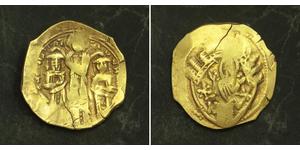
As centuries passed and economies shifted from barter to complex trade networks, gold coins became necessary for larger transactions involving merchants traveling between continents. The introduction of crown-sized denominations marked entry into international monetary systems where nations were recognized by their bullion reserves rather than just fiat weight alone.
The early twentieth century brought significant consolidation with the unification of various states under a new flag and currency, though this was often accompanied by economic instability in that turbulent period. Following major conflicts across Europe during 1945 to 1948, reconstruction efforts required stable paper money backed by metal reserves where possible.
The name Dinar remains a central symbol of the region's monetary history today. Reformations occurred regularly to adjust inflation or reflect changing reserve requirements. Each transition marked an era shift in government authority over commerce and taxation within these borders.
Mints and Coin Production
Craftsmanship was at its peak during specific periods of state stability, particularly under the late Kingdom regimes before major European re-alignments occurred later on. The mint established primarily based near Belgrade served as the primary facility for issuing official denominations that circulated daily among citizens.
A secondary site historically located in Smederevo contributed to production earlier than modern records indicate. Artistic styles shifted over time, reflecting broader trends across Europe including Baroque influences and later Art Nouveau motifs on reverse sides featuring eagles or double-headed birds which became symbols of the state itself.
Minting technology evolved alongside industrialization. Early hand-struck coins gave way to press techniques that allowed for mass production during reconstruction eras after conflict periods ended in 1945. High relief was used sparingly as artistic expression, while flat surfaces favored by modern standards prioritized ease of circulation and cost control.
Notable Coins
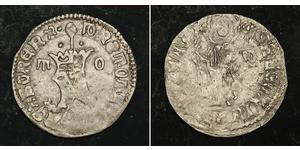
Consider the medieval silver denar found among collectors today. The obverse usually features a profile bust representing royal lineage or saint figures from local religious tradition, sometimes showing Saint Sava holding a book symbolizing wisdom and legal order.
- The Medieval Silver Denars These ancient pieces serve as direct links to trade routes connecting the Adriatic with Eastern markets. Collectors often value their provenance regarding condition rather than rarity alone, since survival from early centuries is rare due to circulation wear or recycling of precious metal.
- The Gold Crowns of 1930s Kingdom These high denomination issues represent the apex of artistic design in the interwar period. They depict state birds and crowned portraits, celebrating sovereignty regained after decades of foreign rule during their brief production before subsequent geopolitical changes ended them.
- The Early Modern Dinar Issues Post-war denominations often feature industrial scenes or architectural landmarks highlighting recovery efforts through reconstruction projects across the nation. Their designs are less ornate but historically meaningful as representations of national planning and economic strategy during early socialist modernization phases.
Each coin discussed here carries a visual narrative that connects back to its issuing government, sometimes reflecting political ideologies without being overtly propaganda-driven in form if designed with artistic integrity maintained by master engravers working under supervision at local mints.
Cultural Legacy
The coins themselves act as cultural artifacts rather than mere tools of exchange. When viewing the iconography found on these metallic surfaces, one sees how religious tradition and statehood merged over centuries. Early Orthodox saints were depicted alongside national emblems showing that spiritual identity formed a core foundation for public legitimacy during medieval times.
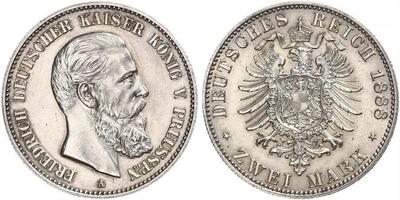
In later periods, symbols such as double-headed eagles represent dynastic heritage or union of various territories rather than solely territorial claims in modern political terms found elsewhere across Europe today. The use of specific colors and artistic styles reflects local craftsmanship traditions passed down through generations within guilds that employed artisans from neighboring regions to create designs fitting for domestic circulation.
For collectors
The enduring value of Serbian coinage lies in its ability to narrate the story of sovereignty, religious endurance, economic resilience. Whether seeking ancient silver pieces or well-preserved commemorative issues minted during peace times following major global conflicts completes a picture essential for numismatists focused on Eastern European history.
Condition sensitivity is paramount since historical circulation meant many items were used heavily before entering private hands today compared to western counterparts where preservation was standard. Grading must consider wear patterns consistent with usage in earlier eras rather than modern standards applied indiscriminately across borders without understanding local context during the period when these coins first entered commerce.
Possession of these artifacts connects you directly with centuries past, allowing appreciation not just for metal content but cultural expression embedded within them. For those who appreciate history and art alike as intertwined fields where economics serves to preserve national identity through objects held safely in glass cases or vaults worldwide today.