| Leopold III, Prince of Lippe | 链接到维基百科 |
Leopold III, Prince of Lippe (1821–1875): History and Coinage
Sovereign over a tiny but strategically significant principality for two decades, Leopold III navigated his realm through one of the most transformative periods in European history. His reign coincided with the collapse of the German Confederation following the Austro-Prussian War and the subsequent rise of the North German Confederation. As a modernizing ruler who issued edicts to grant equal status to Catholics, Lutherans, and Calvinists within his territory, Leopold represented a shifting political landscape where traditional aristocratic power was being redefined by broader imperial ambitions.
Navigating Sovereignty in Metal
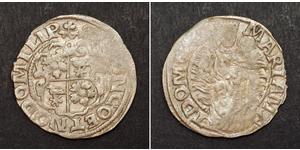
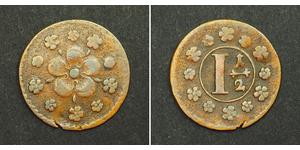
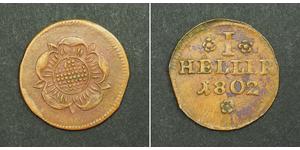
The coinage of the era offers a unique window into how this small state expressed its independence before becoming part of the German Empire. During Leopold's rule, Lippe retained specific rights to mint local currency that served both domestic trade and symbolized their continued autonomy against Prussian pressure.
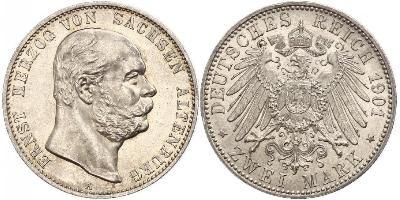
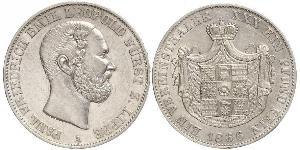
- Minting Context: While many principalities eventually adopted unified Imperial Mark coins during unification, portraits of reigning princes were often placed on smaller silver denominations like the thaler or half-thaler to denote local jurisdiction before 1876 and in transitional periods afterwards.
- Purpose of Imagery: These struck metals served as propaganda for Leopold's progressive religious reforms. By placing his portrait alongside symbols of stability, the coins communicated political unity during a time when Lippe was moving from regional independence to federal integration within Prussia.
The Curator's Perspective on Value
Historical Rarity:
Coin collectors are drawn to these issues because they represent a fleeting period of individual sovereign control before the homogenization that characterized late 19th-century Germany. Because Lippe was small, its minting output was modest compared to neighboring states like Hesse or Württemberg.
Narrative Importance:
These coins allow collectors to hold a tangible connection to the unification of modern Europe. Unlike generic Imperial issues from later decades, early Lippe coinage bears evidence of Leopold's own political agency and religious reforms in his design elements.
Mintmarks:
Educators encourage exploring these pieces for their artistic quality. The engravings reflect mid-century neoclassical trends common among German states, providing a standardized aesthetic that contrasts with the regional namesakes of the mint locations found on older pre-1806 issues.
By examining Leopold III's currency, enthusiasts do more than count metal; they trace the dissolution of old Europe and the birth of modern nation-states. These artifacts remain among the most interesting pieces for specialists in South German and Westphalian numismatics seeking examples where local identity was preserved within a growing imperial framework.