| John Frederick, Duke of Brunswick-Calenberg | 链接到维基百科 |
John Frederick, Duke of Brunswick-Calenberg (1625–1679): History and Coinage
The Historical Legacy of a Ruling Prince
John Frederick stands as a unique figure in the history of German nobility during the mid-seventeenth century. Born into an exclusively Protestant Welf dynasty, he made a historic conversion to Catholicism while holding power within Holy Roman Germany. His rule over Calenberg began in 1665 following his brother's inheritance elsewhere in the duchy.
Beyond religious distinction, John Frederick is best remembered for transforming Hanover into a cultural and architectural center of European significance. By commissioning Girolamo Sartorio to construct the Herrenhausen Palace gardens after visiting Versailles, he aligned northern Germany with southern artistic tastes. His patronage of Gottfried Wilhelm Leibniz in 1676 marked the beginning of an era where intellectual inquiry flourished under House Welf protection.
The Portrait on Currency
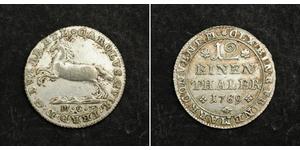
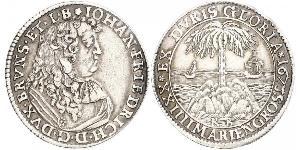
In the political landscape of the Holy Roman Empire, sovereign authority was often broadcast through coinage. As a Duke possessing minting rights within his territory, John Frederick participated in the tradition of issuing Thalers and regional currency that bore his likeness to signify legitimacy among merchants traveling between Hanover towns.
Coin issues during this period typically circulated within local markets but could influence broader economic trust if production quality matched international standards. While specific mintage records for Calenberg under John are less documented than later Electorate coins, his reign established the cultural foundation that allowed subsequent family members to produce widely recognized Hanoverian currency after ascending higher ranks.
The Numismatic Interest
Collectors often seek these pieces not merely as metal tokens but as historical documents from a transitional era where science and philosophy began reshaping European governance. Coins associated with John Frederick are valued for their connection to the early Enlightenment period, offering insight into how patronage influenced statecraft.
- Rarity: Many examples of local German currency survive only in small numbers due to frequent melting during times of war or economic crisis in the late seventeenth century.
In addition, these pieces provide a tangible link between the Duke's architectural achievements and his political authority. While prices fluctuate based on condition, an original Calenberg coin featuring this period represents an opportunity to own artifacts that touch upon Leibniz’s era.