| 查看 |
| 前身为 | |
| 维奥蒂亚 (1836 - 2011) |
| 后继为 |
| 维奥蒂亚 (1836 - 2011) | 链接到维基百科 |
维奥蒂亚:历史、货币与收藏价值
Welcome everyone。Today we will explore the ancient region of Boiotia (known in Greek as Βοιωτία). This territory, located north and east of Corinth Bay, represents a fascinating intersection of trade routes, cultural rivalry, and monetary evolution. As your curator, I invite you to step through history where clay pottery met silver metal.
历史背景
To understand the coinage of this region, we must first visualize its geography。The area lies between Attica Peninsula and Euboea Bay. It was a landbridge connecting southern lands with northern Greece. This location made Boiotia economically vital.
- The fertile soil supported agriculture,especially grain production
- Trade routes passed through Orchomenus pass linking Athens to the north
- Tanagra was a commercial hub in antiquity due to pottery exports and marble trade
Beyond commerce, cultural identity played an enormous role。Historically,this region often felt distinct from Athens. This is seen clearly through their unique language dialects before being unified into the Macedonian kingdom later.
货币与钱币发展史
In ancient times, Boeotian regions issued coins independently or under specific political hegemony。Early economic exchange relied on barter until silver mining made coinage viable around Archaic periods。
The transition from shell money to metal currency marked the rise of trade sophistication. The Tetradrachm became a standard unit for international commerce between Greek states.
- Metal Standard:A shift towards silver was driven by mining rights in local territories
- Purpose:Currency standardized tax collection across city-states like Thebes and Orchomenus
During the Classical Period, political power concentrated at places like Plataea affected how coins were minted. We see evidence of economic independence fluctuating with war.
造币厂与钱币生产
Mint locations in this region vary by historical period。While large cities had control over official currency,smaller towns produced local tokens for temple offerings or markets。
- Thebes:Famous as a political center controlling minting standards during Theban Hegemony
- Tanagra:Pottery manufacturing wealth sometimes funded coin production locally,though less than Athens
- Design Tradition:Sometimes simpler styles compared to Olympic standard silver pieces found elsewhere
Craftsmanship was key here. Coins were struck using die techniques that showed regional pride。Artistic motifs included local heroes.
代表性钱币
Let us examine a few important types collectors often find in museums and private cabinets today。
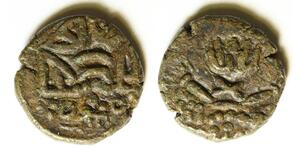
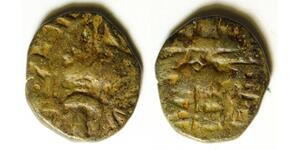
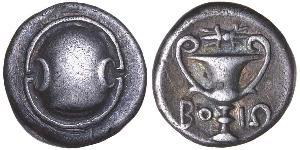
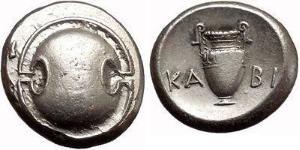
- Silver Tetradrachm of Thebes:A high value piece representing regional power with images of Hercules or local gods。It demonstrates military strength.
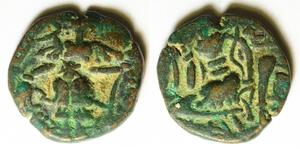
Copper Obol types used for small market transactions in villages like Orchomenus. These help daily life history reconstruction。
The iconography matters greatly to us today. Each design tells a story about who ruled and what they worshipped during ancient times.
文化遗产与历史影响
Coinage was not just economic;it carried political messages of unity or independence。When Athens dominated Greece, Boeotian coins often showed influence from Attic styles while keeping local symbols.
- Deity Symbolism:Demons like Hercules were popular,reflecting mythological ties to the region
- Civic Pride:Ancient citizens carried coins showing their city's identity during trade
This culture survives in archaeological records where artifacts found match coin finds。The economic power of agriculture drove these monetary systems.
收藏者指南
Why should modern collectors care about Boeotian numismatics?Because it bridges the gap between myth and reality。
- Rarity Factor:Circulated pieces are rarer than bullion coins found in hoards today. They carry provenance from historical sites.
- Narrative Value:Their designs tell stories of local heroes that survive in oral history
Scholarly Research:Pieces help confirm trade routes between southern Greece and northern territories during ancient times. They are portable historical evidence.
Cultivating knowledge about these artifacts deepens appreciation for the civilization of antiquity。