| Lucius Opimius | Link to Wikipedia |
Lucius Opimius: History and Coinage
**A Pivotal Roman Politician:** Lucius Opimius stands as a defining figure in the turbulent twilight of the late Roman Republic, holding the consulship during 121 BC. His career was marked by intense political strife involving Gaius Gracchus and subsequent violent purges within the capital itself. By using emergency decrees to authorize mass executions without trial, Opimius helped establish a legal precedent that would increasingly define Rome's future conflicts until civil war fully overtook constitutional practice. He later faced prosecution in 120 BC for his actions but was acquitted under controversial circumstances. Following a commission regarding Numidian territory where he suspected of bribery scandals involving Jugurtha, the consul eventually retired to exile at Dyrrhachium before dying there years after leaving office.
Relationship to Coinage
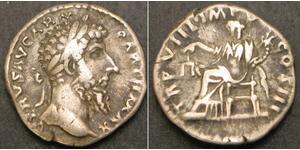
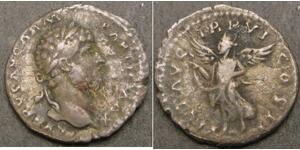
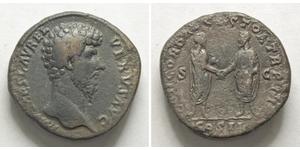
Understanding Opimius through numismatics requires looking beyond standard portrait expectations found in Imperial collections. While later Emperors adorned the empire with their likenesses, Republic consuls such as himself typically did not appear on currency images during antiquity due to strict minting protocols that favored deities over mortals.
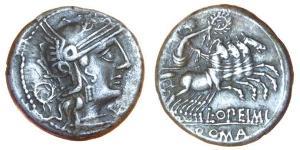
- This absence itself holds numismatic significance for scholars tracking how political power shifted from magistrate symbols to imperial portraits in later centuries. Provincial mints occasionally utilized inscriptions rather than faces, offering textual links to his name on bronze denarii associated with territories like Numidia where he served as a commissioner during the commission that divided territory between king and brother.
**Modern Commemorations:** While ancient specimens are virtually non-existent in terms of portrait types found today for this specific individual from the Roman Republic period, modern collectors seek out replicas or medals minted by numismatic houses commemorating Gracchan era figures. These items allow enthusiasts to explore the narrative gap where standard coinage failed to capture a specific historical personality.
Historical Value for Collectors
The primary attraction of collecting Opimius-related artifacts is their educational depth regarding early Roman political decay rather than monetary rarity or artistic merit found in common catalogues. These items teach advanced collectors how the Republic transitioned into violence and emergency rule, providing a tangible link to events described only in fragmented ancient texts like those by Plutarch.
- Associating specific coin findings with his era helps enthusiasts date other artifacts from 125 BC onward during political uprisings such as at Fregellae or Dyrrhachium. Understanding this context aids verification of historical records tied to these numismatic periods and helps collectors differentiate between Imperial propaganda versus Republican administrative issues.
Consequently, items featuring Opimius are prized for their narrative completeness in specialized collections that focus on Roman constitutional breakdowns rather than standard imperial issues found in common catalogs. For history enthusiasts seeking a deeper appreciation of the Republic's decline through metallurgy and historical context, studying his legacy remains both rare and historically valuable despite his lack of personal ancient portraits commonly seen alongside Emperor coins.