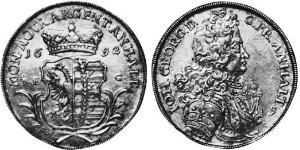
| John George II, Prince of Anhalt-Dessau (1627 – 1693) | Link to Wikipedia |
John George II, Príncipe de Anhalt-Dessau (1627–1693): Historia y Numismática
Juan Jorge II fue un gobernante clave en la región del Sacro Imperio Romano Germánico durante el apogeo de las tensiones europeas. Como miembro dinástico de Ascania, consolidó su poder sobre Anhalt-Dessau tras 1660 y se convirtió en una figura militar decisiva para los territorios bajo influencia prusiana antes que la unión unificada fuera plena. Su biografía ofrece a los lectores una ventana sobre cómo el poder territorial fragmentado operaba dentro de las grandes narrativas continentales, donde príncipes menores desempeñaban funciones estratégicas vitales como generales en campañas contra Francia y Suecia.
Cobertura en la Acuñación
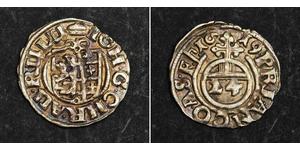
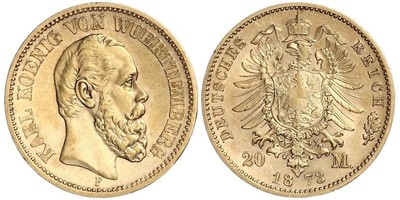
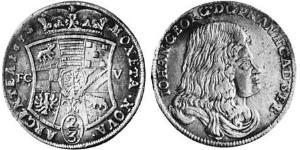
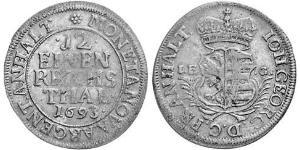
Durante su reinado, el Principado emitió moneda propia para sostener los gastos militares y administrativos de una pequeña entidad soberana. En un imperio políticamente fragmentado como este no existía una única monarquía global que dictara uniformidad monetaria; por tanto, cada príncipe debió acuñar fondos propios bajo su escudo heráldico o retrato para legitimar la autoridad fiscal local. Las emisiones ocurrieron principalmente durante sus años de gobierno activo (1660–1693), aunque algunas posturas póstumas pudieron aparecer si se necesitaran refuerzos monetarios tras 1693.
Atractivo para el Coleccionista
Las monedas que representaron a este personaje resultan valiosas por razones históricas y no únicamente numéricas. Cada pieza es un fragmento del comercio regional de los siglos XVII en Alemania, donde la circulación monetaria local coexistía con denominaciones imperiales estándar como el Reichsthaler. Los coleccionistas valoran estas piezas porque ilustran directamente las relaciones políticas entre Dinastías menores y potencias mayores, reflejando la influencia prusiana que eventualmente dominaría Europa central bajo Federico Guillermo I.
Sugestiones de Colección
- Buscue piezas con el escudo familiar y leyendas en latín para identificar sus territorios administrativos.
- Precise detalles sobre la acuñación local vs moneda imperial al comparar patrones circulares en metal o plata.
Cualquier ejemplar que sobreviva hoy representa una reliquia material del periodo anterior a las grandes reformas bismarckianas, conectando el coleccionista moderno con los días de la Guerra Fría y el ascenso prusiano. Explorar estas monedas permite entender cómo un príncipe como Juan Jorge logró mantener relevancia en un imperio vasto mediante control monetario propio.