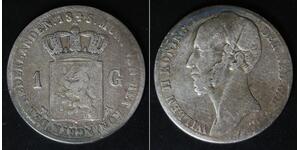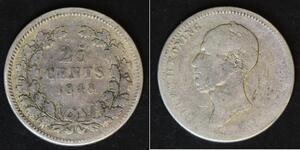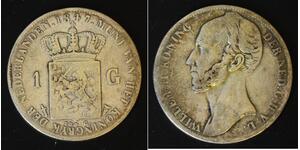
| William II of the Netherlands (1792 - 1849) | Link to Wikipedia |
William II of the Netherlands (1792–1849): History and Coinage
In the pantheon of European monarchs, William II occupies a unique position as both a celebrated military figure at Waterloo and a reluctant architect of modern governance. Born in The Hague to Prince William I of Orange-Nassau, he was destined for royalty but found himself navigating complex political waters during his brief reign between 1840 and 1849. His historical significance lies not only in his participation in decisive European conflicts but also in his pivotal role as a constitutional innovator who adapted the Dutch monarchy to changing democratic tides.
The young Prince served with distinction in the British Army during the Peninsular War before reclaiming command of Allied forces at Waterloo. While he earned local affection, his true legacy transformed within the Netherlands through internal reform rather than external conquest. His accession marked a critical transition from absolute sovereignty to parliamentary rule. Consequently, numismatics enthusiasts see him on currency not merely as a portrait subject, but as a symbol of state continuity during an era where political stability relied heavily upon constitutional adjustments.
The Relationship Between the Monarch and Coinage
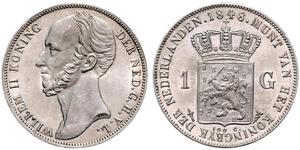
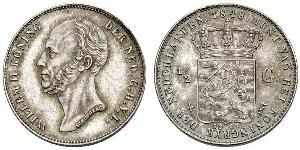
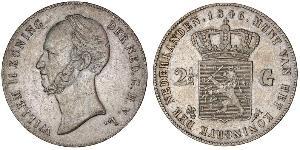
Coins featuring William II were issued primarily under his authority after 1840 following the abdication of his father. His name appeared on Dutch monetary denominations representing silver florins, guilders, and other circulating currency standard for the time.
- Sovereign Authority: The portrait served to legitimize royal power during a period where democratic agitation threatened the existing order.
- Circulation Context: While he was King of the Netherlands, his rule also extended nominally over Luxembourg and Limburg, though Dutch coinage is most common among general collectors seeking European sovereign pieces from this transitional epoch in 19th-century history.
The coins were produced during his lifetime to facilitate commerce following major political shifts. These items provide a tangible link between the royal family's changing image and the establishment of constitutional monarchy, contrasting earlier absolute rule imagery with new requirements for representative governance.
Why Collectors Value William II Coins
The appeal of collecting coins from this monarch extends beyond mere monetary value; they represent historical artifacts. For collectors interested in numismatic history, these pieces offer a glimpse into the era where European coinage design began shifting to reflect modern democratic values.
- Rarity and Short Reign: His reign spanned less than nine years, limiting the window for mint production compared to predecessors or successors like William III. This results in lower volume issues which are naturally scarce relative to longer-reigning dynasts.
- Educational Value: Examining coins from 1840-1850 allows collectors and students alike to study the evolution of state iconography during major constitutional reforms in the Netherlands.
- Numerical Context: Because he was a key player at Waterloo, his image adds prestige for collections focused on military history or Napoleonic aftermath artifacts. The connection between a victorious hero and everyday currency is often sought after by beginners entering the hobby of European numismatics.
Exploring these specimens offers more than financial potential; it illuminates the complex relationship between monarchy, reform, and public trust in early 19th-century Europe. Collectors who appreciate this narrative can find unique pieces that tell a story distinct from standard historical textbooks about royal courts.