| William IV (1765-1837) | Link to Wikipedia |
William IV (1765–1837): History and Coinage
Welcome to an exploration of King William Henry, affectionately known as the "Sailor King." While his reign marks a significant bridge in British history, numismatists find unique value in examining why he appeared on currency during this transformative era. This article guides you through his historical significance and explains the specific contexts that make coins bearing his likeness distinct artifacts.
A Life of Maritime Duty
Born at Buckingham House as a third son, William was not initially expected to inherit the crown due to having two elder brothers with legitimate heirs. His path changed only when tragedy removed George III's successors in 1830 without issue. At sixty-four years old, he ascended to become King of Hanover and United Kingdom during a time of great legislative change.
Historical records highlight his unique position as the only member of the royal family to visit America during the American Revolution, witnessing geopolitical tensions firsthand in New York. Later known for his naval service after 1793, he commanded vessels like HMS Pegasus and maintained friendships with commanders such as Horatio Nelson. Despite initial hesitancy toward parliamentary reforms or abolitionism early in his career—arguing slavery was better than conditions in the Highlands—he eventually supported ending the institution.
His tenure saw major updates to poor laws, restrictions on child labor, and the passing of the Reform Act 1832. Notably, he served as Lord High Admiral before becoming king, a dual role that shaped public perception. His decision-making process was often viewed with skepticism due to his age at accession and limited engagement in political strategy compared to George IV or William III.
The Numismatic Connection
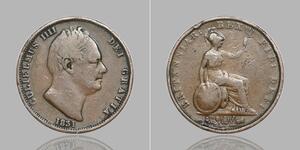
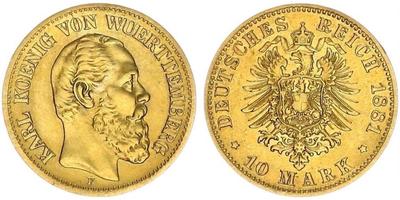
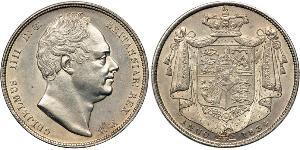
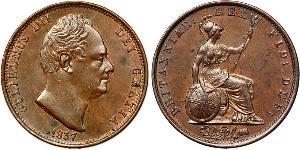
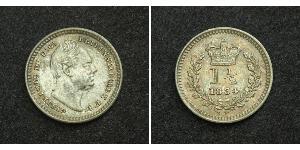
Coinage during his brief reign continued established patterns set by predecessors but reflected the peace following the Napoleonic Wars. Gold sovereigns minted under William featured a portrait that transitioned from the more elaborate depictions of previous monarchies to simpler profiles, signaling an economy focusing on stability over ornamentation.
Rarity and Historical Interest
Collectors seek coins depicting this individual primarily for their rarity as his reign was short-lived. The historical value lies in understanding the transition period where constitutional monarchy evolved into modern representation. While artistic quality varied, pieces often link to naval heritage, making them prized among enthusiasts who study British maritime history through monetary artifacts rather than just portraits.