| Albert of Saxony | Link to Wikipedia |
Albert of Saxony (1828–1902): History and Coinage
In the complex tapestry of European royalty during the 19th century, few figures were as synonymous with the unification movements that defined modern Germany. Albert of Saxony stands out not merely as a sovereign ruler but as a pivotal leader within the Wettin dynasty who presided over critical political transitions. His reign coincides with one of Europe's most transformative periods, witnessing the shift from independent states toward a unified German Empire and its eventual dissolution in World War I.
While his personal life was defined by dynastic marriage alliances and administrative duties common to monarchs of his era, it is his legacy on currency that persists through museum collections today. The Kingdom of Saxony needed coinage that reflected both traditional royal authority and modern political unity. Consequently, Albert became the face of a changing Germany.
Relationship to Coinage
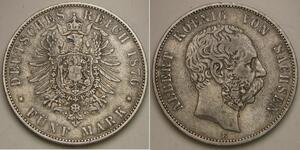
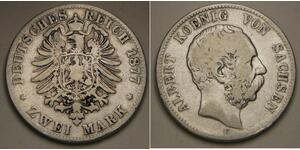
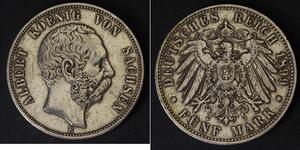
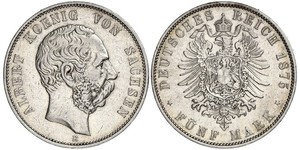
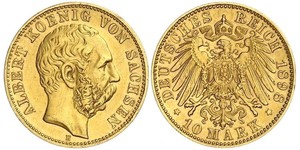
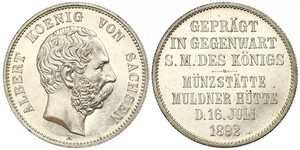
Coin issuances bearing the name or likeness of this monarch were produced by the Royal Mint at Dresden during his lifetime and for several years thereafter due to state continuity issues typical in post-war European governance. These coins served as tangible symbols of stability amidst nationalistic fervor.
The portrait placed on silver florins and smaller denominations was intended to project legitimacy among citizens navigating a shifting political landscape. Unlike earlier medieval coinage which relied heavily on heraldic lions or regional emblems, Albert's era introduced more standardized busts consistent with the German Empire standards emerging from 1871.
Holders of these coins often find that they possess examples struck at various mints across Saxony and other territories within the empire. This geographical spread adds historical context to their value; a coin minted in Dresden represents different administrative authority than those issued after annexation or political reorganization following his death, which occurred during a period of significant European realignment.
Why Collectors Value These Coins
The primary attraction for modern collectors lies in the rarity associated with early issues minted immediately prior to and following major continental shifts. Each coin tells the story of how Saxony transitioned from an independent kingdom into a unified constituent part before reverting or changing status later.
Artistic merit also drives collector interest, as skilled die engravers were tasked with creating likenesses that could be reproduced clearly on metal across various denominations without degrading image quality too rapidly. This technical challenge often results in superior artistic details compared to mass-produced imperial issues of the same era.
- The historical significance is high, linking individual holders directly to a dynasty that shaped modern German borders.
- The connection provides insight into numismatic practices where mint marks and dates indicate specific years of political consolidation or conflict.
- Avoiding common errors found in standard mass issues adds further interest for specialists focusing on pre-WWI European currency history.
For the enthusiast, acquiring a piece from this period means holding evidence of how monetary systems adapted to serve new nation-states, preserving a vital link between economic power and historical identity.