

| Miklós Zrínyi | Link to Wikipedia |
Miklós Zrínyi (1620-1664): History and Coinage
Nikola VII, known in Hungarian as Miklós Zrínyi, was a celebrated Croatian and Hungarian military leader born on 5 January 1620. As the commander-in-chief of Hungarian forces during the mid-seventeenth century, he is best remembered for his relentless defense against Ottoman incursions and his literary contributions, specifically authoring The Peril of Sziget. His legacy remains one of courage and cultural synthesis across a politically fragmented region.
The Connection to Coinage
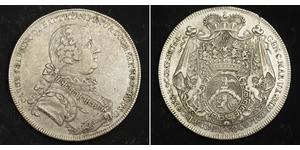
Nuismatics enthusiasts often look for the imperial portraits on their sovereigns; however, Zrínyi presents an interesting historical anomaly during his lifetime. In the Holy Roman Empire structure of the time, coinage typically featured reigning emperors or religious figures rather than high nobles who were not monarchs himself. Nevertheless, specific commemorative medals issued by Pope Alexander VII feature the effigy of Zrínyi as a field marshal to honor his valor after he successfully relieved Kanizsa and destroyed strategic bridges against enemy forces.
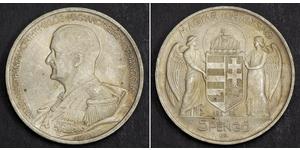
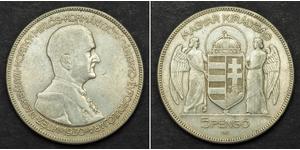
Prioritizing his defense roles over standard currency issuance meant that collecting pieces from this era requires looking beyond everyday circulation. Many coins or medals found today depict him through modern commemorative issues rather than contemporary sovereign minting. These later editions serve to honor the specific historical context in which he served, linking numismatics directly with regional history.
Why Collectors Value Zrínyi
Coin collectors and museum visitors alike find value in these pieces due to their educational merit regarding central European conflicts. A medal bearing his name provides a tangible connection to the Thirty Years' War and subsequent Ottoman campaigns, which are pivotal topics for those studying this period of history.
- Rarity: Original papal medals or contemporary items related to Zrínyi were not mass-produced like standard currency, often making them scarce in private collections.
- Educational Significance: Studying these artifacts helps beginners understand the role of non-reigning nobles and military leaders within imperial political structures before becoming peers at courts across Europe.
The enduring interest in Zrínyi also stems from his posthumous reputation. His death by a wild boar during hunting sparked rumors regarding court intrigue, adding mystery to the historical record preserved on these artifacts. For those interested in numismatics as a bridge between art and history, examining pieces associated with Miklós offers insight into how memory was solidified through official medals long after his passing.


