| Louis XV of France(1710-1774) | Link to Wikipedia |
Louis XV (1710-1774): History and Coinage
Brief Overview of the Monarch
Louis XV of France ascended to the throne as an infant following a succession crisis caused by the deaths of his grandmother, parents, and great-grandfather. Born in 1710 at Versailles, he was crowned shortly after his own grandfather Louis XIV passed away in 1715. His early reign involved complex political maneuvering during the regency under Philippe II, Duke of Orléans, before Cardinal Fleury's administration stabilized the kingdom for nearly two decades. By 1723, at age thirteen, he assumed full control after his guardianship period ended. This fifty-nine-year reign marked a significant shift in French history; while initially popular as Louis the Beloved, it eventually concluded with financial exhaustion and political instability that paved the way for revolution.
The Numismatic Legacy
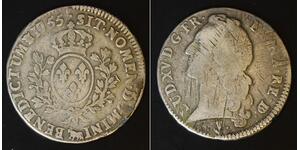
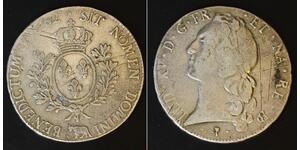
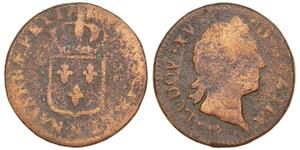
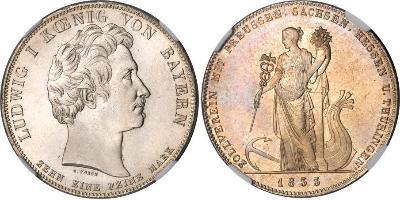
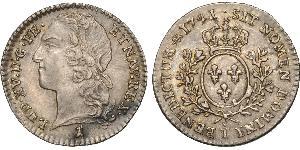
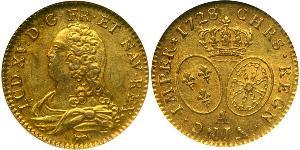
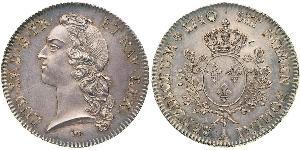
Coins issued during his lifetime were symbols of absolute monarchy authority. The Royal Mint produced gold pieces like the Écu d'or and silver denominations across Europe, often depicting the king in profile with royal iconography such as a sceptre or crown. Following victories at battles like Fontenoy, these coinages emphasized imperial glory before economic hardship forced debasement of currency toward the end of his rule due to war expenses involving Great Britain and territorial cessions. Additionally, colonial territories minted coins for trade posthumously during this era, preserving his likeness far from metropolitan centers.
Collection Appeal
- Rarity: High-grade examples are scarce due to survival rates of the copper and silver change used in daily commerce rather than high denominations today.
- Historical Weight: These pieces connect directly to pre-revolutionary French economics, helping collectors visualize how royal debt influenced currency design and production quality.
- Educational Value: For the enthusiast interested in history but not expert grading, these coins offer a tactile connection to major events like the Seven Years' War without requiring specialized knowledge of all technical minting terms.
In summary, exploring Louis XV coinage allows one to observe the transition from stable Ancien Régime administration into an era of fiscal collapse. It represents not just gold and silver but a snapshot of power that ultimately faced its own demise in late 18th century Europe.