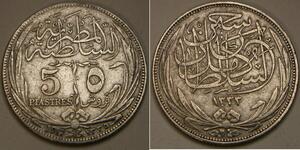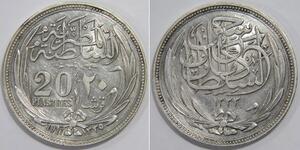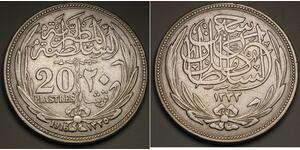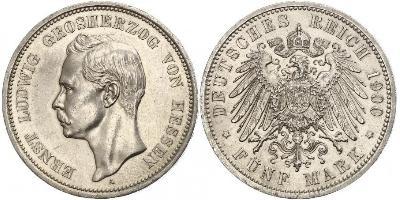
| Hussein Kamel of Egypt (1853 - 1917) | Посилання на Вікіпедію |
Hussein Kamel (1853–1917): History and Coinage
The trajectory of modern Egypt during the early twentieth century was heavily influenced by geopolitical shifts between empires and nascent national movements. Hussein Kamel stands as a central figure in this transition, serving briefly but symbolically from 19 December 1914 to October 1917.
Historical Biography
Kamel was the second son of Khedive Ismail Pasha and entered the throne room following British intervention that deposed his nephew. His coronation aimed to re-establish a dynastic title lost since Sultan Tuman II in 1517, though it functioned under direct protectorate conditions where military power rested with foreign officials.
The political climate of this era was volatile; Kamel faced assassination attempts that highlighted the dangers surrounding his reign. His death occurred shortly after these turbulent years ended the Khedivate and established a new Sultanate structure. When he passed, succession moved to Fuad I following a temporary refusal by their son.
Coinage Context
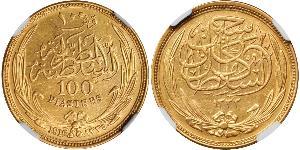
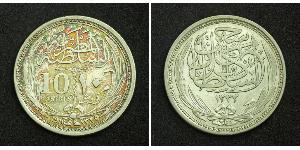
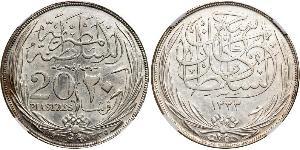
Negative of coins bearing Hussein Kamel's likeness typically circulated during his brief reign or immediately afterward as posthumous issues commemorating the new sultanate. The portrait was placed on currency to validate this title shift, marking a break from Ottoman administration while accepting British oversight.
The Collector’s Perspective
Collectors value these pieces for their rarity resulting from his short tenure compared to longer reigns of successors like Fuad I or Farouk. The historical importance lies in how they document the shift toward national identity under colonial protection, providing tangible evidence of statecraft where currency design reflected political ambition.
Rarity and Appeal
Beyond simple scarcity, these coins offer an educational window into the artistic styles merging traditional Islamic iconography with British mint standards. Enthusiasts explore them to understand how economic instruments became vehicles for asserting sovereignty within a protectorate framework.