| Alfonso XIII of Spain (1886 - 1941) | Link to Wikipedia |
Alfonso XIII of Spain (1886–1941): History and Coinage
A Sovereign at Birth and a Symbol of Unity
The reign of Alfonso XIII marked one of the most complex chapters in Spanish constitutional history. Born into the lineal succession as King upon his father's death, he ruled from infancy through significant global shifts, including World War I and the collapse of Spain’s colonial empire. His childhood was defined by a military education that shaped public perception, casting him not merely as a ruler but as an active soldier-king in times of national regeneration. While European monarchs often played ceremonial roles during this period, Alfonso navigated the delicate politics between pro-German and pro-Entente factions with neutrality. This stance required immense diplomatic finesse to maintain stability before his eventual departure for France following municipal elections understood by the nation as a plebiscite on democracy versus monarchy.
The transition from absolute power in his name toward republican governance was not without turbulence, particularly during the brief dictatorship of Primo de Rivera and its aftermath. Despite attempts at authoritarian solutions that sought to preserve the crown's prestige, public sentiment shifted irrevocably by 1930. His flight removed him physically but left a lasting numismatic legacy. The image he cultivated as a military leader became etched into the national consciousness through state-issued metal currency during his active rule.
The Royal Image on National Currency
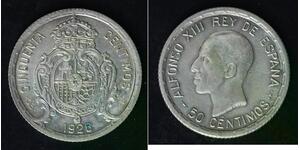
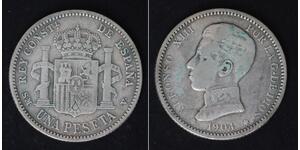
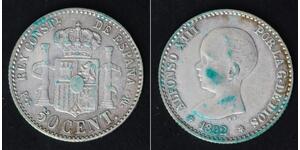
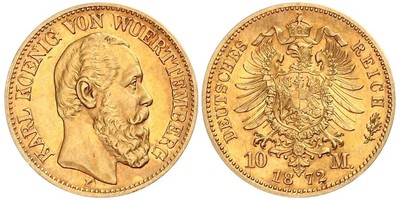
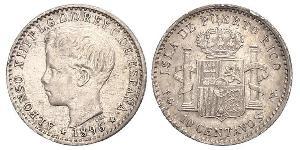
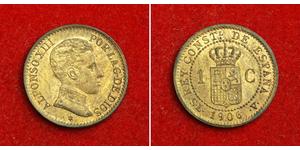
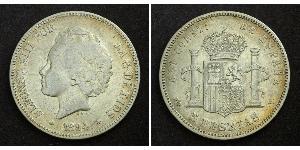
Coinage bearing Alfonso’s portrait was issued by Spain primarily between 1906 and 1930, coinciding with periods of constitutional restoration under the Bourbon monarchy. His likeness appeared alongside national heraldry to project an image of continuity following the loss of Cuba and Puerto Rico in the Spanish-American War. The designs often reflected his military education through specific poses or uniforms on commemorative denominations, reinforcing the narrative that he was a protector rather than just a figurehead.
The shift from constitutional monarchy led directly to numismatic discontinuity after 1930. While legal tender ceased production bearing his profile once the Republic declared itself official in April 1931, earlier pieces remained highly relevant for future collectors seeking pre-republican Spanish identity. Posthumous issues remain rare and are generally avoided by serious historians of currency who focus on original mintages that defined an era.
The Collector’s Appeal
- Rarity: Pieces dated near the political transition command attention for their scarcity relative to later Republican issues.
- Historical Weight: Holding a coin from his reign connects one directly with Spain during its final imperial moment before democracy took hold.
- Military Motif: Enthusiasts appreciate how numismatic art reflected the King's personal image as a soldier-leader rather than just political office holder.
Coin collectors seeking to understand this period should prioritize original strikes from before 1930. These pieces offer insight into an era of social milieus projecting expectations onto their monarch, providing tangible evidence of Spain's complex identity in the early twentieth century.