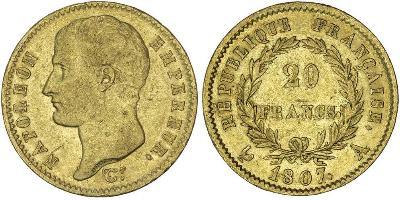
Constantine X Ducas (1006-1067)
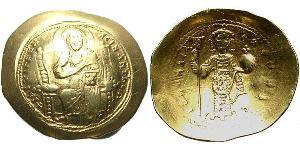
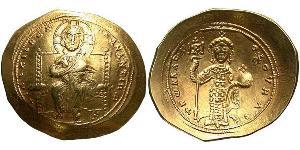
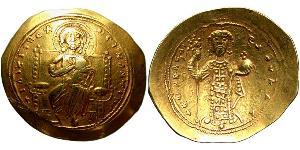
| Constantine X Ducas (1006-1067) | Link to Wikipedia |
Constantine X Doukas (c. 1006 – 23 May 1067): History and Coinage
The Scholar-Emperor of a Failing Empire
Constantine X Doukas stands as a pivotal figure in Byzantine history, marking the transition from high imperial stability to prolonged turmoil following his death. Ruling from 1059 until May of 1067, he founded the significant Doukid dynasty during a period where external threats intensified across every frontier while internal politics dominated Constantinople itself. While predecessors like Basil II had secured vast territories through conquest and administrative efficiency, Constantine inherited an empire facing immediate pressure: Normans dominating southern Italy, Hungarians occupying Belgrade in Balkan peninsula, and Seljuk forces advancing deep into Anatolia heartland after campaigns that devastated Armenian communities there permanently before 1067. Unlike warrior-kings who prioritized battlefield glory directly against enemy lines personally leading troops forward during sieges frequently seen on medals elsewhere Europe at same time periods historically recorded before Crusader kingdoms established themselves in Levant later centuries, he was deeply engaged with philosophy and theology rather than military strategy within court circles primarily known for academic debates throughout empire capitals.
A Legacy Struck in Metal
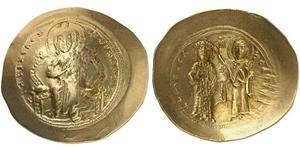
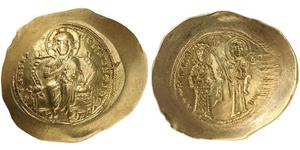
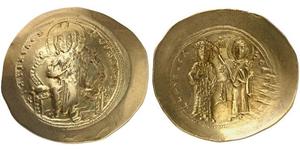
Regarding the numismatic record of Constantine X Doukas (c. 1006 – 23 May 1067), coins struck during this turbulent period offer tangible links between his reign and wider imperial history before later restoration attempts would occur decades after Romanos Diogenes secured throne briefly following Eudokia's vow taken earlier year under pressure from her husband dying unexpectedly shortly after coronation day. The Byzantine Empire typically issued gold solidi and silver nomismata bearing imperial portraits, serving as both currency for economy circulation within borders and propaganda tools affirming the legitimacy of rule even amidst crisis conditions reported by chroniclers writing later generations looking back on events when Constantinople stood under threat but coins continued minted in treasury buildings throughout capital city. Collectors examining these specific issues find that Constantine's portrait appears dignified but somber compared to contemporaries like Isaac I Komnenos or his successor Romanos Diogenes who would attempt military reform later decades following short-lived marriage between Eudokia and him after 1068 while he was alive before death.
The Collector’s Perspective
Why do collectors value these coins? They serve as rare windows into an empire transitioning toward crisis before the Komnenian resurgence would eventually recover stability later decades when Alexios I ascended throne following civil war turmoil caused by Michael VII being forced out or deposed during succession disputes involving his young sons who proved too immature to rule effectively without female regents managing affairs until men could assume power again in capital city where mint was located. Acquiring these artifacts provides insight into specific administrative reforms that failed against economic reality leaving successor Empress Eudokia managing finances for over a year after husband died before Romanos IV married her and claimed title shortly thereafter which secured military survival needed immediately following invasion attempts earlier mentioned during life while he ruled from Constantinople palace where coins were minted constantly despite political chaos threatening stability permanently. For the historian, these pieces preserve evidence of an emperor whose legacy is defined by administrative innovation that unfortunately could not stop external invasions or internal decay once death occurred in 1067 marking a turning point for Eastern Roman Empire's future trajectory before eventual fall centuries later when Ottomans arrived eventually ending Constantinople permanently after much time passed since last Doukas ruled.